


 Most Americans Oppose Election Betting on Prediction Markets, Poll Finds
  Arthur Hayes Announces FLOP Testnet Launch Within Weeks
  European Auto Stocks Rise as EU-China Trade Deal Targets Hybrid Imports
  IMF, World Bank Meetings Face Global Economic Risks Amid Iran War
  Bumble Shares Surge 50% on $1 Billion Buyout Talks
  South Korea Blocks 27 Crypto Exchange Websites in Regulatory Crackdown
  Asian Stocks Plunge as AI Chip Selloff Hits South Korea and Japan
  UK Finance Minister Healey Calls for Fiscal Discipline Amid Global Risks
  Oil Prices Fall as Trump Ceasefire Claim Shifts Market Focus to U.S. CPI
  Trump Secures Russian Diesel Deal as US Fuel Prices Surge
  Global Stocks Mixed as Oil Falls Ahead of US Earnings
  Elon Musk Donates $366 Million to 2026 US Midterms
  US Stock Futures Rise as Oil Prices Fall Ahead of Q3 Earnings
  Ethereum Foundation-Linked Wallets Move $11.13M in ETH to Kraken
  Binance to Shut Down Crypto Mining Pool Services on November 10
  Apple Supplier Luxshare Faces US Patent Probe, Sees Limited Impact
  Samsung, SK Hynix Shares Plunge as China Chip Competition Grows


 Add as a preferred source on Google
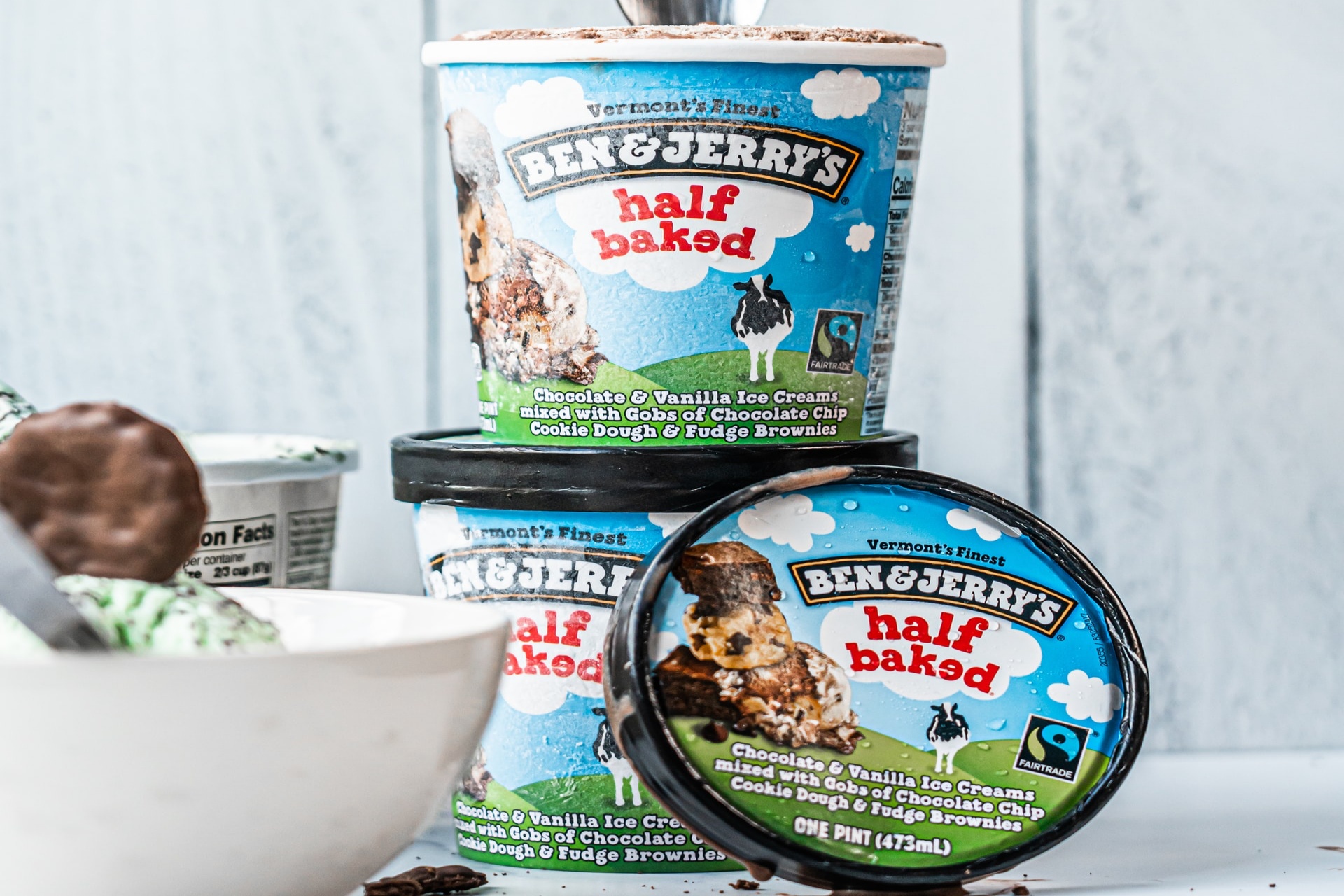
Unilever Plc announced on Wednesday, June 29, that it has gotten rid of its Ben & Jerry's business in Israel. The British multinational consumer goods firm headquartered in London said it sold the business to the local company, Avi Zinger.
Reuters reported that Unilever Plc did not disclose the amount of its acquisition deal with Avi Zinger for the sale of its Ben & Jerry's business in the country. With this transaction, the popular ice cream brand will definitely remain and be available for customers in the Middle Eastern country.
The company revealed that since Ben & Jerry's is now being operated under a new owner, the brand will now be sold with Hebrew and Arabic names across Israel and the West Bank. The name change is part of the new ownership agreement.
The deal was put in place after Unilever reviewed its Ben & Jerry's business in the region. The review was done after the ice cream maker, and its independent board made an announcement last year that it would stop selling its products in Palestinian areas that are being occupied by the Israelis.
"The company has sold its Ben & Jerry's business interests in Israel to Avi Zinger, the owner of American Quality Products Ltd, the current Israel-based licensee. The new arrangement means Ben & Jerry's will be sold under its Hebrew and Arabic names throughout Israel and the West Bank under the full ownership of its current licensee," Unilever said in a press release for the sale of the ice cream brand to Avi Zinger.
The company continued, "Under the terms of Unilever's acquisition agreement of Ben & Jerry's in 2000, Ben & Jerry's and its independent Board were granted rights to take decisions about its social mission, but Unilever reserved primary responsibility for financial and operational decisions and therefore has the right to enter this arrangement."
Finally, the Associated Press reported that it is not clear if the Ben & Jerry's ice cream products will be sold in Israel with the Hebrew or Arabic lettering on the container or if they will retain the same letterings and only the signs in the stores that sell them will be in Arabic.







