Venezuela’s Interim President Delcy Rodriguez on Thursday strongly defended her government’s response to the devastating earthquakes that struck the country’s northern coast, rejecting accusations that officials reacted too slowly to the disaster that has claimed more than 2,500 lives.
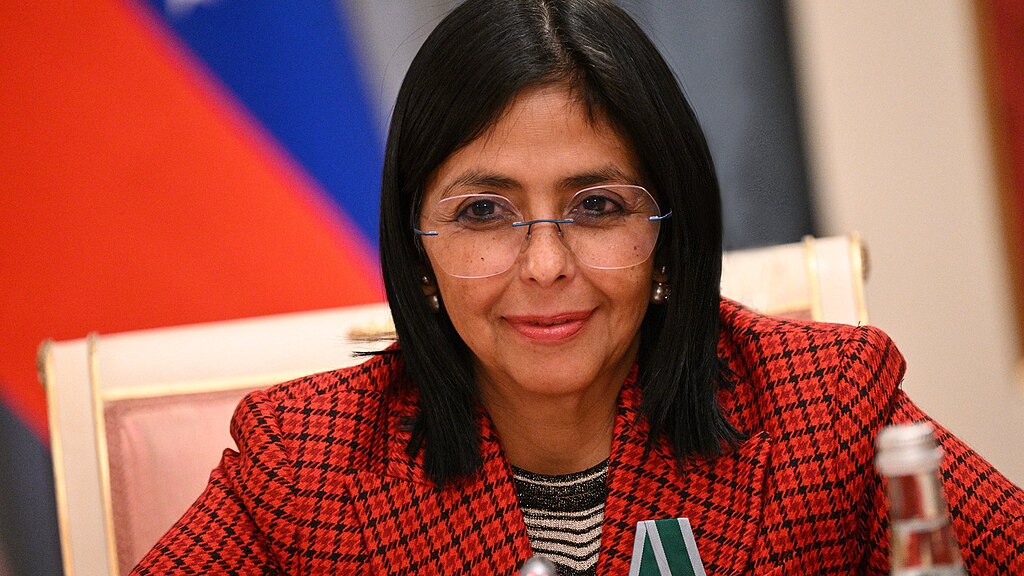
Speaking at her first press conference since assuming office in January following the U.S.-backed removal of former President Nicolas Maduro, Rodriguez said the government activated emergency measures within hours of the twin earthquakes. The powerful 7.2- and 7.5-magnitude tremors struck less than a minute apart last Wednesday, causing widespread destruction across the coastal region.
Calling the earthquakes an unprecedented natural disaster, Rodriguez said authorities immediately issued an emergency decree to launch civil protection operations and disaster response protocols. She dismissed claims that the government delayed its actions, insisting officials responded without hesitation.
Rodriguez confirmed the death toll had risen to 2,595 and said search-and-rescue operations remain underway as emergency teams continue looking for survivors beneath collapsed buildings. "We can still find people alive," she told a gathering of international journalists, emphasizing that rescue efforts have not ended.
She also revealed that nearly all regional government officials in La Guaira, the state hardest hit by the disaster, were killed when government buildings collapsed during the earthquakes.
While the government has not released an official figure for those still missing, an unofficial online registry widely used by families and volunteers showed approximately 38,500 people remained unaccounted for on Thursday evening. The list had previously reached nearly 60,000 names in the immediate aftermath of the disaster.
State media has frequently shown Rodriguez meeting with military and security leaders, while soldiers and police continue patrolling major roads in La Guaira and assisting with traffic control. However, much of the rescue operation has been carried out by civilian volunteers, firefighters, emergency personnel, international rescue teams, medical students, healthcare workers, teachers, veterinarians, and local residents.
Many survivors have spent days digging through rubble using shovels, pickaxes, and even their bare hands in desperate attempts to locate trapped relatives. Soldiers working alongside civilians at several collapsed public housing towers told Reuters they volunteered to assist with rescue operations.
Despite the ongoing efforts, rescuers have repeatedly highlighted a shortage of heavy machinery needed to remove massive concrete slabs, warning that limited equipment continues to slow search-and-rescue operations as hopes of finding additional survivors begin to fade.