Vietnamese Prime Minister Pham Minh Chinh announced that the government is setting an ambitious target of 10% GDP growth for 2026, highlighting the country’s strong economic resilience despite global challenges. Speaking at the opening of the latest parliamentary session, Chinh emphasized that Vietnam’s economy continues to perform among the fastest-growing in the world, driven by robust exports, investments, and industrial expansion.
According to the Prime Minister, Vietnam’s economic growth in 2025 is projected to remain above 8%, aligning with the government’s strategy to sustain high growth momentum. For 2024, the economy expanded by an impressive 7.85% in the first nine months, signaling steady recovery and strong domestic demand. However, global financial institutions have provided slightly lower forecasts — the World Bank projects 6.6% growth, while the International Monetary Fund (IMF) estimates 6.5%.
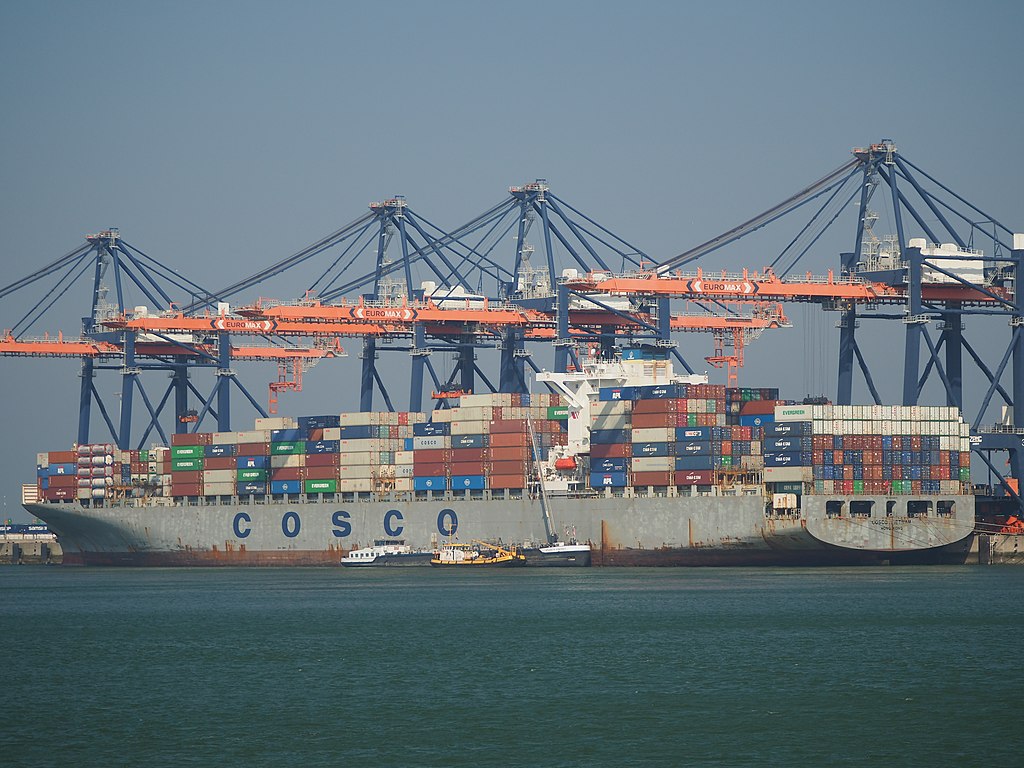
Chinh reiterated that Vietnam’s economic foundation remains solid despite external shocks, such as slowing global trade and inflationary pressures. He noted that the country’s total goods trade is expected to hit $900 billion in 2025, underscoring Vietnam’s growing role in global supply chains. This comes even as a 20% U.S. tariff has impacted key export sectors like footwear and textiles.
To counter external risks and enhance trade resilience, the Prime Minister revealed plans to sign new free trade agreements in 2025 with countries across the Middle East, Latin America, and Africa. These partnerships aim to diversify Vietnam’s export markets and strengthen international cooperation.
Additionally, Vietnam plans to launch major infrastructure projects next year, including the multi-billion-dollar North-South high-speed railway and satellite internet services, reflecting the country’s commitment to technological advancement and sustainable growth.