


 Nvidia’s China AI Chip Market Share Falls to 34% as Huawei Gains Ground
  Albertsons Seeks $9.3 Billion From Kroger Over Failed Merger
  Moonshot AI Executives Seek Settlement Ahead of Hong Kong IPO
  Arthur Hayes Announces FLOP Testnet Launch Within Weeks
  Russia Approves Sberbank for Crypto Exchange Services
  Samsung, SK Hynix Shares Fall as China's CXMT Advances DRAM Technology
  Visa Wins China Approval to Prepare Domestic Payments Expansion
  Binance to Shut Down Crypto Mining Pool Services on November 10
  Hong Kong’s Second Solana ETF Launches With Lower Fees
  Meta Launches Muse Wonder AI Models, Shares Rise 3.7%
  Morgan Stanley Predicts $10 Trillion RWA Market by 2030
  Bumble Shares Surge 50% on $1 Billion Buyout Talks
  Orsted to Take Full Ownership of UK Offshore Wind Farm for £15 Million
  Elon Musk Donates $366 Million to 2026 US Midterms
  Syndax Stock Drops 15% After Axatilimab Trial Failure
  Apple Supplier Luxshare Faces US Patent Probe, Sees Limited Impact


 Add as a preferred source on Google
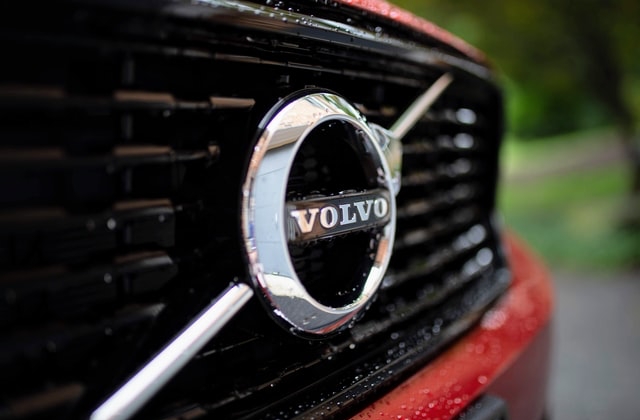
Volvo is the latest car manufacturer that announced its intent to go all-electric. Earlier this week, the Swedish automaker revealed that by the end of the decade, consumers would only see electric cars from the company’s model lineup.
Volvo also said that people who would like to get one of their electric cars would only be able to buy one online. It means that it will be getting rid of physical sales sites as it shifts to an e-commerce format of selling.
Volvo is transitioning to an EV-maker
The company made the announcement about its shift to building and selling vehicles that will no longer operate with fossil fuels. It said that by 2030, all of its cars will be fully electric.
The decision was said to have been made because of the pressures to address climate change now. Also, electric cars are becoming the latest trend, and the car industry itself is transforming as everyone would like to contribute to tackling the climate crisis.
As per CNN Business, Volvo shared that as part of its transition process, it is aiming to have half its total sales in 2025 to come from selling electric cars and the other half from hybrid model units. With the given date, it is clear that the carmaker will stop the sale of gasoline-powered vehicles in just four years from today.
To attain its target to go all-electric in nine years, Volvo is releasing its fully electric car called the C40 Recharge, which is a follow-up to its XC40 Recharge. This second pure electric car from Volvo is slightly shorter than its first EV but built on the same modular platform.
The C40 Recharge has all the features and benefits from an SUV, but this has a sleeker design. After this model is put out in the market, Volvo will be rolling out more EVs until it hits the target of going all-electric by 2030. This newest model is said to go into production in the fall and will be made at the company’s factory in Belgium.
Volvo’s plans for the future
Volvo laid out its plans for the future, where it will solely focus on electric cars. The company will be investing a lot in its electric transformation and online selling dream.
"There is no long-term future for cars with an internal combustion engine," Volvo’s CFO Henrik Green said in a press release. "We are firmly committed to becoming an electric-only car maker and the transition should happen by 2030. It will allow us to meet the expectations of our customers and be a part of the solution when it comes to fighting climate change."







