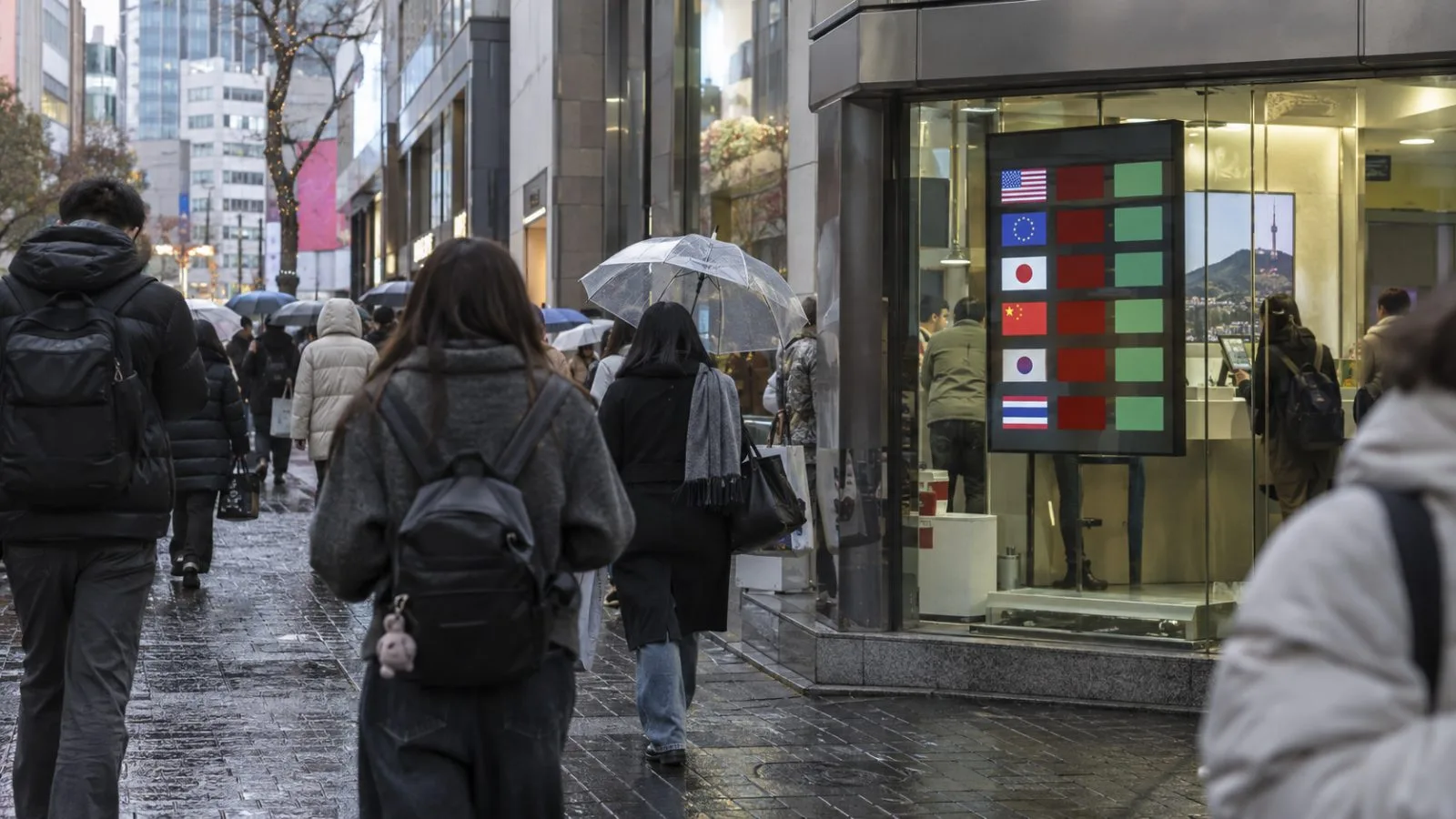
The U.S. dollar edged higher Wednesday as traders awaited President Donald Trump’s anticipated tariff announcement, which could significantly impact global trade and currency markets. The dollar index rose to 104.25, trimming some losses after a 3.1% drop in March—its worst monthly performance since November 2022.
The euro held at $1.0792, and the British pound steadied at $1.2924. The Japanese yen slipped slightly, with the dollar gaining 0.15% to 149.85. Meanwhile, the Australian and New Zealand dollars showed minimal movement at $0.62785 and $0.5707, respectively.
Markets remain cautious ahead of Trump’s scheduled Rose Garden address at 2000 GMT, where he’s expected to unveil sweeping new tariffs. Dubbed "Liberation Day," April 2 marks a potential turning point in U.S. trade policy. White House spokeswoman Karoline Leavitt confirmed tariffs would take immediate effect on countries imposing duties on U.S. goods.
A Washington Post report suggests a blanket 20% tariff could be applied broadly, raising concerns over global economic disruption. While such a move might support the dollar short-term, analysts warn it could fuel stagflation in the U.S. economy.
"Markets are jittery," said Carol Kong, strategist at Commonwealth Bank of Australia, noting that further tariff details will guide currency movements.
Recent U.S. data heightened recession fears. March manufacturing data showed contraction, while producer inflation surged to a near three-year high. Economists at Wells Fargo linked the inflation jump to companies front-running tariffs and reducing import exposure, leading to rising costs and weaker demand.
The Canadian dollar remained stable at C$1.4303, and the Mexican peso dipped to 20.3610. Canadian Prime Minister Mark Carney and Mexican President Claudia Sheinbaum discussed coordinated responses to potential U.S. trade actions.