


 Epic Games Delays Disney Shooter, Shifts to AI-First Development
  Elon Musk Donates $366 Million to 2026 US Midterms
  Morgan Stanley Predicts $10 Trillion RWA Market by 2030
  Meta Launches Muse Wonder AI Models, Shares Rise 3.7%
  Moonshot AI Executives Seek Settlement Ahead of Hong Kong IPO
  Arthur Hayes Announces FLOP Testnet Launch Within Weeks
  TSMC Profit Set to Surge 65% as AI Chip Demand Drives Record Earnings
  Canton Network Expands in South Korea With Major Partnerships
  European Auto Stocks Rise as EU-China Trade Deal Targets Hybrid Imports
  Visa Wins China Approval to Prepare Domestic Payments Expansion
  Hong Kong’s Second Solana ETF Launches With Lower Fees
  Syndax Stock Drops 15% After Axatilimab Trial Failure
  Ethereum Foundation-Linked Wallets Move $11.13M in ETH to Kraken
  Most Americans Oppose Election Betting on Prediction Markets, Poll Finds
  Apple Supplier Luxshare Faces US Patent Probe, Sees Limited Impact
  Bumble Shares Surge 50% on $1 Billion Buyout Talks


 Add as a preferred source on Google
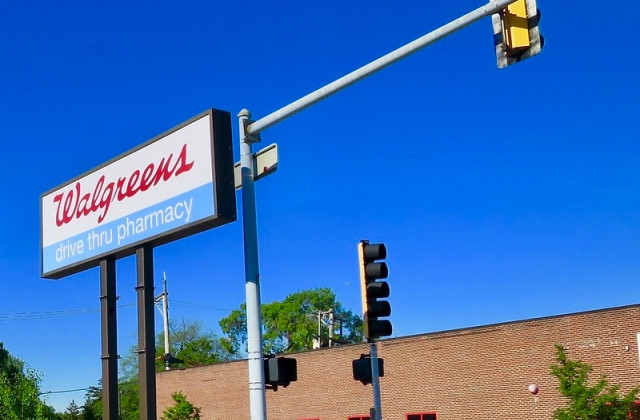
Walgreens has been sued by Arkansas Attorney General Leslie Rutledge, and the case was filed earlier this week. In her filing, she claimed that the pharmacy chain company played a big part in making the opioid crisis situation in the state worse.
Rutledge accused Walgreens of rendering a large number of orders for painkillers, and most of them are suspicious. The lawyer said that this is a violation of Arkansas’ Deceptive Trade Practices Act.
The lawsuit against Walgreens
The lawsuit was filed in Pulaski County Court, and it was stated that the pharmacy did not do enough to make sure that the prescriptions are legitimate and not questionable. It was said that because of Walgreens' failure to monitor the orders, large amounts of the regulated drug were distributed in Arkansas, as per Arkansas Democrat Gazelle.
"Walgreens has a legal responsibility to report suspicious orders and suspicious prescriptions," the attorney general said. "By failing to do so they enabled the black market of prescription drugs to increase dramatically, thus leading to more, greater addiction and more lives lost in the state of Arkansas."
As stated in the lawsuit, from 2006 to 2014, Walgreens fulfilled orders of over 142 million dosages of oxycodone and hydrocodone in the state. Rutledge said that this big amount should have alerted the company to the fact that suspicious orders were being placed.
It was added that such quantities that were distributed in Arkansas far exceeded the normal amount that could be consumed for medical legit purposes. “Walgreens failed to report and halt those orders and instead increased the number of pills distributed,” the statement from the suit reads.
With the filing, the state is seeking a directive that will force Walgreens to act responsibly and comply with federal and state laws. It is also seeking appropriate civil penalties for every violation that the company may have committed against the state’s consumer protection laws.
Walgreens denies the allegations
Walgreens refuted the accusations and stated that it never produced or marketed opioids. The company’s spokesperson further told FOX Business that they never sold the said drug to pain clinics, online pharmacies, and 'pill mills' that worsened the opioid crisis.
"Prior to 2014, we delivered opioids only to our own pharmacies, and the only place we ever sold FDA-approved opioid medications was at the pharmacy counter when presented with valid prescriptions written by DEA-licensed physicians for legitimate medical needs," the firm’s spokesperson said.
Finally, he added that the company’s pharmacists always evaluate and take the law into consideration before deciding whether to fill a prescription for controlled substances.







