


 IMF Maintains 2027 Global Growth Forecast at 3.4% Amid Rising Risks
  Asian Currencies Steady as Dollar Nears 18-Month High Ahead of US CPI
  ASML Raises 2026 Sales Forecast as AI Chip Demand Surges
  Wall Street Closes Lower as Bank Earnings and AI Concerns Weigh
  Fed's Hammack Urges Faster Rate Hikes to Fight Inflation
  China Bank Lending Rebounds in September, Beats Forecasts
  New York Times, AFP Join Coalition to Protect Content From AI
  TSMC Profit Set to Surge 65% as AI Chip Demand Drives Record Earnings
  Amazon in Talks to Acquire AI Startup Decart for $7 Billion
  Arm Shares Fall Over 3% After Qualcomm Wins License Dispute
  Oil Prices Surge Above $106 After Deadly Saudi Airport Attack
  Gold Prices Rebound as Dollar Weakens Ahead of US Inflation Data
  NEAR Protocol Leads AI Crypto Rally Amid Fed Rate Hike Fears
  Nvidia CEO Jensen Huang Open to Cutting Chip Supply Over Unsafe AI
  Asian Stocks Fall as Oil Prices Rise Ahead of US CPI Data
  SpaceX Starlink Restrictions Disrupt Ukraine Military Operations
  Samsung, SK Hynix Shares Plunge as China Chip Competition Grows


 Add as a preferred source on Google
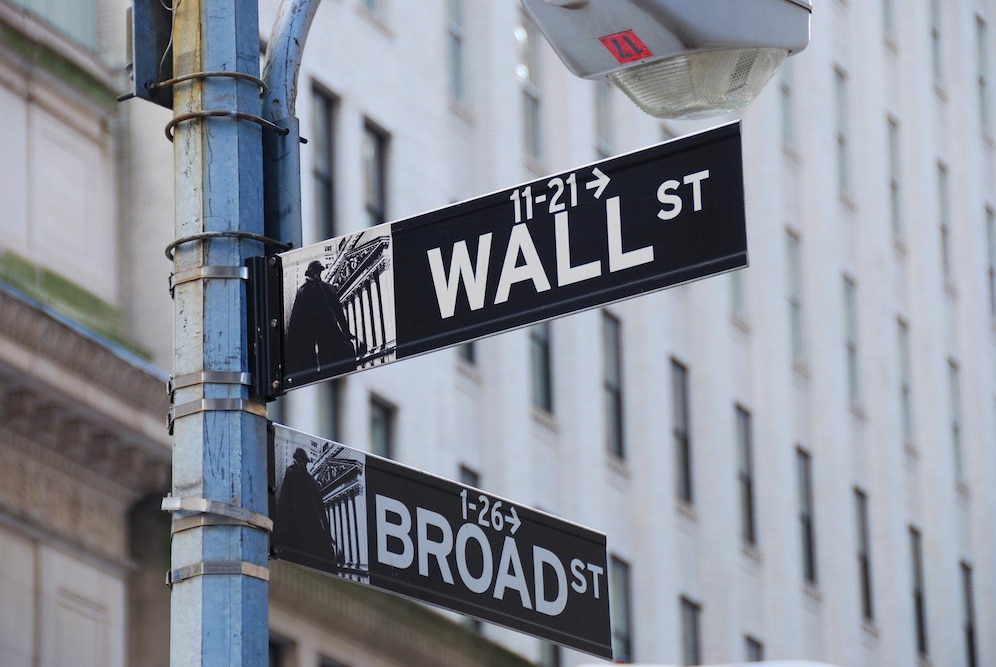
Wall Street’s main indexes dipped Monday as Nvidia plummeted following a Chinese antimonopoly investigation. Investors grew jittery ahead of critical U.S. inflation readings due midweek, raising questions about the Federal Reserve’s next steps and unsettling a technology sector already reeling from global regulatory pressures.
Nvidia Probe Sparks Wall Street Decline
On Monday, investors braced for pivotal inflation data later this week, and a fall in artificial intelligence (AI) leader Nvidia weighed on tech stocks, sending Wall Street's main indexes down, Reuters shares.
The information technology sector was hit hard when Nvidia was dragged down after the chipmaker was investigated by China's market regulator for possible violations of antimonopoly laws.
The Philadelphia Semiconductor Index took a hit as Advanced Micro Devices fell in value following a downgrade by BofA Global Research.
"The market was taken a bit by surprise regarding China's investigating (Nvidia) as a possible antimonopoly-law violation. So that's one thing that's putting a little damper on the market," said Sam Stovall, chief financial analyst at CFRA Research in New York.
Wall Street Indexes Plunge Amid Nvidia Fallout
Early estimates put the final tally for the S&P 500 at 6,053.68 points, down 35.69 points, or 0.60%, and the Nasdaq Composite at 19,736.69, down 123.08 points, or 0.62%. The Dow Jones Industrial Average dropped to 44,416.38 points, a decline of 226.14 points (or 0.51%).
As a result of Comcast's prediction that the communication services industry would lose over 100,000 broadband users in the fourth quarter, the stock price of the company fell.
There was a dramatic increase in Hershey stock price after news broke that Mondelez, the parent company of Cadbury, was considering buying out the chocolate maker. Mondelez stock dropped.
Inflation Data Looms Ahead of Federal Reserve Meeting
Before the Federal Reserve's meeting on December 17–18, investors are waiting for Wednesday's publication of the consumer price index (CPI) data set and Thursday's release of the producer price index (PPI).
Following Friday's statistics showing an increase in the unemployment rate to 4.2% in November, suggesting an improving labor market, the odds of a 25-basis-point rate drop at the next meeting surged to above 85%, Investing.com reports.
The Fed's Chair Jerome Powell was among several policymakers who warned against hastily loosening monetary policy in light of the economy's resiliency.
Trump’s Win Fuels Market Expectations for Pro-Business Policies
The two main Wall Street indices—the tech-heavy Nasdaq and the benchmark S&P 500—started December on a good note, with the former two gaining throughout the first week and the latter two ending slightly lower.
In November, U.S. equities surged following Donald Trump's victory and the party's control of both chambers of Congress. This set the stage for expectations of a more business-friendly policy agenda, which could explain the surge.







