


 European Auto Stocks Rise as EU-China Trade Deal Targets Hybrid Imports
  Trump Calls for Zelenskyy Replacement Amid Russian Diesel Deal
  TSMC Profit Set to Surge 65% as AI Chip Demand Drives Record Earnings
  Trump Defends Russian Diesel Deal Amid US Sanctions Backlash
  US Dollar Near 18-Month High Ahead of Inflation Data
  PepsiCo Slashes Poppi Earnout Valuation as Growth Slows
  Moonshot AI Executives Seek Settlement Ahead of Hong Kong IPO
  Arthur Hayes Announces FLOP Testnet Launch Within Weeks
  Ethereum Foundation-Linked Wallets Move $11.13M in ETH to Kraken
  Gold Prices Hit One-Week High as Oil Falls, Fed Rate Outlook Weighed
  US, EU Push for Action Against Asia’s Excess Factory Capacity
  Oil Prices Trim Gains After Trump Rules Out Iran Strikes Before Midterms
  Wall Street Ends Mixed as Investors Await CPI and Bank Earnings
  European Stocks Rise as Oil Prices Fall Ahead of US CPI
  Global Stocks Mixed as Oil Falls Ahead of US Earnings
  Most Americans Oppose Election Betting on Prediction Markets, Poll Finds
  Hong Kong’s Second Solana ETF Launches With Lower Fees


 Add as a preferred source on Google
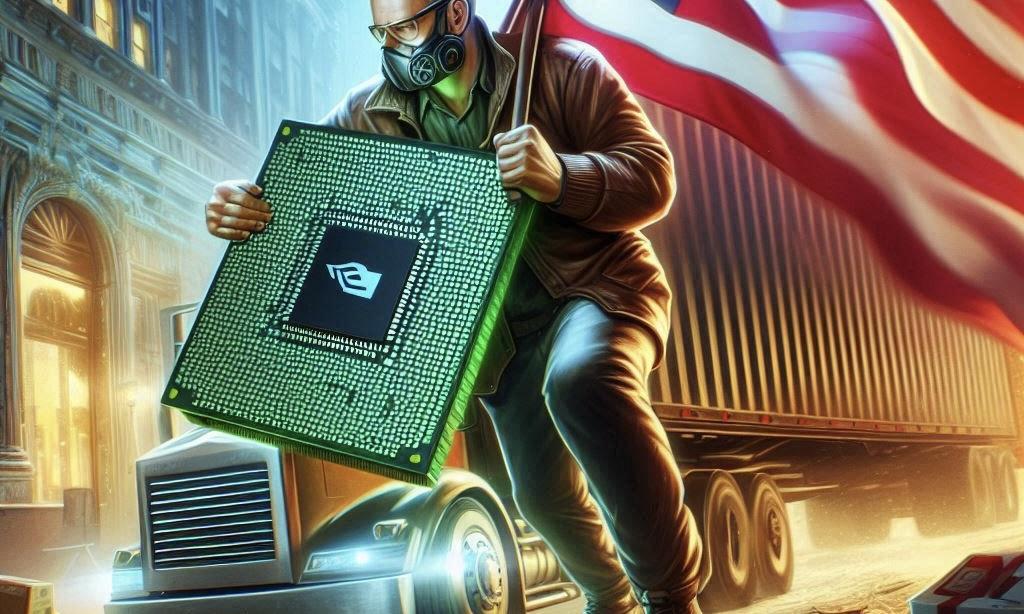
Geopolitical unease that rippled through global markets on Tuesday showed signs of waning as Asian trading kicked off Wednesday with a renewed focus on Nvidia’s upcoming earnings report. With heightened investor anticipation, all eyes are on the world's largest semiconductor company amid a backdrop of geopolitical uncertainty.
On the geopolitical front, initial market jitters were triggered by heightened US-Russia tensions over Ukraine. Reports of the Biden administration permitting Ukraine to use US-made weapons for deeper strikes into Russian territory escalated fears. Russian President Vladimir Putin responded by lowering the threshold for nuclear retaliation, sending shockwaves through equity markets on Tuesday.
The volatility index, often referred to as Wall Street’s “fear gauge,” hit its highest level since the November 5 presidential election. Despite the early turbulence, however, US markets regained their footing by the close, with both the Dow Jones and Nasdaq eking out gains.
Nvidia Earnings Take Center Stage
As geopolitical concerns temporarily fade, Nvidia (NASDAQ: NVDA) has seized center stage with its highly anticipated earnings announcement set for later today. Analysts are optimistic, predicting an 82.8% revenue surge for the August-October period, estimated at $33.125 billion compared to $18.12 billion last year, according to LSEG data.
The tech giant’s performance has become a critical bellwether for global markets as it dominates the semiconductor sector amid increasing demand for AI and data-center technologies. A strong earnings report could set the tone for a bullish rally, but any shortfall could reignite market fears, particularly against the backdrop of geopolitical uncertainty.
Asian Markets Buoyed by Stabilizing US Conditions
The stabilizing US dollar, easing Treasury yields, and subsiding volatility late Tuesday have created a favorable environment for Asian markets. Investors are cautiously optimistic as they also weigh key regional developments, including monetary policy decisions in China and Indonesia.
The People’s Bank of China (PBOC) is widely expected to hold interest rates steady at 3.10% for the one-year loan prime rate and 3.60% for the five-year benchmark. This decision reflects an effort to protect the yuan, which is under renewed pressure with the anticipated return of Donald Trump to the White House in 2025.
Meanwhile, Bank Indonesia is also expected to maintain its benchmark seven-day reverse repo rate at 6.00%. Analysts note a one-in-five chance of a rate cut next month, underscoring the region’s cautious stance amid global uncertainties.
Key Market Developments to Watch
While Nvidia dominates headlines, other critical data points could sway investor sentiment. South Korea will release producer price inflation figures, and Japan and Taiwan are expected to provide trade data. These metrics serve as barometers for global demand, especially given Taiwan’s pivotal role in chip manufacturing.
Market Outlook: Hopeful But Cautious
Despite fading geopolitical fears, markets remain on edge as any misstep in Nvidia’s earnings could reignite volatility. Analysts will also be closely watching for any shifts in US-Russia relations and their potential to disrupt global stability.







