Donald Trump’s strategy for tackling past political controversies as he steps into his second term has become a central topic of national discourse. The former president, known for his unconventional approach to politics, has stated his intention to address prior disputes head-on while focusing on a forward-looking agenda. However, critics argue that revisiting old controversies could overshadow his new term’s objectives.
Acknowledging Past Challenges Without Dwelling
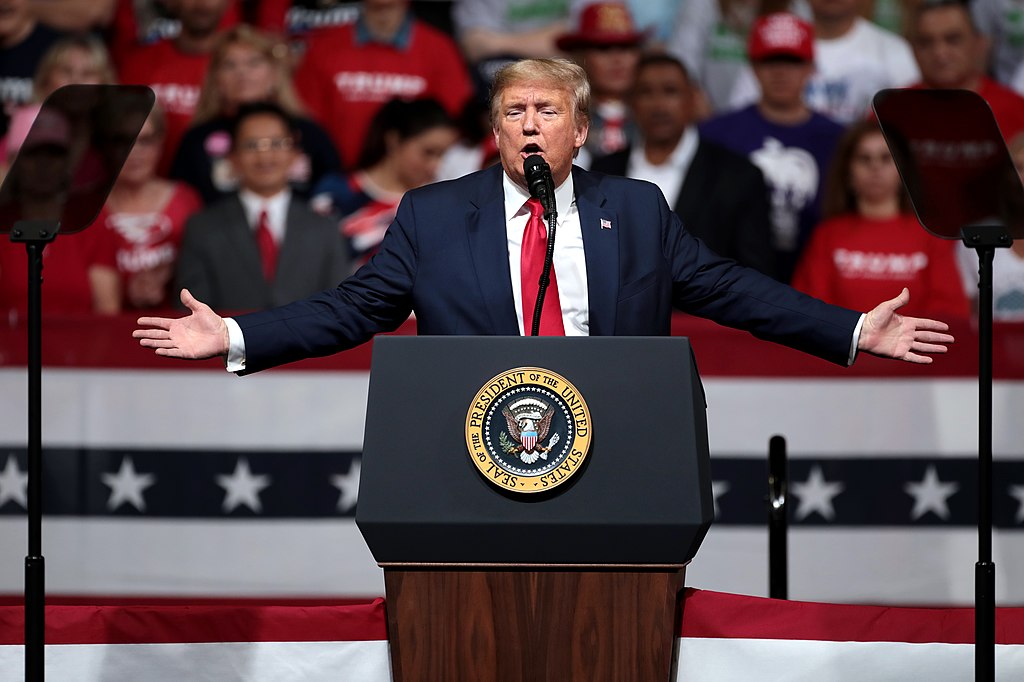
Trump’s approach to controversies from his first presidency involves openly acknowledging criticisms while reframing the narrative around his accomplishments. Speaking at a rally in Florida, Trump remarked, “They attacked us because we were effective. We shook up the system, and they didn’t like it.” His comments signaled a desire to position past controversies as evidence of his administration’s impact rather than liabilities.
Key controversies, such as his handling of the COVID-19 pandemic, the January 6 Capitol riots, and his tax records, remain points of contention among voters and political analysts. Trump’s advisors have indicated that he plans to directly address these issues during public appearances, while emphasizing the policies he claims led to economic growth and strengthened national security.
Building a Narrative of Resilience
Central to Trump’s strategy is the narrative of resilience in the face of political opposition. His campaign has leaned heavily on the notion of being unfairly targeted by the media and political elites. During a recent interview, Trump stated, “The witch hunts didn’t stop us before, and they won’t stop us now. We’re stronger than ever.”
Critics, however, argue that Trump’s focus on past grievances risks alienating moderate voters. Democratic strategist Emily Hart commented, “If he spends too much time relitigating old battles, he may lose sight of the issues that matter most to Americans today.”
Public Reactions Highlight Divided Opinions
Social media has become a battleground for opinions on Trump’s handling of past controversies. Supporters and detractors alike have voiced their views, creating a digital echo chamber of praise and criticism.
User @MAGA4Life tweeted, “President Trump never backed down, and that’s why we trust him to lead us again!” Conversely, @JusticeFirst wrote, “Addressing controversies? More like rewriting history. Accountability is still overdue for everything that happened under his watch.”
Others adopted a more neutral tone. User @IndependentVoter said, “I’ll listen to what Trump has to say, but he needs to focus on the future, not the past.” Meanwhile, @PolicyWatcher added, “It’s refreshing to see a leader willing to face criticism, but actions speak louder than words.”
Supporters highlighted his resilience, with @PatriotVoice posting, “The media tried to destroy him, but he’s still standing tall. That’s leadership.” Critics, however, remained skeptical. User @DemocracyMatters tweeted, “Trump’s idea of addressing controversies is blaming everyone else. It’s not leadership; it’s deflection.”