


 SpaceX Starlink Restrictions Disrupt Ukraine Military Operations
  US Recalls Nicaragua Envoy After Ambassador Rejection
  Elon Musk Donates $366 Million to 2026 US Midterms
  Kalshi Seeks Sixth Circuit Review of Sports Betting Ruling
  IMF Warns US Debt Crisis Needs Fiscal Action, Urges China to Boost Consumption
  Nvidia CEO Jensen Huang Open to Cutting Chip Supply Over Unsafe AI
  US Justice Department Drops Prosecution of Ex-CIA Analyst Sue Mi Terry
  MI5 Warns of Rising Iran, Russia Threats and AI Bioweapon Risks
  BlackRock CEO Warns Data Center Ban Could Trigger US Recession
  Trump Denies China, Russia Are Helping Iran in War
  Lululemon Cuts Jobs, Restructures Team After Product Quality Issues
  Netflix Cuts 1,000 Jobs as Streaming Giant Restructures
  Wells Fargo Expands Stablecoin Plans With 20 Major Banks
  Anduril Valuation Hits $90 Billion in Employee Share Sale
  Trump Announces Massive Oil and Mineral Exploration Plans in Greenland
  Netanyahu Rejects Preemptive Iran Strike Ahead of Israel Election
  China Resumes US Soybean Purchases After Trump-Xi Summit


 Add as a preferred source on Google
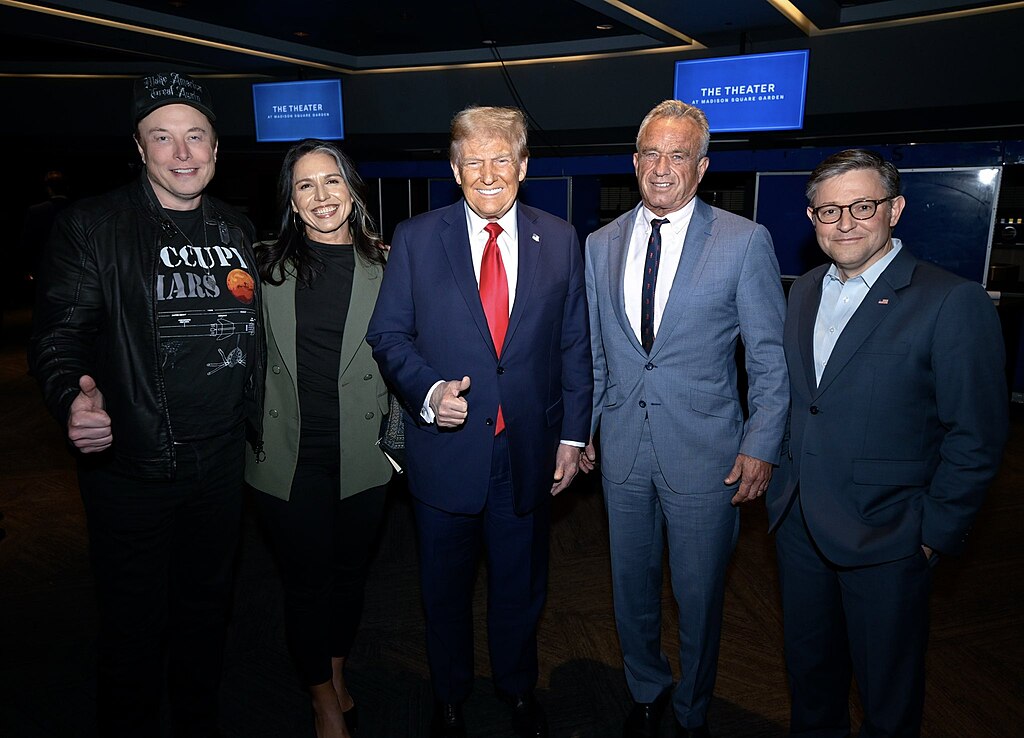
President-elect Donald Trump has outlined plans to invigorate the U.S. semiconductor industry in 2025, aiming to counter reliance on foreign chip production, particularly from China. This initiative is part of a broader strategy to strengthen national security and regain technological dominance in critical supply chains.
During his campaign, Trump emphasized the strategic importance of semiconductors, pledging to provide robust incentives for domestic manufacturing. The plan includes tax breaks for semiconductor companies, significant federal investments in research and development, and enhanced workforce training programs. Trump also signaled his intent to revisit tariffs and restrictions on Chinese-made chips.
“These steps are designed to ensure America leads in innovation and reduces dependency on adversarial nations,” a senior policy advisor stated, highlighting the administration’s focus on reducing vulnerabilities in key industries.
Proposed Policies to Strengthen the U.S. Semiconductor Industry
Federal Incentives and Investments
Trump’s plan proposes substantial subsidies to encourage semiconductor manufacturing in the U.S., expanding on the groundwork laid by the CHIPS and Science Act of 2022. The initiative also includes tax incentives for companies that invest in domestic production facilities.
Additionally, the administration plans to allocate funds toward developing cutting-edge chip technologies, such as 3nm and AI-integrated semiconductors, positioning the U.S. as a leader in next-generation innovations.
Strengthened Workforce Development
Recognizing the need for skilled workers in semiconductor production, Trump aims to invest in STEM education and vocational training programs. Collaborations between the government, educational institutions, and private sector players are expected to create a pipeline of talent to meet industry demands.
Netizens React to Trump’s Semiconductor Agenda
Reactions on social media have been mixed, with many praising the plan for prioritizing American industry, while others expressed skepticism about its execution:
- @TechPatriot: “Finally! Trump is doing what’s needed—bringing chip production back home. A win for American workers!”
- @IndustryInsider: “Incentives are great, but where’s the strategy to beat Taiwan and Korea in advanced chip technology?”
- @EconomicObserver: “If Trump can reduce dependence on China, it’s a step in the right direction.”
- @SkepticalSam: “Will this really boost jobs, or just give tax breaks to corporations? Time will tell.”
- @STEMAdvocate: “Investing in STEM education for chips? Love it! We need skilled workers to make this plan work.”
- @GlobalTechWatch: “Tariffs on China might backfire—what’s the backup plan if costs rise for U.S. companies?”







