


 Revolut Challenges Europe’s Banking Giants as Global Growth Accelerates
  XRP Asia Launches to Accelerate XRPL Adoption Across Asian Banks
  NEAR Price Rally Cools as $4.60 Support Takes Focus
  Flydubai FZ1073 Co-Pilot Accused of Terror Attack
  Robinhood Stock Nears $114 as Jobs Data Boosts Risk Appetite
  Evernorth Set for Nasdaq Debut With 473 Million XRP Treasury
  Citi Raises Bitcoin Target to $113,000 as Crypto Outlook Improves
  AAVE, PUMP, WLD and SKY Rally as Crypto Market Slips
  Ripple Locks 700 Million XRP Back in Escrow After October Release
  California AG Subpoenas OpenAI Over AI Cybersecurity Incidents
  Bitcoin Posts 42.7% Q3 Gain as ‘Uptober’ Begins Amid Crypto Turmoil
  Zcash Awards $8 Million in Grants After Orchard Bug Crisis
  Citi Raises Bitcoin Price Target to $113,000 on ETF Optimism
  TRUMP Memecoin Launches New Dinner Contest
  Circle Urges EU to Revise MiCA Stablecoin Rules
  Bank of America Sees EUR/USD at 1.15 by Year-End
  Supreme Court Takes Up Exxon, Suncor Climate Case


 Add as a preferred source on Google
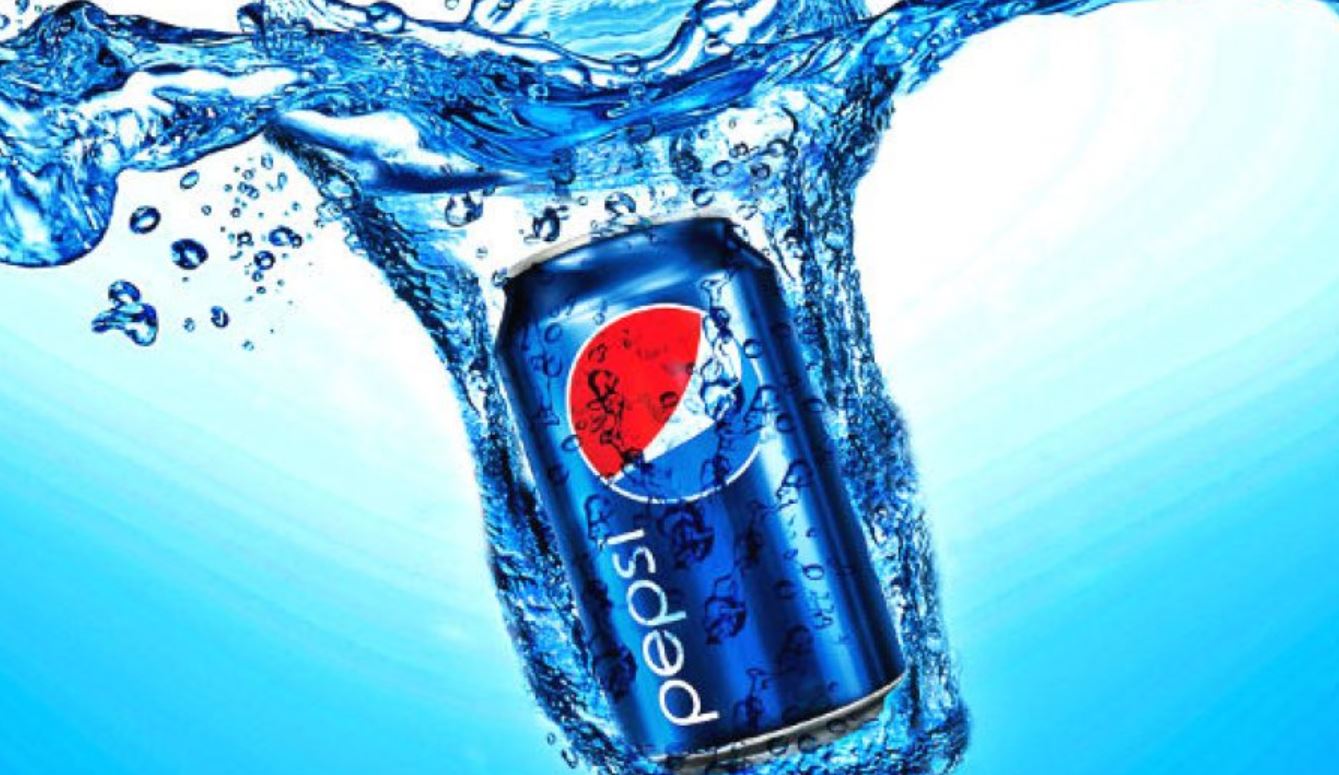
PepsiCo announced it would acquire SodaStream for US$3.2 billion, a 10% premium on SodaStream’s stock price and a 100% increase since the beginning of 2018.
On the surface, it could be that a large, diversified food and beverage company like PepsiCo is simply looking to go even further by expanding into related, but new markets. After all, PepsiCo is more than 100 times the size of SodaStream. As well as owning drinks like Pepsi-Cola and Gatorade, it includes Lay’s, Walkers and Doritos crisps.
But we believe this acquisition is much more than that. It is a bold statement by outgoing PepsiCo CEO Indra Nooyi regarding her legacy and what she wants the future of PepsiCo to be – more socially minded, with a greater emphasis on sustainability.
SodaStream’s value
SodaStream, headquartered in Israel, is no ordinary company. Under the leadership of Daniel Birnbaum, CEO since 2007, it has succeeded in operating by its stated values and challenging the status quo of the drinks industry.
Birnbaum has remained steadfast in his commitment to creating economic value through social values, not in spite of them. In many SodaStream initiatives over the past decade, he has championed the Judaic concept of tikkun olam (“repairing the world”), which entreats individuals to promote the welfare of society as a whole, and he has instilled this attitude in his employees.
SodaStream took on soft drinks industry behemoths Coca-Cola and Pepsi, emphasising convenience, health and environmental sustainability. By providing people with the tools to make their own carbonated drinks, it encourages them to drink sparkling water in reusable bottles.
Birnbaum challenged activists within the Boycott, Divestment and Sanctions Movement, who maintained that SodaStream’s factory in the occupied West Bank, where Arab and Jewish employees worked side by side, perpetuated Israel’s oppression of the Palestinian people. He also fought Israeli Prime Minister Benjamin Netanyahu to grant Arab workers permits when the company moved to a new plant in Israel.
Birnbaum has led SodaStream with the conviction that focusing on societal values will create long-term economic and financial value. Given that SodaStream’s stock traded at US$11.40 in August 2015 and this acquisition values SodaStream at over US$140 per share, it seems that his conviction has paid off.
A more sustainable future
While SodaStream’s DNA has been shaped by its commitment to societal impact, PepsiCo was better known for sugary beverages and salty snacks – neither of which are very healthy and connected with a growing global obesity epidemic and mass farming practices that by their very nature cause environmental damage.
This is something PepsiCo CEO Nooyi recognised and since she became CEO in 2006 she has prioritised more sustainable strategies over the long term – economically, socially and environmentally. Under her leadership, PepsiCo has acquired several healthier food companies, including Sabra Hummus, Naked Juice and healthy snacks brand Bare. It has also redesigned its production and supply chain activities to become more green.
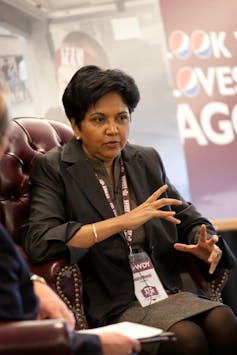
Socially conscious Indra Nooyi. Mays Business School / flickr, CC BY-NC-ND
This latest investment shows PepsiCo’s continued commitment in this direction. Although Nooyi is retiring in October, incoming CEO Ramon Laguarta is the face of the acquisition, committing to SodaStream’s operations and employees. Just as Birnbaum has championed his values to create economic value at SodaStream, Nooyi and Laguarta believe the same can be done at PepsiCo – even if it is a much slower process.
Culture change
Because changing a company’s culture is so difficult, there’s no obvious way to do it. One approach is to use acquisitions. For example, in 2000, Unilever acquired social impact pioneer Ben & Jerry’s for over US$300m. In 2007, Clorox bought natural care company Burt’s Bees for almost US$1 billion. In both cases, the much larger acquirers made it clear that they were buying both the operations and the social values, to learn from the values and leverage them in their other operations.
In the strategy and acquisitions realm, this is known as David influencing Goliath. Few large companies have embedded sustainability and social impact into their operations, investments and values more effectively than Unilever has in the 18 years since it bought Ben & Jerry’s. And PepsiCo’s acquisition of SodaStream is an investment towards decision-making based on social and economic impact.
Over the long term, with investments like this and with enough nudging and support, corporate cultures can change. Leaders like Paul Polman at Unilever, Nooyi at PepsiCo and Birnbaum at SodaStream have demonstrated that it’s possible for corporate cultures to adapt and evolve, letting investments with a social impact drive economic success.
Of course, it’s too early to tell whether PepsiCo’s decision to buy SodaStream will pay off. But it’s easy to see why the company is making this acquisition and it’s easy to see the significant intangible value it could have for PepsiCo.







