


 Trump Orders Firing Squad Execution for Fort Hood Gunman
  Lula Weighs Alckmin as Finance Minister to Boost Fiscal Credibility
  OpenAI, Anthropic Back Mandatory AI Breach Reporting in Australia
  Fairshake Backs 32 Pro-Crypto House Candidates
  Vance Demands Iran Cut Nuclear Enrichment to End War
  Trump Offers US Help to Russia After Plague Lab Worker Dies
  Trump Opens Tax-Exempt Dyed Diesel Access as Fuel Prices Surge
  Iran Tanker Attacks Surge as Hormuz Oil Flows Near Prewar Levels
  Houthis Strike Aden Airport as Yemen Fighting Escalates
  Mexico Seeks US Evidence After Border Gunfire Claim
  Russian Bombs Kill Six, Injure Nearly 60 in Kharkiv
  US DOT Ends Airline Privacy Review Without Enforcement
  Trump Gaza Peace Plan Stalls as Israel Retains Control
  US Army Tests Counter-Drone Technology Along Mexico Border
  Cuba Says US Contacts Continue but Formal Talks Remain Stalled
  Trump Envoy Meets Sudan Army Chief in Egypt
  New York Declares Measles Disaster Emergency as Cases Surge


 Add as a preferred source on Google
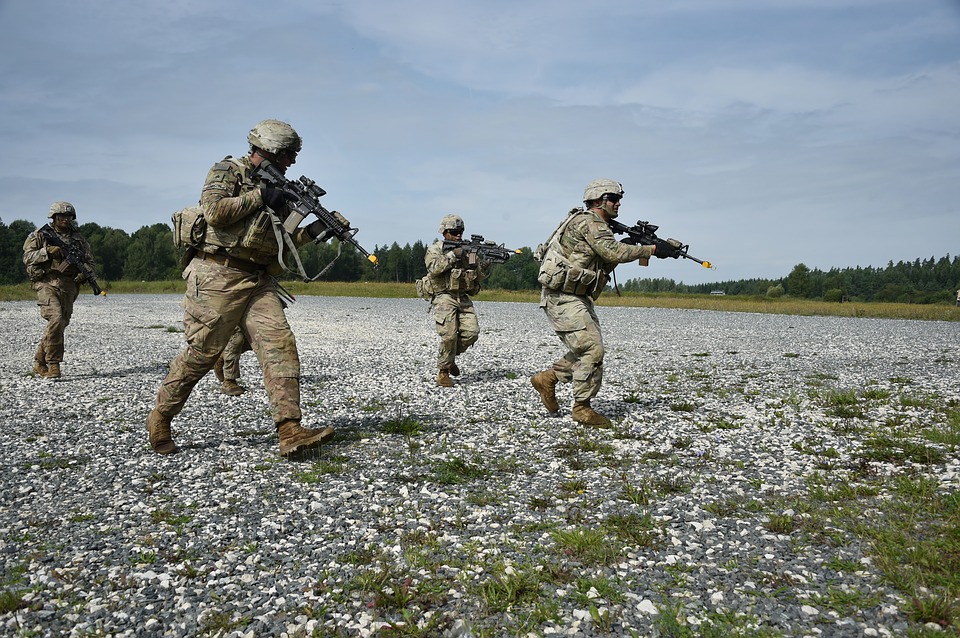
Aside from conflicts over trade, the United States and China are also at odds over control of the highly-contested South China Sea. In a move that could potentially spark an all-out conflict or world war 3, the US is planning to expand its forces in deterring potential Chinese threats.
The conflict over the South China Sea is long believed to be one of the issues that could spark world war 3 in the region. China has insisted on having sovereignty over most of the contested waters, its claims overlap with other surrounding countries, something that Washington stands by in an effort to maintain the peace and keep the waters free. Now, the US is planning on combining its Navy, Coast Guard, and Marine Corps in order to tackle potential threats from China, according to documents outlining the plans.
The documents, titled “Advantage at Sea,” details the US’ strategy in maintaining a presence at the South China Sea. “Our actions in this decade will shape the maritime balance of power for the rest of the century,” said the report that was released in December. “China and Russia’s revisionist approaches in the maritime environment threaten US interests, undermine alliances and partnerships, and degrade the free and open international order. Moreover, China and Russia’s aggressive naval growth and modernization are eroding US military advantages.”
Tensions between the US and China have risen even more especially as Washington has supplied Taipei with arms in its fight to maintain independence from China. China has claimed sovereignty over the island nation as well, but the Taiwanese government has since refused.
There is also the recent announcement made by outgoing US Secretary of State Mike Pompeo regarding the state of communication between the US and Taiwan. Pompeo announced through a statement that the long-running restrictions on communication between the two countries would be coming to an end. Pompeo cited that the US had set up internal restrictions as a way to pander to Beijing and thus the restrictions have been removed in order to establish official contacts with Taiwan.
“Today’s statement recognizes that the US-Taiwan relationship need not and should not be shackled by self-imposed restrictions of our permanent bureaucracy,” said Pompeo.







