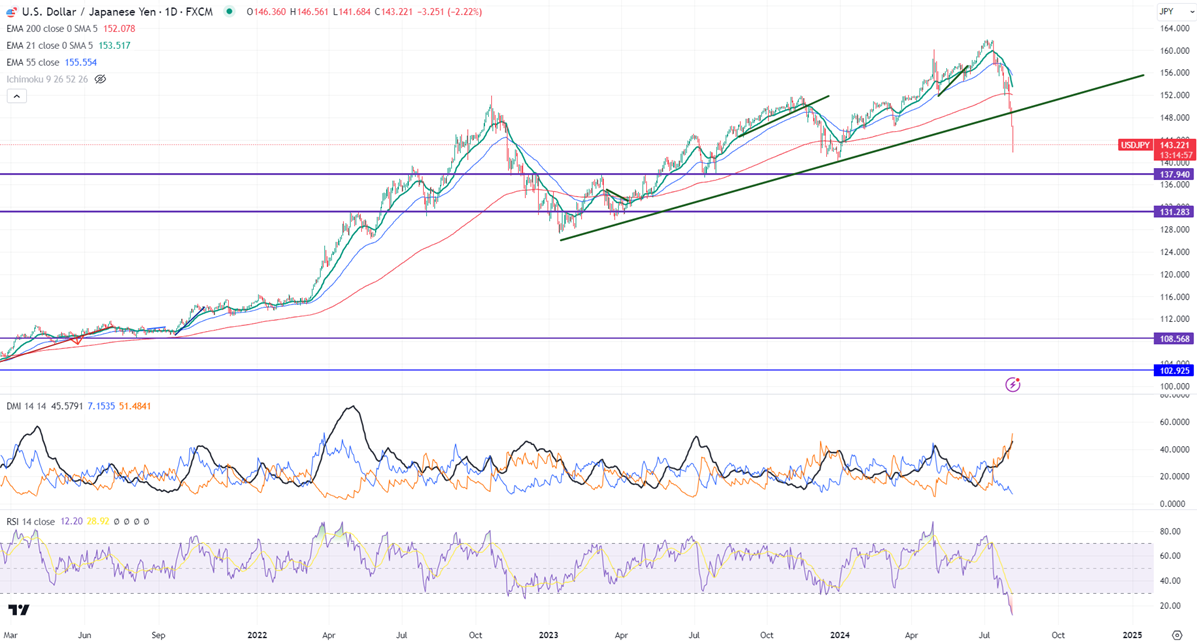
The yen gained sharply against the US dollar after the BOJ monetary policy. The Bank of Japan hiked rates by 15 bpbs unexpectedly from 0%-0.10% to 0.15%-0.25%. The central bank has reduced its bond-buying program to ¥3 trillion monthly as of Q1 of 2026.
Yen Carry trade-
Most of traders borrow yen at low interest rates and invest in other countries' assets, especially the US stock market.
JPY strengthened strongly after the BOJ rate hike. The trader started to unwind their position in the US stock market as they paid higher interest rates due to rate hikes and huge forex loss (USDJPY depreciated from 155.21 to 141.68 in the past four days.
This will increase the selling pressure on US stocks in the short term. Market eyes Middle East tension escalation, recession fears, and US political uncertainty.


Urban studies: Doing research when every city is different
Goldman Predicts 50% Odds of 10% U.S. Tariff on Copper by Q1 Close
Moody's Upgrades Argentina's Credit Rating Amid Economic Reforms
S&P 500 Relies on Tech for Growth in Q4 2024, Says Barclays
Wall Street Analysts Weigh in on Latest NFP Data
China’s Growth Faces Structural Challenges Amid Doubts Over Data
Oil Prices Dip Slightly Amid Focus on Russian Sanctions and U.S. Inflation Data
U.S. Treasury Yields Expected to Decline Amid Cooling Economic Pressures
Gold Prices Fall Amid Rate Jitters; Copper Steady as China Stimulus Eyed
2025 Market Outlook: Key January Events to Watch
US Futures Rise as Investors Eye Earnings, Inflation Data, and Wildfire Impacts
Bank of America Posts Strong Q4 2024 Results, Shares Rise
Indonesia Surprises Markets with Interest Rate Cut Amid Currency Pressure
Energy Sector Outlook 2025: AI's Role and Market Dynamics
U.S. Stocks vs. Bonds: Are Diverging Valuations Signaling a Shift?
Trump’s "Shock and Awe" Agenda: Executive Orders from Day One 


