


 Intel Reaffirms Role in Elon Musk’s Terafab Chip Project
  JPMorgan CEO Jamie Dimon Warns Mythos AI Raises Cyber Risk Tenfold
  Indian Stocks Fall as RBI Hikes Rates to 5.50%
  Japan Real Wages Rise 1.5%, Supporting BOJ Rate Hikes
  Can your cat recognise you by scent? New study shows it’s likely
  Gold Prices Slip as Strong Dollar and High Treasury Yields Weigh
  Heritage, desire and diplomacy: why China still values scotch whisky
  European Stocks Diverge as French Fiscal Crisis Hits CAC 40
  Australia Consumer Confidence Plunges as RBA Rate Hike Hits Households
  Google promotes ‘teacher approved’ apps for kids. Here’s what parents should know
  Yes, government influences wages – but not just in the way you might think
  Booked to travel through the Middle East? Here’s why you shouldn’t cancel your flight
  Hanmi Pharm Soars 30% on $2.3 Billion Genentech Obesity Drug Deal
  Trump Opens Tax-Exempt Dyed Diesel Access as Fuel Prices Surge
  Robinhood Buys $25 Million in Bitcoin for Corporate Treasury
  Novartis Shares Plunge After Muscle Drug Fails Phase III Trial


 Add as a preferred source on Google
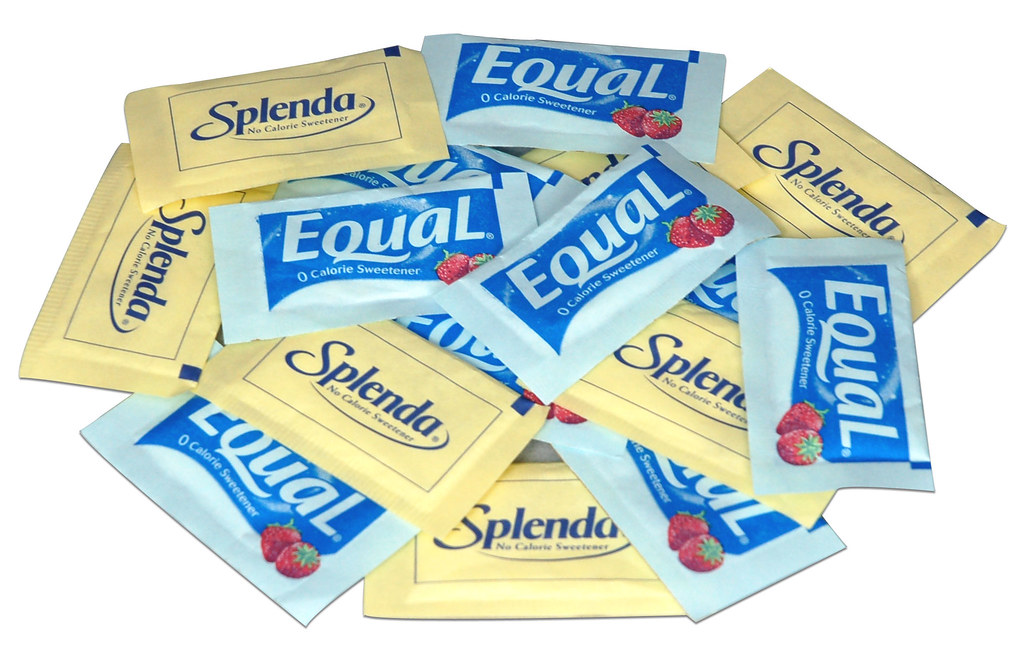
A sugar replacement called erythritol found in Splenda and Equal has been linked by a study to blood clotting, stroke, heart attack, and death.
Erythritolused is used to add bulk or sweeten stevia, monkfruit and keto reduced-sugar products.
Lead study author Dr. Stanley Hazen, director of the Center for Cardiovascular Diagnostics and Prevention at the Cleveland Clinic Lerner Research Institute, warned that “the degree of risk was not modest.”
The study, released on Monday in the journal Nature Medicine, found that people with pre-existing risk factors for heart disease, such as diabetes, were twice as likely to have a heart attack or stroke if they had the highest amounts of erythritol in their blood.
According to Hazen, there was an approximately two-fold increased risk for heart attack and stroke for those whose blood level of erythritol was in the top 25 percent as opposed to the lowest 25 percent. It is comparable to the most serious cardiac risk factors, such as diabetes.
Additional lab and animal research presented in the paper revealed that erythritol appeared to be causing blood platelets to clot more readily. Clots can break off and travel to the heart, triggering a heart attack, or to the brain, triggering a stroke.
Dr. Andrew Freeman, director of cardiovascular prevention and wellness at National Jewish Health, a hospital in Denver, said there appears to be a clotting risk from using erythritol, and that it might make sense to limit erythritol in your diet for now.”
Freeman was not involved in the research.
In response to the study, Robert Rankin, executive director of the Calorie Control Council, an industry association, said that “the results of this study are contrary to decades of scientific research showing reduced-calorie sweeteners like erythritol are safe, as evidenced by global regulatory permissions for their use in foods and beverages.”
Rankin added that the results “should not be extrapolated to the general population, as the participants in the intervention were already at increased risk for cardiovascular events.”







