


 Gold Prices Fall as US-Iran Conflict, Rising Oil Prices Fuel Fed Rate Concerns
  Australian Business Conditions Hold Steady as Easing Cost Pressures Face New Oil Price Risks
  US-Iran Strikes Escalate as Strait of Hormuz Crisis Pushes Oil Prices Higher
  South Korea’s KOSPI Triggers Trading Curb as AI Chip Stock Selloff Deepens
  Fed Reaffirms 2% Inflation Goal, Vows Forceful Action to Anchor Price Expectations
  China Trade Surplus Hits $125.6 Billion as June Exports, Imports Smash Forecasts
  Dollar Rises as Middle East Conflict Fuels Inflation and Rate Hike Fears
  Iraq PM Visits Washington as U.S. Oil, Gas Deals Take Center Stage
  South Korea’s KOSPI Enters Bear Market Despite Remaining 2026’s Best-Performing Major Stock Index
  Asia Stocks Slip as Iran-Hormuz Tensions Lift Oil Prices, Dollar and Bond Yields
  European Stocks Slip as Middle East Tensions and Hormuz Threat Rattle Markets
  Goldman Sees Foreign Investors Driving India Stock Market Recovery
  Japanese Yen Holds Steady as Intervention Hopes Grow Ahead of U.S. CPI Data
  Gold Price Holds Near $4,000 as Middle East Tensions and Fed Rate Hike Bets Grow
  South Korea Central Bank Set to Raise Interest Rates as Inflation Stays Elevated
  Dollar Holds Steady Ahead of U.S. CPI as Oil Surge, Middle East Tensions Keep Markets on Edge


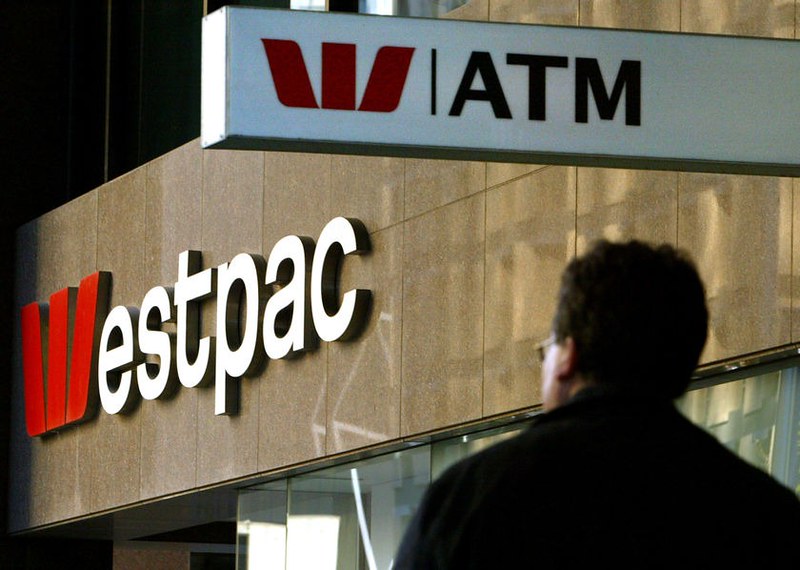
Australia's consumer sentiment improved in July as lower fuel prices and easing concerns over further interest rate hikes provided households with some relief, although confidence remained firmly in pessimistic territory.
The Westpac-Melbourne Institute Consumer Sentiment Index climbed 4.1% to 83.9 in July from 80.6 in June. Despite the improvement, the index stayed well below the neutral 100 level, indicating that pessimistic consumers still outnumber optimistic ones.
According to Westpac Head of Australian Macro-Forecasting Matthew Hassan, the latest increase suggests households are becoming less concerned that worst-case scenarios involving soaring energy costs, higher borrowing expenses, and weaker employment conditions will materialize. However, he noted that financial pressure on families remains significant, with overall consumer confidence still among the weakest recorded in the survey's five-decade history.
The improvement was largely driven by stronger perceptions of household finances. Falling petrol prices, following the reversal of the Middle East-related fuel price spike, helped reduce cost-of-living pressures. Mortgage holders also became less worried about additional interest rate increases after the Reserve Bank of Australia (RBA) left its cash rate unchanged in July.
The survey found that around 60% of respondents expect mortgage rates to rise over the next 12 months, down from 66% in June, reflecting a modest decline in expectations for further monetary tightening.
Despite the rebound in sentiment, Australians remain cautious about the broader economic outlook. Confidence in making major household purchases stayed weak, while expectations for the housing market deteriorated further. The house price expectations index dropped 8% to its lowest level in three years, with fewer consumers expecting property values to increase over the coming year.
Westpac said the RBA's decision to pause interest rate hikes helped ease fears of a more aggressive tightening cycle. Nevertheless, the bank continues to forecast a 25-basis-point rate increase at the RBA's August meeting if upcoming quarterly inflation data shows price pressures remain elevated. The inflation figures, due later this month, are expected to play a crucial role in shaping the central bank's next policy decision.







