


 Asian Currencies Steady as U.S.-Iran Ceasefire Extension Hopes Weigh on Dollar
  US Stock Futures Rise as Hopes Grow for U.S.-Iran Peace Deal
  Oil Prices Fall as Markets Await U.S.-Iran Peace Deal Decision
  China Manufacturing PMI Beats Forecasts as Export and Domestic Demand Stay Strong
  US Dollar Slips as Markets Weigh Potential US-Iran Peace Deal and Oil Price Outlook
  Trump, Syrian President Sharaa Discuss Sanctions Relief and Economic Recovery in Phone Call
  Wall Street Hits New Highs as U.S.-Iran Ceasefire Talks Boost Market Sentiment
  German Retail Sales Decline Less Than Expected in April 2026
  Kevin Warsh Faces Early Fed Test as Inflation Risks Challenge Rate-Cut Expectations
  Indian Government Bonds Seen Opening Steady Ahead of RBI Policy Decision
  Jerome Powell Warns Against Politicizing the Federal Reserve, Defends Democratic Institutions
  Asian Currencies Hold Steady as U.S. Dollar Gains on Inflation and Middle East Concerns
  Tokyo Inflation Cools in May, Supporting BOJ’s Cautious Rate Hike Path
  Asian Stocks Rally as AI Boom and Iran Ceasefire Progress Lift Market Sentiment
  India Manufacturing Growth Accelerates in May Despite Rising Costs
  Gold Prices Hold Steady as Fed Rate Hike Expectations Offset Middle East Tensions


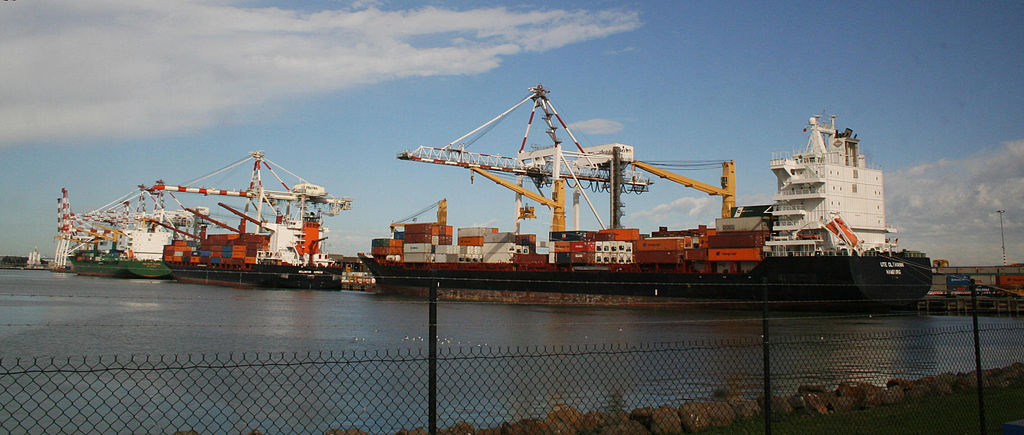
Australia recorded an unexpected trade deficit in March as exports declined and imports jumped sharply, driven by rising demand for artificial intelligence-related computing equipment and fuel imports. According to data released by the Australian Bureau of Statistics, the country posted a trade deficit of A$1.84 billion ($1.3 billion), significantly missing market expectations of a A$4.25 billion surplus.
The weak result marked a dramatic reversal from February’s revised A$5 billion trade surplus and highlighted growing pressure on Australia’s export sector. Exports fell 2.7% month-on-month in March, mainly due to weaker shipments of metal ores, coal, and sugar. Softer commodity exports weighed heavily on the overall trade balance, although mineral fuel exports managed to rise by 4.6% during the month.
Meanwhile, imports surged 14.1% compared to the previous month, fueled by a sharp increase in capital goods purchases. One of the biggest drivers was Automated Data Processing equipment imports, which soared 204% in March as businesses accelerated investments in artificial intelligence infrastructure and advanced computing systems.
Australia also saw a significant rise in crude petroleum and gasoline imports following a major refinery fire and outage in Victoria. The disruption increased the country’s reliance on imported fuel supplies, adding further pressure to the trade balance.
Despite the disappointing trade data, Australia’s benchmark S&P/ASX 200 index remained positive, rising 0.79% to 8,862.90 in real-time trading. The Australian dollar also posted modest gains against the U.S. dollar.
Economists are closely monitoring Australia’s trade performance as global commodity demand softens and AI-related investments continue to reshape import trends. The March data reflects both weakening export momentum and strong domestic demand for technology and energy products in the Australian economy.







