


 US Stock Futures Slide as Broadcom Earnings Miss Sparks Chip Stock Selloff
  Fitch Cuts Global Growth Outlook for 2026 as Oil Shock From U.S.-Iran Conflict Weighs on Economy
  Australia Passes Major Tax Reform Bill to Boost Housing Affordability and Cut Taxes for Workers
  US Employment Growth Likely Slowed in May as Labor Market Remains Stable Amid Oil Price Pressures
  Australia Trade Surplus Jumps in April as Iron Ore and Coal Exports Surge
  Oil Prices Climb as Middle East Tensions Escalate and Ceasefire Prospects Fade
  Asian Stocks Rally as AI Optimism and Tech Surge Lift Regional Markets in 2026
  Gulf Tensions Escalate as Iranian Missile Attacks Fail and Nuclear Talks Remain Stalled
  Asian Currencies Stabilize as U.S. Dollar Remains Strong Ahead of Key Jobs Data
  Putin’s ‘Russian Davos’ Draws U.S. Influencers, Officials, and Global Business Figures Amid Economic Struggles
  Australia GDP Growth Misses Forecasts in Q1 2026 as Inflation and Iran War Impact Spending
  US Dollar Poised for Weekly Gain as Middle East Tensions and Payroll Data Boost Market Focus
  US Stock Futures Slide as Broadcom Sparks Tech Selloff Ahead of Key Jobs Report
  U.S. Proposes New Tariffs on Imports From 60 Economies Over Forced Labor Concerns
  RBI Holds Interest Rates at 5.25%, Cuts India Growth Forecast Amid Rising Global Risks
  U.S. Opens Public Comment Period on New U.S.-China Trade Board and Potential Tariff Cuts


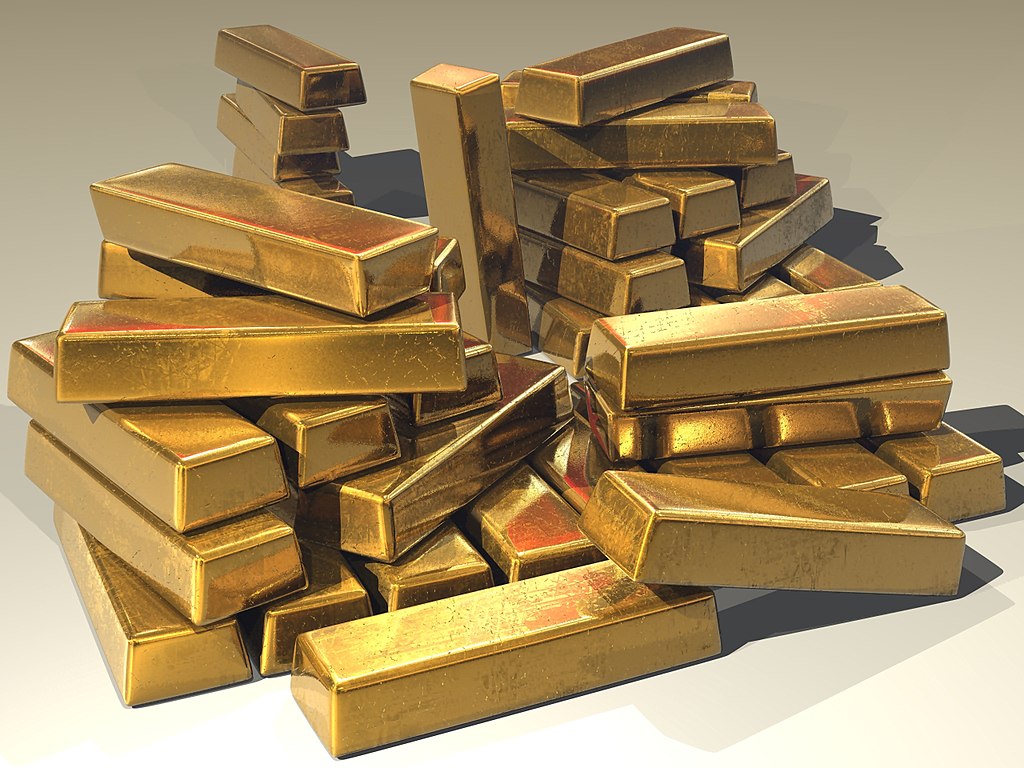
Gold prices moved lower during Asian trading on Friday, extending weekly losses as investors shifted toward the U.S. dollar amid growing concerns over inflation and interest rates. Market participants are also closely watching the upcoming U.S. nonfarm payrolls report for fresh signals on the health of the economy and the future direction of Federal Reserve policy.
Spot gold declined 0.8% to $4,440.84 per ounce, while gold futures fell 0.8% to $4,467.01 per ounce. The precious metal is on track for a weekly loss of approximately 2.2%, marking its weakest performance since early May.
The decline in gold prices comes as geopolitical tensions in the Middle East continue to escalate. Reports suggest that Iran has stepped away from negotiations with the United States, while both nations have exchanged fresh attacks. Additional pressure emerged after Iran-backed Hezbollah rejected a ceasefire agreement with Israel, raising concerns that regional hostilities could continue for an extended period.
Investors fear that prolonged conflict could keep oil prices elevated, fueling global inflation. Higher inflation expectations often encourage central banks, including the Federal Reserve, to maintain a hawkish stance on monetary policy. Rising interest rates generally reduce the attractiveness of non-yielding assets such as gold, leading to weaker demand.
Other precious metals also posted losses. Spot silver dropped 1.7% to $72.63 per ounce and was down 3.5% for the week. Platinum fell 0.9% to $1,880.76 per ounce, extending its weekly decline to nearly 1%.
Attention is now focused on the U.S. nonfarm payrolls report for May. Economists expect the data to show slower job growth, reflecting ongoing economic challenges and geopolitical uncertainty. The labor market remains a key factor in Federal Reserve decision-making alongside inflation.
A stronger-than-expected payrolls report could reinforce expectations that the Fed will keep interest rates higher for longer or potentially consider additional rate hikes later in 2026. With payroll figures beating forecasts in four of the last six months, investors remain cautious ahead of the highly anticipated release.







