


 Arm Shares Fall Over 3% After Qualcomm Wins License Dispute
  OpenAI Revenue Hits $50 Billion, Below Earlier $70 Billion Estimate
  Moonshot AI Executives Seek Settlement Ahead of Hong Kong IPO
  Apple Cuts iPhone 18 Pro Production Orders Amid Weak Demand
  Trump Buys Up to $25M in Meta Stock, Invests in SpaceX Debt
  Zcash Plans Quantum-Resistant Security Upgrade for January
  Samsung, SK Hynix Shares Fall as China's CXMT Advances DRAM Technology
  AT&T Sells Mexico Wireless Business to Televisa for $2 Billion
  TSMC Profit Set to Surge 65% as AI Chip Demand Drives Record Earnings
  Arm Breaches Qualcomm License Deal, Jury Awards $2
  New York Times, AFP Join Coalition to Protect Content From AI
  Amazon in Talks to Acquire AI Startup Decart for $7 Billion
  Samsung, SK Hynix Shares Plunge as China Chip Competition Grows
  Epic Games Delays Disney Shooter, Shifts to AI-First Development


 Add as a preferred source on Google
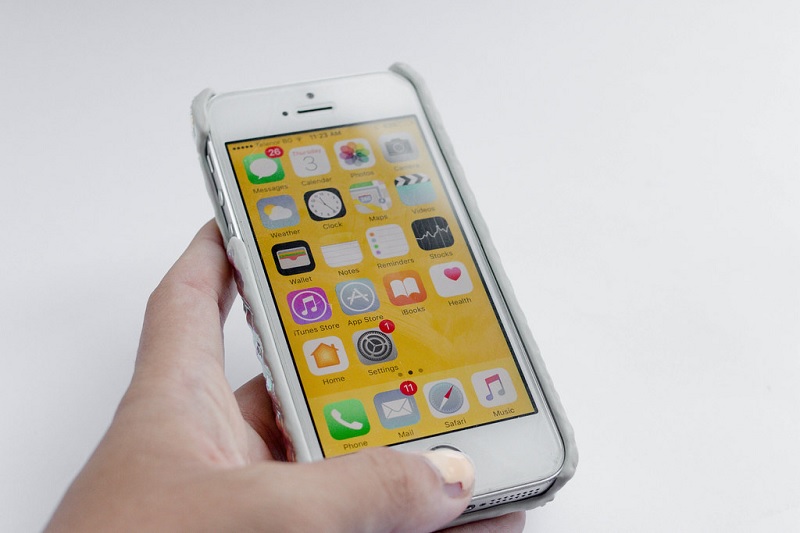
It appears that iPhone and iPad users could be looking at a much bigger change in iOS 14, aside from the usual introduction of new features. The company is rumored to be exploring the possibility of finally allowing its mobile users to choose third-party apps as the default apps for web browsing and other daily tasks.
iOS 14 could mark a significant change in the way iPhone and iPad users open emails and browse the internet
Apple is known for its rather aggressive approach in making iPhones and iPads exclusive to apps it has pre-installed in the devices. To this day, the tech giant has not budged on allowing its mobile device customers to use third-party apps as default options. But if a report is to be believed, that should change in the coming months with the release of iOS 14.
A source told Mark Gurman of Bloomberg that Apple is already “discussing” whether or not to allow such a major change in the forthcoming mobile operating system update. If it pushes through, iPhone and iPad users could finally be able to choose apps from other developers to open web links, emails, and send messages once the iOS 14 goes live.
Browser and mail apps from other developers have been off-limits to iPhone and iPad devices. iOS users can only open links through Safari and navigate their emails with the Mail app. If Apple decides to apply this change in iOS 14, tech fans could soon be switching to other available apps like Google Chrome and Firefox or the actual app developed for the email services they use, such as Gmail, YahooMail, and Microsoft Outlook, among others.
This change is also rumored to possibly affect the HomePod. The same report added that Apple is also “considering” to be more lenient to third-party music apps. This could mean that the Siri-activated speaker from Apple might soon be able to connect with Spotify accounts.
iOS 14 release date speculations place next OS update’s launch in September
It will take a few more months to confirm if these major changes will come to fruition. Apple usually unveils upcoming OS updates during the Worldwide Developers Conference that takes place in the first half of June. The iOS 14 will most likely go live along with the retail release of the new iPhone later this year, per Apple’s tradition.
Featured photo by Marco Verch licensed under Creative Commons







