


 China Keeps Loan Prime Rates Steady for 12th Month as PBOC Signals Cautious Policy Approach
  BOJ Signals Possible Rate Hike as Middle East Tensions Fuel Inflation Concerns
  Asian Stocks Slide as Tech and Chip Shares Retreat Amid Iran Conflict Concerns
  Indonesia Passes New Central Bank Law, Raising Investor Concerns Over Policy Independence
  Fitch Cuts Global Growth Outlook for 2026 as Oil Shock From U.S.-Iran Conflict Weighs on Economy
  South Korea Central Bank Holds Interest Rates Steady Amid Inflation Concerns
  Jerome Powell Warns Against Politicizing the Federal Reserve, Defends Democratic Institutions
  Trump Faces Pressure as Fed Chair Kevin Warsh Takes Over
  Gulf Tensions Escalate as Iranian Missile Attacks Fail and Nuclear Talks Remain Stalled
  Indian Government Bonds Seen Opening Steady Ahead of RBI Policy Decision
  South Korea Weighs AI Profit Sharing as Samsung and SK Hynix Earnings Surge
  Asian Currencies Stabilize as U.S. Dollar Remains Strong Ahead of Key Jobs Data
  US Stock Futures Slide as Broadcom Earnings Miss Sparks Chip Stock Selloff
  Gold Prices Rebound as Traders Weigh Middle East Tensions and Key U.S. Jobs Data
  BOJ Governor Ueda Warns Oil Price Shock Could Trigger Persistent Inflation


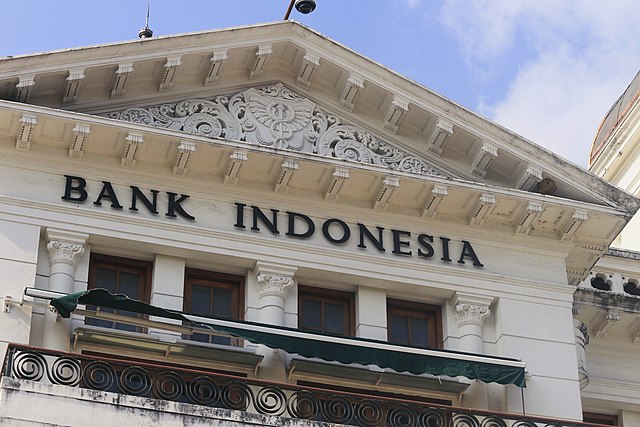
Indonesia’s central bank, Bank Indonesia (BI), is set to prepare new technical regulations following the approval of a major financial system law that significantly expands its mandate. The move comes after Indonesia’s parliament passed legislation aimed at strengthening the central bank’s role in supporting economic growth, job creation, and broader development goals.
According to BI spokesperson Ramdan Denny Prakoso, the central bank supported the new law and actively provided input during the legislative process. He stated that Bank Indonesia will formulate the necessary implementing regulations once the law is officially enacted.
The newly approved financial system law broadens BI’s responsibilities beyond its traditional objectives of maintaining price stability and safeguarding the rupiah’s exchange rate. Under the revised framework, the central bank is now explicitly tasked with supporting real-sector growth, creating employment opportunities, and contributing to sustainable economic development.
The legislation aligns with President Prabowo Subianto’s ambitious economic agenda, which targets 8% GDP growth by 2029. However, the law has also triggered concerns among economists and investors regarding the future independence of Indonesia’s central bank.
Market observers have expressed caution over provisions that grant parliament greater authority to evaluate financial institutions and issue binding recommendations. Additional scrutiny has focused on changes to the mechanism governing the removal of Bank Indonesia’s board members, raising questions about potential political influence over monetary policy decisions.
Investor concerns have intensified amid fears that increased oversight could interfere with the central bank’s ability to independently manage inflation, interest rates, and currency stability while supporting the government’s growth objectives.
Despite these concerns, Bank Indonesia emphasized its commitment to maintaining economic stability. The central bank said it will continue implementing a balanced policy mix designed to preserve financial stability, support sustainable economic growth, and strengthen cooperation with both the government and parliament.
As Indonesia moves forward with the new financial system framework, market participants will closely monitor how the central bank adapts its policies and regulations under its expanded mandate.







