


 HUTCHMED, AstraZeneca Seek FDA Approval for Lung Cancer Combo
  US Conducts Non-Nuclear Explosion Test to Boost Nuclear Detection
  China Cuts Tariffs on U.S. Farm Goods but Excludes Soybeans
  White House Blames Democrats as CLARITY Act Stalls
  Russia Warns NATO of Nuclear Response Over Kaliningrad
  Trump Says He Raised Political Prisoners With Xi
  Netanyahu Says Israel May Join Flydubai Crash Attempt Probe
  TSA Removes Chairs for Airport ID Check Officers
  US Officials See China Taiwan Invasion Before 2028 as Less Likely
  China Tightens Fentanyl Rules Ahead of Trump-Xi Summit
  Trump Demands Powell Resign Over Fed Renovation Cost Overruns
  CFTC Moves to Define Prediction Markets as Swaps
  US Backs Musk in Fight Against EU’s €120 Million X Fine
  El Salvador Turns to Stablecoins as Bitcoin Payments Struggle
  Trump Praises Boeing 737 Max After Flydubai Crash Attempt
  FDA Approves Mirum’s Atebrioz for Rare Bone Disorder FOP
  Malaysia Begins Deportation of 1,500 Myanmar Nationals


 Add as a preferred source on Google
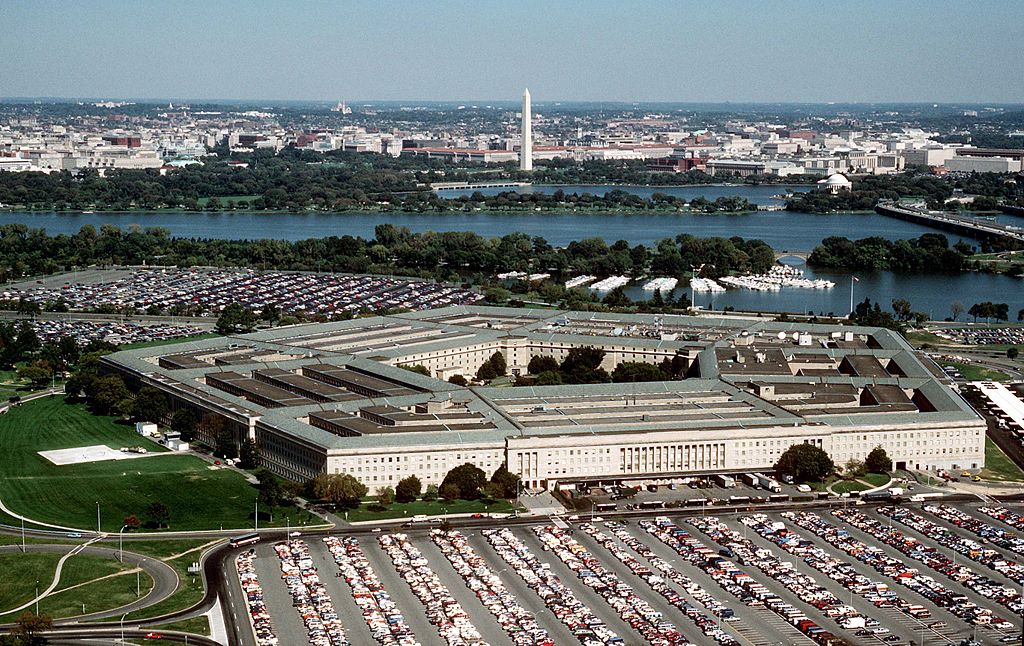
The Pentagon is reinstating mandatory testosterone deficiency screening for U.S. service members aged 30 and older, reviving a controversial military health policy that has drawn concerns from medical professionals over potential risks and the need for widespread testing.
Defense Secretary Pete Hegseth first announced the testosterone screening requirement in July as part of an effort aimed at improving military readiness. Hegseth has promoted testosterone treatment as a potential tool for supporting the health and performance of service members.
The original Pentagon guidance also included provisions for women. Female service members were expected to undergo questionnaire-based screening before potentially receiving further evaluation and treatment for health conditions linked to hormonal imbalances.
However, the Defense Department temporarily withdrew the published medical guidance in early September, saying officials needed additional time to make updates. The latest Pentagon decision ends that pause and allows mandatory testosterone testing to proceed.
It remains unclear whether the Defense Department made significant changes to the original policy before reinstating it.
"Effective immediately, this guidance addresses male testosterone deficiency, establishing uniform screening and treatment pathways," Pentagon spokesperson Sean Parnell said in a statement Thursday.
The policy establishes a standardized approach for identifying testosterone deficiency among eligible male service members and determining potential treatment options.
The initiative has faced criticism from some medical experts, who question whether routine testosterone screening is necessary for otherwise healthy men without symptoms. Medical professionals have also cautioned that testosterone therapy can carry health risks when prescribed without an appropriate clinical need.
Among the potential concerns is reduced fertility, as externally administered testosterone can suppress the body's natural hormone production and interfere with sperm production. Other health consequences may also arise depending on a patient's condition, dosage and treatment duration.
With the Pentagon lifting its temporary suspension, testosterone deficiency screening is now set to resume across the U.S. military under the updated Defense Department guidance.







