


 Japan Signals Preference for Low Interest Rates as BOJ Policy Debate Intensifies
  Ukraine Strikes Russian Titan-Barrikady Plant With Long-Range FP-5 Flamingo Missile
  US Urges States and Businesses to Strengthen Taiwan Ties Amid China Pressure
  US Seizes Nearly 400 Illegal World Cup Streaming Domains in Global Anti-Piracy Crackdown
  US Mobilizes Aid After Powerful Earthquakes Devastate Venezuela
  Iran Strait of Hormuz Tensions Rise After Ship Attack Delays IMO Escort Mission
  White House Seeks $87.6 Billion Emergency Funding for Iran War, Farmers, and Ebola Response
  Mexico, U.S. Launch Sterile Fly Facility to Combat New World Screwworm Outbreak
  Serbia President Aleksandar Vucic to Resign, Calls Early Elections After Months of Protests
  Iran Attack in Strait of Hormuz Pushes Oil Prices Higher
  Trump Threatens 100% Tariffs on Countries Imposing Digital Services Taxes on U.S. Tech Firms
  Trump Requests $11 Billion More in Farm Aid as Rising Costs Pressure U.S. Farmers
  Trump Administration Rejects Claims of Rift Between JD Vance and Marco Rubio on Iran Policy
  Australia Plans Higher Fines for Social Media Firms Failing to Block Underage Users
  Pelosi Discloses Major Intel and Uber Call Option Purchases Worth Up to $6 Million
  Iran Revolutionary Guards Claim Strike on U.S. Military Positions After Fresh U.S. Attack
  Javier Milei Cabinet Chief Manuel Adorni Resigns Amid Spending Scandal Investigation


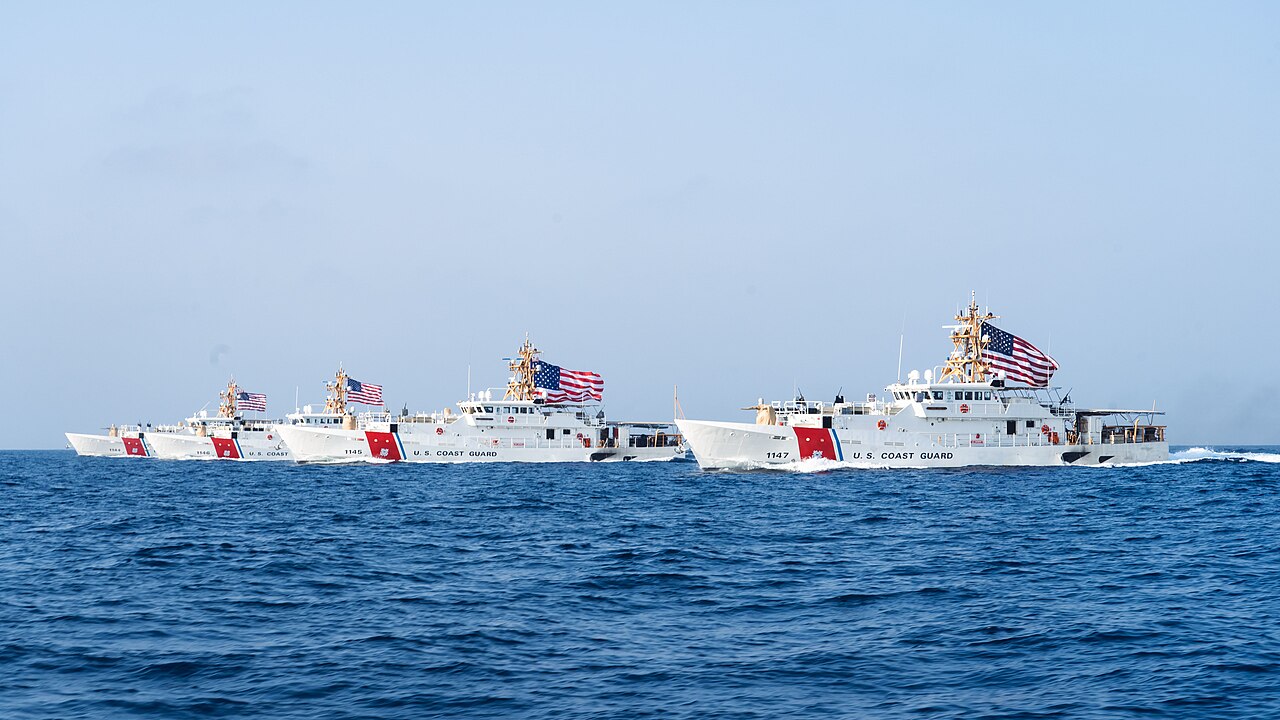
The United States launched fresh military strikes against Iran after a Panama-flagged oil tanker was attacked in the Strait of Hormuz, marking the most serious escalation since Washington and Tehran signed an interim peace agreement two weeks ago. Both sides have accused each other of violating the ceasefire, raising concerns that the fragile truce could collapse.
The U.S. Central Command (CENTCOM) confirmed on Saturday that American forces targeted multiple Iranian military assets following what Washington described as an Iranian drone attack on a commercial tanker transiting the Strait of Hormuz. According to CENTCOM, the operation focused on military surveillance systems, communications infrastructure, air defense positions, drone storage sites, and naval mine-laying facilities used to threaten commercial shipping.
"Iran was given a chance to honor the ceasefire agreement but elected not to," CENTCOM said in a statement, adding that the strikes were carried out in direct response to continued Iranian aggression against international maritime traffic.
A U.S. defense official later told Fox News that the military operation had concluded successfully. Meanwhile, Iranian state broadcaster IRIB reported explosions near Sirik in southern Iran early Sunday, though it did not provide details regarding the cause or the extent of any damage.
The latest confrontation follows another attack on a cargo vessel in the Strait of Hormuz on Thursday, which triggered the renewed exchange of military actions. The strategic waterway, responsible for transporting a significant share of the world's oil supplies, had only recently begun recovering from months of wartime disruption.
Britain's UK Maritime Trade Operations (UKMTO) said the tanker struck on Saturday suffered damage to its bridge, although all crew members were reported safe. The Joint Maritime Information Center, which coordinates maritime security among allied naval forces, raised its regional threat level following the latest incidents.
Iran has not directly acknowledged responsibility for the reported attacks on commercial vessels. However, Iranian state television said the Islamic Revolutionary Guard Corps fired "warning shots" at ships attempting to use navigation channels that Tehran had not authorized. The report claimed that more vessels are now requesting Iranian approval before entering the Strait of Hormuz.
Earlier on Saturday, Iran's Foreign Ministry said it had launched what it described as defensive attacks against U.S.-linked military targets. Bahrain, home to the U.S. Navy's Fifth Fleet headquarters, also reported an Iranian drone attack, though the U.S. military had not immediately commented on those claims.
The renewed military exchange comes as Iran continues accusing the United States of failing to fully honor the interim peace agreement. Tehran argues Washington has not enforced commitments related to maintaining a ceasefire in Lebanon, where Israeli military operations against Hezbollah have continued despite multiple U.S.-brokered agreements.
On Saturday, Lebanese state media reported another Israeli drone strike in southern Lebanon's Nabatiyeh region. Israel said the strike targeted an individual posing a threat to its forces. Hezbollah leader Naim Qassem dismissed the latest Israel-Lebanon agreement as "null and void," while frustration has spread among displaced Lebanese residents who remain unable to return to areas occupied by Israeli forces.
Israeli Defense Minister Israel Katz defended the arrangement, saying it allows Israel to maintain a security zone in southern Lebanon while preventing the return of residents until security conditions improve.
Iranian officials also blamed Washington for fueling instability across the region. Mohsen Rezaei, an adviser to Supreme Leader Ayatollah Ali Khamenei, accused the United States of violating the memorandum of understanding by supporting regional proxy forces and contributing to tensions in the Strait of Hormuz.
Iran has also targeted neighboring Gulf states hosting U.S. military facilities. State television said the Revolutionary Guards launched what it described as a decisive response after U.S. strikes hit a communications tower in Sirik. However, Iran's Mehr News Agency reported that the nearby port continued operating normally without significant infrastructure damage.
Bahrain condemned Iran's latest actions, calling them a breach of the ceasefire agreement.
The Strait of Hormuz remains one of the world's most critical energy shipping routes. Hundreds of vessels, including oil tankers, had been stranded during the conflict before maritime traffic gradually resumed over the past two weeks, helping drive global oil prices back toward pre-war levels.
The United States has encouraged commercial vessels to use a southern shipping corridor near Oman, while Iran has sought to direct ships through northern routes under its control, where it ultimately hopes to impose transit fees.
Ebrahim Azizi, chairman of Iran's parliamentary national security committee, warned that any vessel ignoring Iran's navigation instructions would face a firm response.
U.S. Vice President JD Vance, who has served as President Donald Trump's lead negotiator during the conflict, insisted Washington has fully complied with the ceasefire terms and blamed Tehran for the renewed violence.
"Iran signed a ceasefire agreement. We have honored it. If they have disagreements about how the MOU is being applied, they can pick up the phone. But violence will be met with violence," Vance wrote on X.







