


 Prudential Financial Reports Higher Q4 Profit on Strong Underwriting and Investment Gains
  SpaceX Prioritizes Moon Mission Before Mars as Starship Development Accelerates
  TSMC Eyes 3nm Chip Production in Japan with $17 Billion Kumamoto Investment
  Nvidia, ByteDance, and the U.S.-China AI Chip Standoff Over H200 Exports
  SoftBank Shares Slide After Arm Earnings Miss Fuels Tech Stock Sell-Off
  Global PC Makers Eye Chinese Memory Chip Suppliers Amid Ongoing Supply Crunch
  Kroger Set to Name Former Walmart Executive Greg Foran as Next CEO
  Alphabet’s Massive AI Spending Surge Signals Confidence in Google’s Growth Engine
  Nvidia CEO Jensen Huang Says AI Investment Boom Is Just Beginning as NVDA Shares Surge
  SpaceX Pivots Toward Moon City as Musk Reframes Long-Term Space Vision
  Taiwan Says Moving 40% of Semiconductor Production to the U.S. Is Impossible
  Baidu Approves $5 Billion Share Buyback and Plans First-Ever Dividend in 2026
  Once Upon a Farm Raises Nearly $198 Million in IPO, Valued at Over $724 Million
  SoftBank and Intel Partner to Develop Next-Generation Memory Chips for AI Data Centers
  Amazon Stock Rebounds After Earnings as $200B Capex Plan Sparks AI Spending Debate
  Tencent Shares Slide After WeChat Restricts YuanBao AI Promotional Links
  Jensen Huang Urges Taiwan Suppliers to Boost AI Chip Production Amid Surging Demand


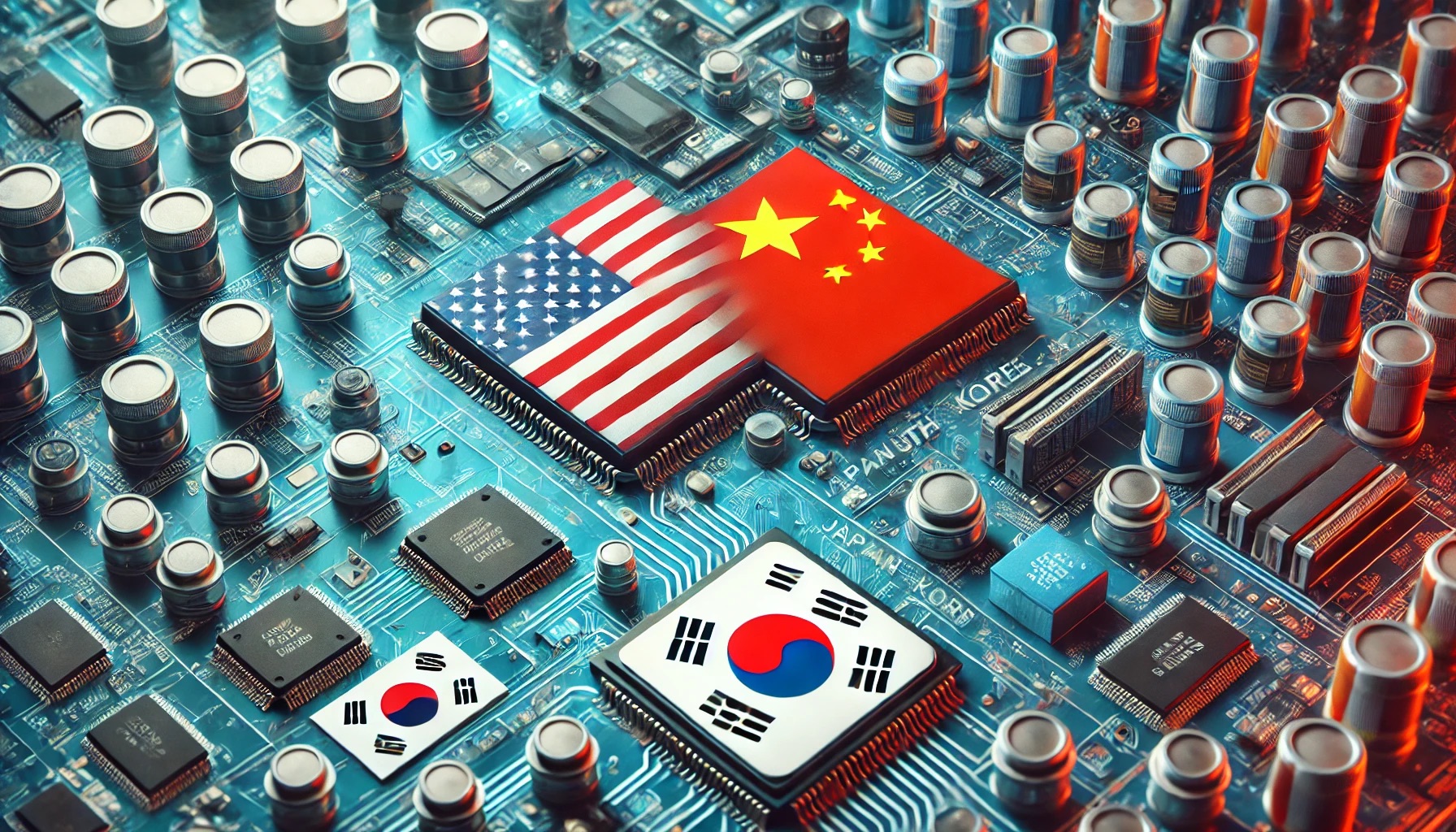
The Biden administration is set to unveil a new rule restricting semiconductor equipment exports to China while exempting crucial allies like Japan, the Netherlands, and South Korea.
Next month, the Biden administration intends to introduce a new rule that will enhance the United States' ability to prohibit the export of semiconductor manufacturing equipment from certain foreign countries to Chinese chipmakers. This information was confirmed by two sources who are familiar with the rule.
According to anonymous sources, the restriction will have a limited impact because it would not apply to shipments from countries that export critical chipmaking equipment, such as Japan, the Netherlands, and South Korea, Reuters reports.
Impact on Chinese Chipmaking Fabs
One of the insiders said that the rule, an enlargement of the Foreign Direct Product law, would prevent some six Chinese fabs—the nerve centers of China's advanced chipmaking—from receiving exports from a number of nations.
In 2022 and 2023, the United States imposed export restrictions on semiconductors and equipment used to make chips for China in an effort to halt advancements in artificial intelligence and supercomputing that could be advantageous to China's military.
Maintaining Pressure Without Alienating Allies
Keeping the pressure on China's growing semiconductor industry without alienating friends is Washington's goal with the new rule, which is still in draft form.
MSN shares that the use of American technology in any product gives the United States the authority to prohibit its sale, regardless of where it is manufactured, according to the Foreign Direct Product rule.
For a number of years, the law has been used to block chips manufactured overseas by Huawei, a Chinese tech behemoth that reinvented itself in response to U.S. restrictions and is now the epicenter of China's advanced chip manufacturing and research.
According to sources, in addition to closing a loophole in the Foreign Direct Product regulation, this most recent export control package will reduce the amount of U.S. content that determines when foreign items are subject to U.S. control.
As an example, they mentioned that equipment that incorporates U.S. technology chips could be labeled as subject to export controls.
New Rule to Add More Chinese Firms to Trade List
Along with a half-dozen chipmaking plants (also called fabs), toolmakers, suppliers of EDA (electronic design automation) software, and allied businesses, the United States intends to add approximately 120 Chinese enterprises to its restricted trade list.
The sources indicated that the intended new rule is still in draft form and subject to modification. However, they do aim to publish it in some form next month.













