


 Eli Lilly’s Inluriyo Gains FDA Approval for Advanced Breast Cancer Treatment
  FDA Lifts REMS Requirement for CAR-T Cell Cancer Therapies
  Wildfires ignite infection risks, by weakening the body’s immune defences and spreading bugs in smoke
  What’s so special about Ukraine’s minerals? A geologist explains
  Lake beds are rich environmental records — studying them reveals much about a place’s history
  Burkina Faso and Mali’s fabulous flora: new plant life record released
  SpaceX Prioritizes Moon Mission Before Mars as Starship Development Accelerates
  Thousands of satellites are due to burn up in the atmosphere every year – damaging the ozone layer and changing the climate
  How ongoing deforestation is rooted in colonialism and its management practices
  NASA Astronauts Wilmore and Williams Recover After Boeing Starliner Delay
  Trump and Merck KGaA Partner to Slash IVF Drug Costs and Expand Fertility Coverage
  The UK is surprisingly short of water – but more reservoirs aren’t the answer
  An unexpected anomaly was found in the Pacific Ocean – and it could be a global time marker
  Drug pollution in water is making salmon take more risks – new research
  Swimming in the sweet spot: how marine animals save energy on long journeys


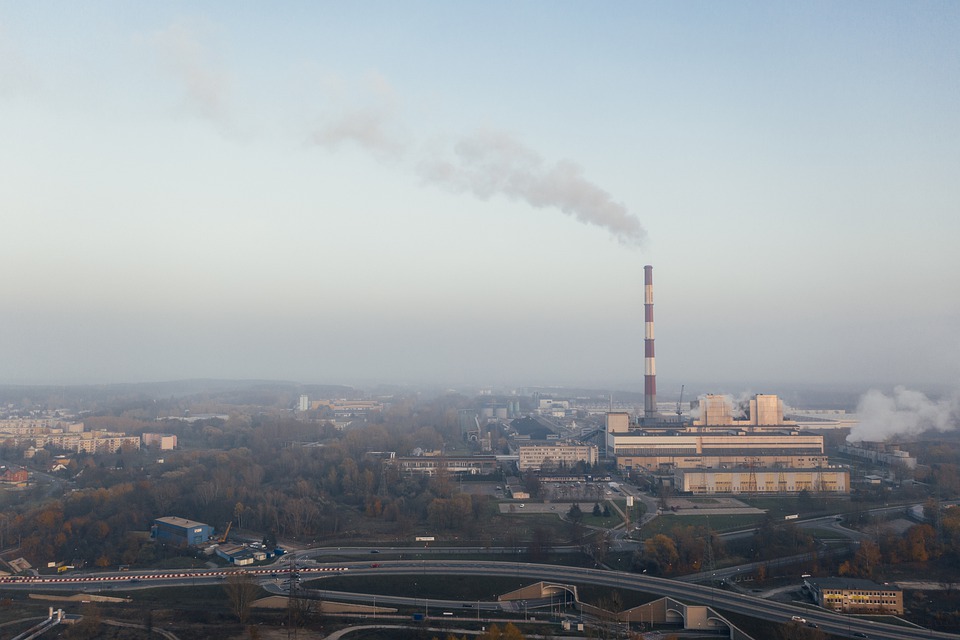
Even as the world still struggles with combating the COVID-19 pandemic, there is another challenge presented by climate change, which is becoming increasingly evident in recent years. Unfortunately, the situation appears to worsen over time as scientists have revealed that carbon dioxide levels have been rising at an accelerated rate.
Express reports a study from the University of Bern compared the composition of Earth’s atmosphere from 330,000 and 450,000 years ago when a similar situation happened as levels of carbon dioxide rose during those times. The researchers found that the sudden increase in carbon dioxide in the atmosphere was because of melting glaciers. When CO2 levels rose suddenly, there were changes happening in the Atlantic Ocean’s circulation at the same time.
Although it remains a mystery as to how it impacts CO2 levels, the researchers know that the accelerated carbon dioxide levels today were human activity-driven, and the CO2 levels at the time were not rising as fast as today.
“These natural jumps in the CO2 concentration in the atmosphere happened almost ten times slower than the human-driven increase over the last decade,” said the study’s lead author Christoph Nehrbass-Ahles.
The increasingly worsening effects of climate change have already taken its toll on polar regions and glaciers. Experts revealed that global temperatures have gone up to 0.15 to 0.20 degrees Celsius per decade. Scientists believe that Greenland may be the worst-hit country from this worldwide problem. Should the thick layers of ice in Greenland melt, sea levels would rise by a significant amount, which may result in the submerging of certain coastlines.
Previously, MIT associate professor Asegun Henry claimed that combatting climate change should have happened years ago. Professor Henry explained that energy consumption paired with greenhouse gases contributed to the rising global temperatures.
Professor Henry then detailed how scientists could be able to do something about the rising temperatures, through creating a type of energy storage system that will not lose any heat when creating energy. “The first challenge is developing thermal storage systems for the power grid, electric vehicles, and buildings,” said the professor, who also joined other scientists in writing a paper describing their goals for battling climate change.













