


 American Airlines CEO to Meet Pilots Union Amid Storm Response and Financial Concerns
  Washington Post Publisher Will Lewis Steps Down After Layoffs
  U.S.-India Trade Framework Signals Major Shift in Tariffs, Energy, and Supply Chains
  FDA Targets Hims & Hers Over $49 Weight-Loss Pill, Raising Legal and Safety Concerns
  Oil Prices Slip as U.S.-Iran Talks Ease Middle East Tensions
  DBS Expects Slight Dip in 2026 Net Profit After Q4 Earnings Miss on Lower Interest Margins
  Japanese Pharmaceutical Stocks Slide as TrumpRx.gov Launch Sparks Market Concerns
  OpenAI Expands Enterprise AI Strategy With Major Hiring Push Ahead of New Business Offering
  Global PC Makers Eye Chinese Memory Chip Suppliers Amid Ongoing Supply Crunch
  Missouri Judge Dismisses Lawsuit Challenging Starbucks’ Diversity and Inclusion Policies
  Yen Slides as Japan Election Boosts Fiscal Stimulus Expectations
  Uber Ordered to Pay $8.5 Million in Bellwether Sexual Assault Lawsuit
  Innovent Biologics Shares Rally on New Eli Lilly Oncology and Immunology Deal
  Nvidia, ByteDance, and the U.S.-China AI Chip Standoff Over H200 Exports
  SpaceX Prioritizes Moon Mission Before Mars as Starship Development Accelerates
  Nvidia CEO Jensen Huang Says AI Investment Boom Is Just Beginning as NVDA Shares Surge


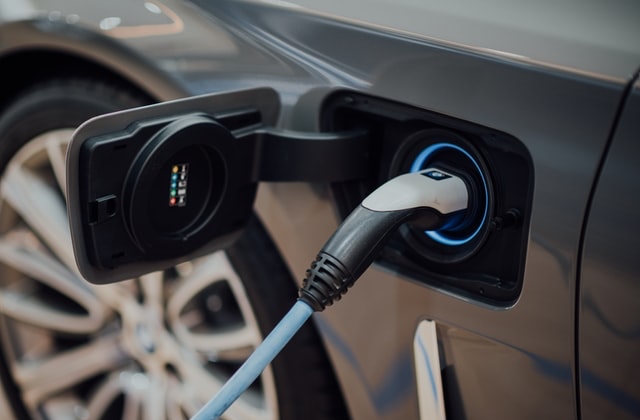
Imported electric cars are set to arrive in South Korea in the coming years. Based on the report, foreign car brands are bringing at least 54 EV models to the country by 2023.
Sales increase for eco-friendly
This country’s imported car association shared this information on Tuesday, July 6. As per The Korea Herald, the new executives and board members of the Korea Automobile Importers & Distributors Association said that as the shift to electrification is becoming more evident in the industry, foreign car companies will further push the changes by bringing more EVs to the region.
“For me, it is not a question of whether or not this trend (of electric vehicles) will continue,” Mercedes-BenzKorea president and vice president of the KAIDA, Thomas Klein, said via virtual conference this week. “I think electrification of vehicles is part of the automotive future. And that will also mean that cars will be available in all price ranges.”
Audi Volkswagen Korea’s managing director and KAIDA’s chairman, Rene Koneberg, added that the number of environmentally-friendly cars that were sold in S. Korea went up to 18.1% last year, and this is a 2.5 percent increase compared to the previous year.
He suggested that the surge was because the companies that are part of the association released 10 imported EV models. For this year, the eco-friendly imported vehicles that were sold from January to April reached 30.6%, and this includes electric vehicles, hybrid cars, and plug-in hybrid EVs.
Why the imported EVs are coming to S. Korea
Yonhap News Agency reported that aside from the 54 electric car models that are coming to S. Korea, KAIDA is also planning to introduce 46 mild hybrid electric vehicles, plug-in hybrid and at least 32 hybrid vehicles in the next two years.
The move to launch these vehicles in the country comes as countries around the world announced their plans to get rid of and totally ban gas-powered vehicles by the year 2040. The declaration was to support the global efforts to reduce carbon emissions that are contributing to the worsening global warming.
The drive to reduce carbon emissions pushed the “paradigm shift" in the auto industry. This is why carmakers today are developing EVs and autonomous cars.
"The next decade will bring the same change to the automobile market as the change carmakers experienced in the past 100 years," Koneberg said.













