


 Anutin’s Bhumjaithai Party Wins Thai Election, Signals Shift Toward Political Stability
  TrumpRx.gov Highlights GLP-1 Drug Discounts but Offers Limited Savings for Most Americans
  Sydney Braces for Pro-Palestine Protests During Israeli President Isaac Herzog’s Visit
  Trump Congratulates Japan’s First Female Prime Minister Sanae Takaichi After Historic Election Victory
  Antonio José Seguro Poised for Landslide Win in Portugal Presidential Runoff
  Federal Judge Restores Funding for Gateway Rail Tunnel Project
  Netanyahu to Meet Trump in Washington as Iran Nuclear Talks Intensify
  Japan Election 2026: Sanae Takaichi Poised for Landslide Win Despite Record Snowfall
  Pentagon Ends Military Education Programs With Harvard University
  India–U.S. Interim Trade Pact Cuts Auto Tariffs but Leaves Tesla Out
  Japan’s Prime Minister Sanae Takaichi Secures Historic Election Win, Shaking Markets and Regional Politics
  Ohio Man Indicted for Alleged Threat Against Vice President JD Vance, Faces Additional Federal Charges
  Trump Backs Nexstar–Tegna Merger Amid Shifting U.S. Media Landscape
  U.S.-India Trade Framework Signals Major Shift in Tariffs, Energy, and Supply Chains
  Nicaragua Ends Visa-Free Entry for Cubans, Disrupting Key Migration Route to the U.S.
  Trump Lifts 25% Tariff on Indian Goods in Strategic U.S.–India Trade and Energy Deal
  New York Legalizes Medical Aid in Dying for Terminally Ill Patients


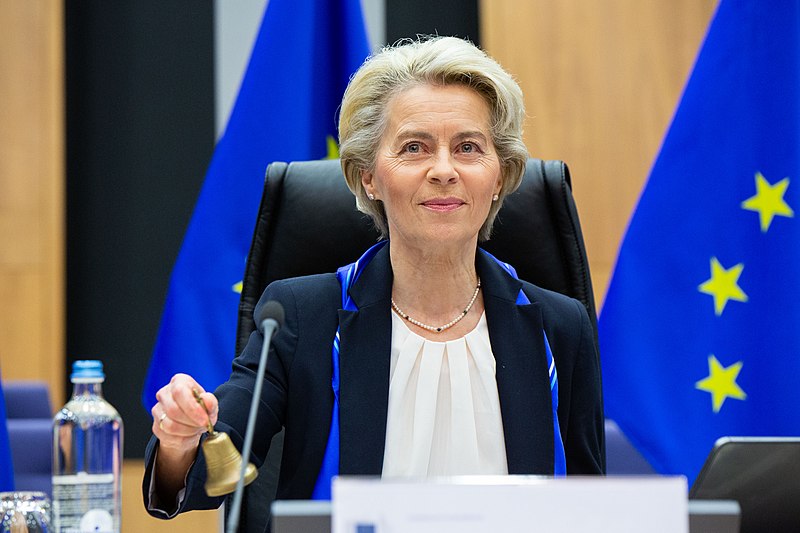
The two major blocs of the European Union and the Association of Southeast Asian Nations held their first summit this week. Both regional groupings agreed to deepen economic ties as well as reaffirm the respect for Ukraine’s sovereignty and territorial integrity.
The leaders of the 27 EU countries and nine leaders of the 10-member ASEAN grouping held their first summit which also marked 45 years of diplomatic relations between the two regions. Only the military junta leaders of Myanmar were not included in the conference. Both blocs discussed areas of future cooperation such as trade, green and digital transitions, and health.
The EU and ASEAN have also signed a deal to allow their airlines to expand their services easily. Both blocs also reaffirmed their commitment to a rules-based international order.
The EU Commission President Ursula von der Leyen announced a $10.65 billion commitment to 2027 for investment and infrastructure in ASEAN. The commitment will focus on green projects and connectivity.
The EU intends to expand its trade ties beyond free trade agreements with Singapore and Vietnam and negotiations with Indonesia. The two blocs are each other’s third-largest trading partners, and the summit that took place on Wednesday was the first summit between the two groupings in history.
Von der Leyen and Cambodian Prime Minister Hun Sen said that the ultimate goal was a region-to-region free trade agreement.
The EU was also looking for a strong statement from ASEAN describing the war in Ukraine as an act of aggression by Russia. The statement from ASEAN was similar to the agreement made by the G20 countries at the summit in Indonesia in November in that most of the ASEAN countries condemned the war.
The EU-ASEAN statement also reiterated the importance of peace in the contested South China Sea and expressed concerns about the ongoing coup by the military in Myanmar, as well as tensions in the Korean peninsula.
The $10.65 billion commitment by the EU to ASEAN would span the next five years through the EU’s Global Gateway strategy that was designed to counter China’s growing influence in the region. The EU countries are looking to diversify key supply chains away from China as the war in Ukraine has highlighted the continent’s vulnerable areas.













