


 Toyota’s Surprise CEO Change Signals Strategic Shift Amid Global Auto Turmoil
  Sony Q3 Profit Jumps on Gaming and Image Sensors, Full-Year Outlook Raised
  Once Upon a Farm Raises Nearly $198 Million in IPO, Valued at Over $724 Million
  Indian Refiners Scale Back Russian Oil Imports as U.S.-India Trade Deal Advances
  TrumpRx Website Launches to Offer Discounted Prescription Drugs for Cash-Paying Americans
  Weight-Loss Drug Ads Take Over the Super Bowl as Pharma Embraces Direct-to-Consumer Marketing
  Hims & Hers Halts Compounded Semaglutide Pill After FDA Warning
  DBS Expects Slight Dip in 2026 Net Profit After Q4 Earnings Miss on Lower Interest Margins
  Kroger Set to Name Former Walmart Executive Greg Foran as Next CEO
  Rio Tinto Shares Hit Record High After Ending Glencore Merger Talks
  Missouri Judge Dismisses Lawsuit Challenging Starbucks’ Diversity and Inclusion Policies
  Trump Backs Nexstar–Tegna Merger Amid Shifting U.S. Media Landscape
  Global PC Makers Eye Chinese Memory Chip Suppliers Amid Ongoing Supply Crunch
  SpaceX Prioritizes Moon Mission Before Mars as Starship Development Accelerates
  American Airlines CEO to Meet Pilots Union Amid Storm Response and Financial Concerns
  SoftBank Shares Slide After Arm Earnings Miss Fuels Tech Stock Sell-Off
  Washington Post Publisher Will Lewis Steps Down After Layoffs


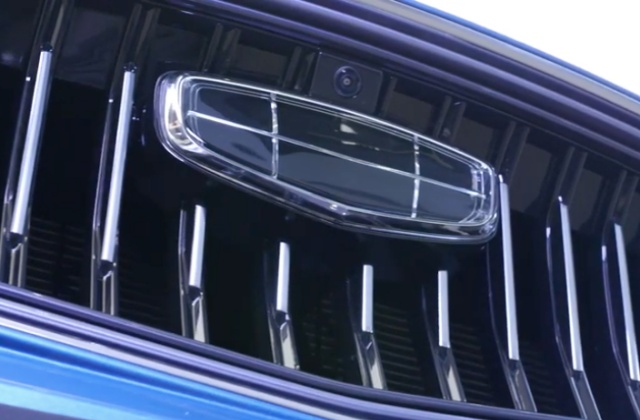
Geely company owned by China's Zhejiang Geely Holding Group, revealed on Jan. 19 that it signed a partnership contract with another Chinese multinational technology conglomerate, Tencent Holdings Ltd.
Geely and Tencent’s plan and goal for the deal
The automaker stated that with the team up, they will be developing technologies to produce a smart vehicle cockpit and autonomous driving. Likewise, Geely and Tencent are working together to create technologies that will allow autonomous vehicles to have better and more mobility service applications.
Reuters noted that this is the latest partnership deal between a tech and car manufacturer as the industry evolves. This is also Geely’s third investment and partnership venture with big companies this year as it continues to get involved in the tech business.
Tencent has investments in the electric car market too. In fact, it has put in money for EV after a tie-up with Tesla. The company also invested in the Chinese EV maker Nio.
Geely’s other deals with premier companies
As mentioned, this is the Hangzhou-based Geely’s third deal. Earlier this month, it revealed the plans to launch electric vehicles together with Baidu Inc.
In a separate venture, Geely also signed a partnership contract with the Taiwanese multinational electronics firm Foxconn. This is also about building electric cars as Foxconn is slowly infiltrating the Chinese EV trade as well.
Foxconn and Geely agreed to invest a 50% stake to achieve their goal of launching EV cars with exceptional technologies. They will be building modern smart EVs with simple operating systems. The latter is launched its EV manufacturing platform last year, so this will be put to use once the project begins.
“The current global automotive industry is undergoing profound changes,” Daniel Li Donghui, Geely’s CEO, said in a statement via South China Morning Post. “We must actively embrace change, build alliances, and synergize global resources to create greater value for our end-users.”
Meanwhile, with Geely and Tencent’s partnership, they will be focusing more on areas including low carbon development, digitalization, autonomous drive, and intelligent cockpits. The target is to sell smart cars and offer one-of-a-kind services to the global auto industry.













