


 Iran Says It Closes Strait of Hormuz After Warning Shot at Vessel
  DOJ Subpoenas New York Times Journalists Over Air Force One Leak Report
  HHS Watchdog Reports $5.56 Billion in Healthcare Fraud Recoveries as Enforcement Actions Decline
  Reuters/Ipsos Poll: Most Americans Expect U.S.-Iran War to Be Prolonged
  Ukraine, Europe Launch Freyja Missile Shield to Strengthen Air Defense Against Russia
  Republican Senator Lindsey Graham Dies at 71, Leaving South Carolina Senate Seat Vacant
  Trump Administration Hands Over Key Evidence in Minnesota Immigration Shooting Investigations
  Trump to Deliver National Address on Declassified 2020 Election Intelligence
  Trump Recommends Darline Graham for Interim South Carolina Senate Seat
  Iraq PM Visits Washington as U.S. Oil, Gas Deals Take Center Stage
  Minnesota Wildfires Spread as Governor Tim Walz Deploys National Guard
  EU Weighs New Trade Restrictions on Israeli West Bank Settlements
  Brazil Court Bars Flavio Bolsonaro From Visiting Jair Bolsonaro Ahead of Election
  US-Iran Strikes Escalate as Strait of Hormuz Crisis Pushes Oil Prices Higher
  Venezuela Appoints Felix Plasencia to Lead Foreign Relations and Trade
  Iran's Supreme Leader Vows Revenge as Trump Threatens Massive U.S. Military Response
  EU Ministers Split as Support Grows for Ban on Trade With Israeli West Bank Settlements


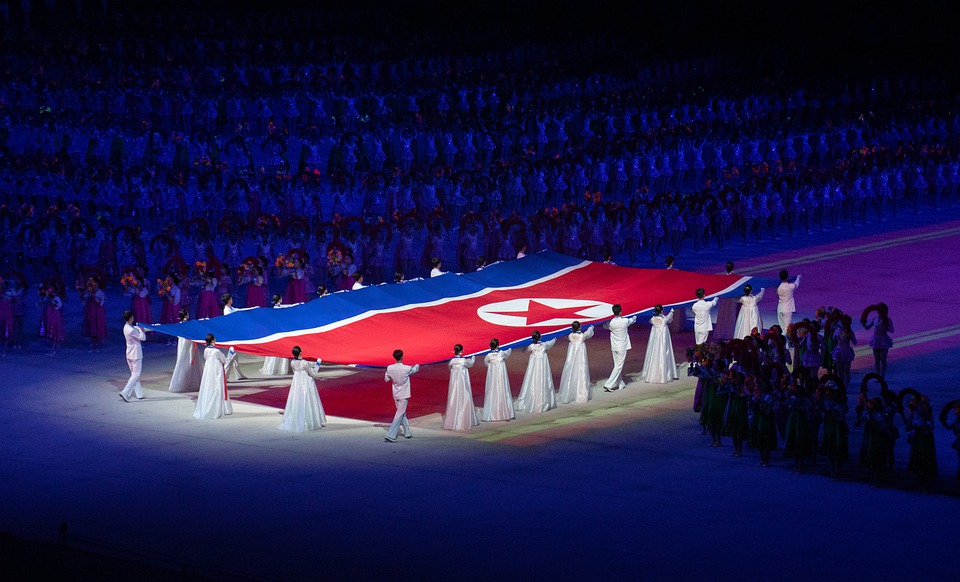
This week, North Korea held its first maskless public event for the first time since declaring a national emergency due to the surge of COVID-19 cases in the isolated nation. The event honored the anniversary of the Korean War armistice and the nation’s veterans.
North Korea held a public event this week honoring the veterans of the 1950-1953 Korean War while celebrating the 69th anniversary of the Korean War armistice. The event was the first maskless event since the national emergency back in May, as the isolated nation looks to move past the pandemic.
Photos of the event were released by North Korean state media Wednesday, showing thousands of attendees at the annual ceremony without masks.
The uniformed veterans and senior members of North Korea’s ruling Workers Party were also in attendance. North Korean leader Kim Jong-un, however, was not present at the event and has not been seen since July 8.
This comes as earlier this month, North Korea said it was on its way to “finally defuse” the COVID-19 crisis in the nation since first publicly declaring an outbreak.
The state news outlet KCNA reported Wednesday 18 new fever cases marking the third consecutive day that reported cases were below 100. The state news outlet also said that 99.99 percent of its 4.77 million fever patients have fully recovered.
South Korea and the United States have expressed concerns that following the multiple weapons tests that North Korea has carried out this year, Pyongyang may be gearing up for its first nuclear test since 2017.
South Korea is using its resources to deter any possible nuclear test from the north by preparing for any preemptive strikes. However, experts say Seoul’s strategy may only worsen the arms race and risk miscalculation in case of conflict.
This comes as South Korean President Yoon Suk-yeol publicly stressed the so-called “Kill Chain” system to counter an attack from North Korea.
The strategy was developed 10 years ago when North Korea ramped up its nuclear program, which would call for preemptive strikes against North Korea’s missiles and possibly the senior leadership should an attack be inevitable.
Experts and former officials say the strategy is logical but poses a lot of risks and is a potentially unreliable approach to counter the nuclear threat by Pyongyang.







