


 Iraq PM Visits Washington as U.S. Oil, Gas Deals Take Center Stage
  HHS Watchdog Reports $5.56 Billion in Healthcare Fraud Recoveries as Enforcement Actions Decline
  US Military Launches New Strikes on Iran, Targets Threats to Strait of Hormuz Shipping
  Trump to Deliver National Address on 2020 Election Intelligence, Voting Machine Security
  UK Sanctions 24 Russian-Linked Targets Over Cyberattacks and Election Interference
  Trump Administration Hands Over Key Evidence in Minnesota Immigration Shooting Investigations
  EU Weighs New Trade Restrictions on Israeli West Bank Settlements
  Russia Launches Missile and Drone Attacks on Kyiv, Zaporizhzhia, and Kharkiv
  Zelenskiy Plans Ukraine Government Shake-Up as Prime Minister Svyrydenko Set to Step Down
  EU Ministers Split as Support Grows for Ban on Trade With Israeli West Bank Settlements
  Trump Administration Bars U.S. Travelers From Congo Flights Amid Ebola Outbreak
  Trump to Deliver National Address on Declassified 2020 Election Intelligence
  Trump Recommends Darline Graham for Interim South Carolina Senate Seat
  Western Allies Push for More Air Defenses for Ukraine at Paris Summit
  EU to Propose New Rules Limiting Children's Access to Social Media
  Reuters/Ipsos Poll: Most Americans Expect U.S.-Iran War to Be Prolonged
  Trump Says U.S. Strikes on Iran Will Continue Until Nuclear Deal Is Reached


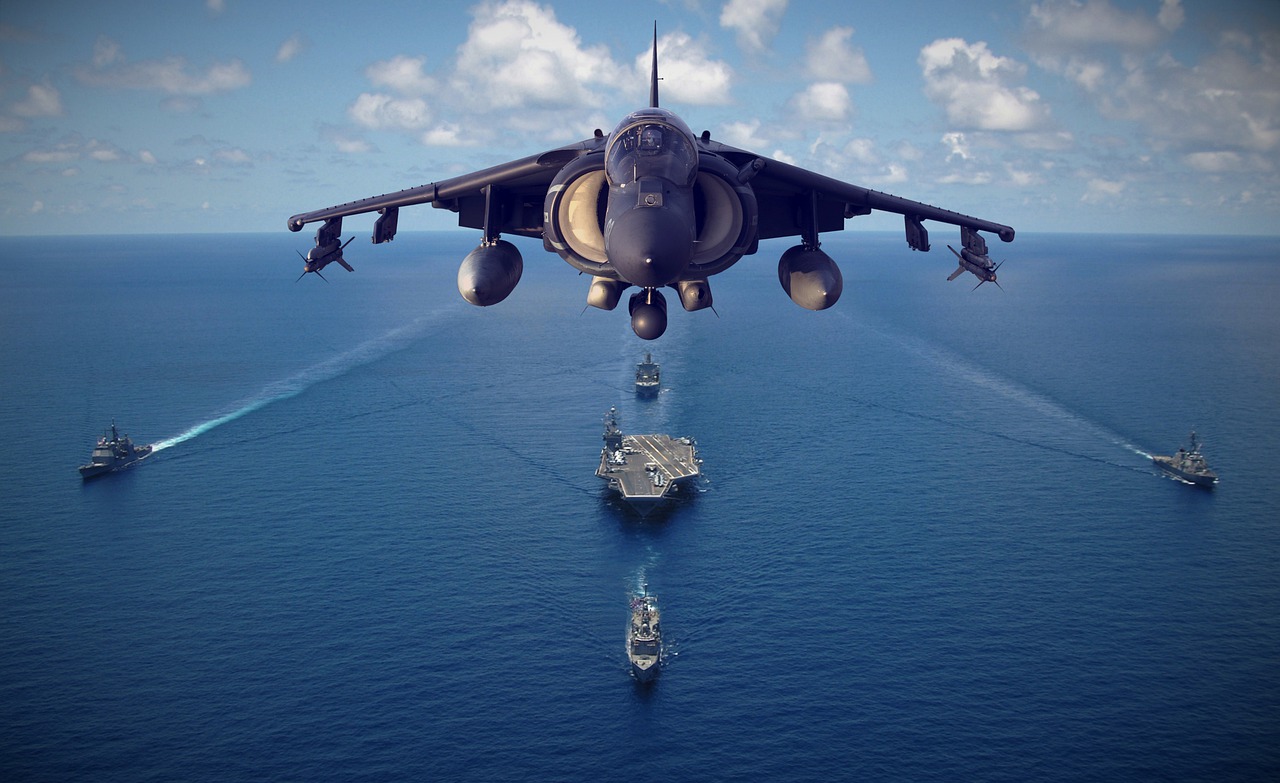
Tensions are rising between nations over the South China Sea as China takes increasingly bolder actions to assert control over the region. Satellite images have revealed that a Chinese ship was seen following the UK carrier groups in the disputed waters.
Satellite photos have shown Beijing increasingly trying to assert its control over the South China Sea, as a Chinese ship was seen following the UK’s HMS Queen Elizabeth and a UK carrier strike group into the waters. This recent move comes months after China threatened to expel any ships that sail too close on the islands it claims to have control over. The HMS Queen Elizabeth has been expected to sail through the South China Sea in a round-the-world tour as part of its maiden voyage.
The UK Carrier Strike Group 21, on the other hand, entered the region through the Bashi channel Monday. Both the carrier group and the HMS Queen Elizabeth took part in joint navy exercises with several countries.
Chinese state-owned media outlet Global Times has previously said that they will carry out their own naval exercises at the same time as the UK and other countries. The warning to the UK also follows an incident where China expelled a US ship, claiming that it illegally entered the waters it controls in the region. The US at the time responded that they were exercising their freedom of navigation rights around the Paracel Islands and that the Chinese military’s claims were false.
China’s claims of sovereignty over almost the entire South China Sea have since angered the surrounding countries, and an international ruling rejected the sweeping claims, citing that there is no basis under international law. China’s sweeping claims also overlap with those of the surrounding countries including Taiwan.
The US and a few other western countries have shown support towards other countries, especially Taiwan, the island nation that China also claims to have sovereignty over. Australia is one of the nations that has shown support towards Taiwan, and China has since threatened Australia with conflict. However, it appears that China now needs the help of Australia as Beijing has been suffering from power shortages, resulting in asking other countries to import coal.
This comes as Chinese President Xi Jinping made a new energy restriction in an effort to reduce carbon emissions. Paired with the weather and skyrocketing demand for Chinese goods, the country faces an energy crisis.







