


 Trump-Xi Summit 2026: U.S.-China Trade War Tensions and Tariff Talks
  Microsoft's $10 Billion Japan Investment: AI Infrastructure and Data Sovereignty Push
  Trump Administration Plans 100% Tariffs on Pharmaceutical Imports
  SpaceX Eyes Historic IPO at $1.75 Trillion Valuation
  Japan's Services Sector Growth Slows in March Amid Rising Middle East Tensions
  U.S. Warplane Shot Down by Iran Amid Escalating Middle East Conflict
  China's Energy Resilience Shields Economy From Global Oil Shock, Goldman Sachs Says
  U.S. Stock Futures Stabilize Ahead of Good Friday as Investors Eye Jobs Report
  U.S. Dollar Climbs as Trump Escalates Rhetoric Against Iran
  Bank of Japan Eyes Further Rate Hikes Amid Middle East Tensions and Inflation Pressures
  Norma Group Posts Revenue Decline in 2025, Eyes Modest Recovery in 2026
  Europe's Aviation Sector on Track to Meet 2025 Green Fuel Mandate
  CTOC Adds 3,000 Doctors, 500 Hospitals Ahead of Liquidity Push
  Nike Beats Q3 Estimates but China Weakness and Margin Pressure Weigh on Outlook
  Paramount Skydance Secures $24B from Gulf Sovereign Wealth Funds for Warner Bros. Discovery Takeover
  Fonterra Admits Anchor Butter "Grass-Fed" Label Misled Consumers After Greenpeace Lawsuit


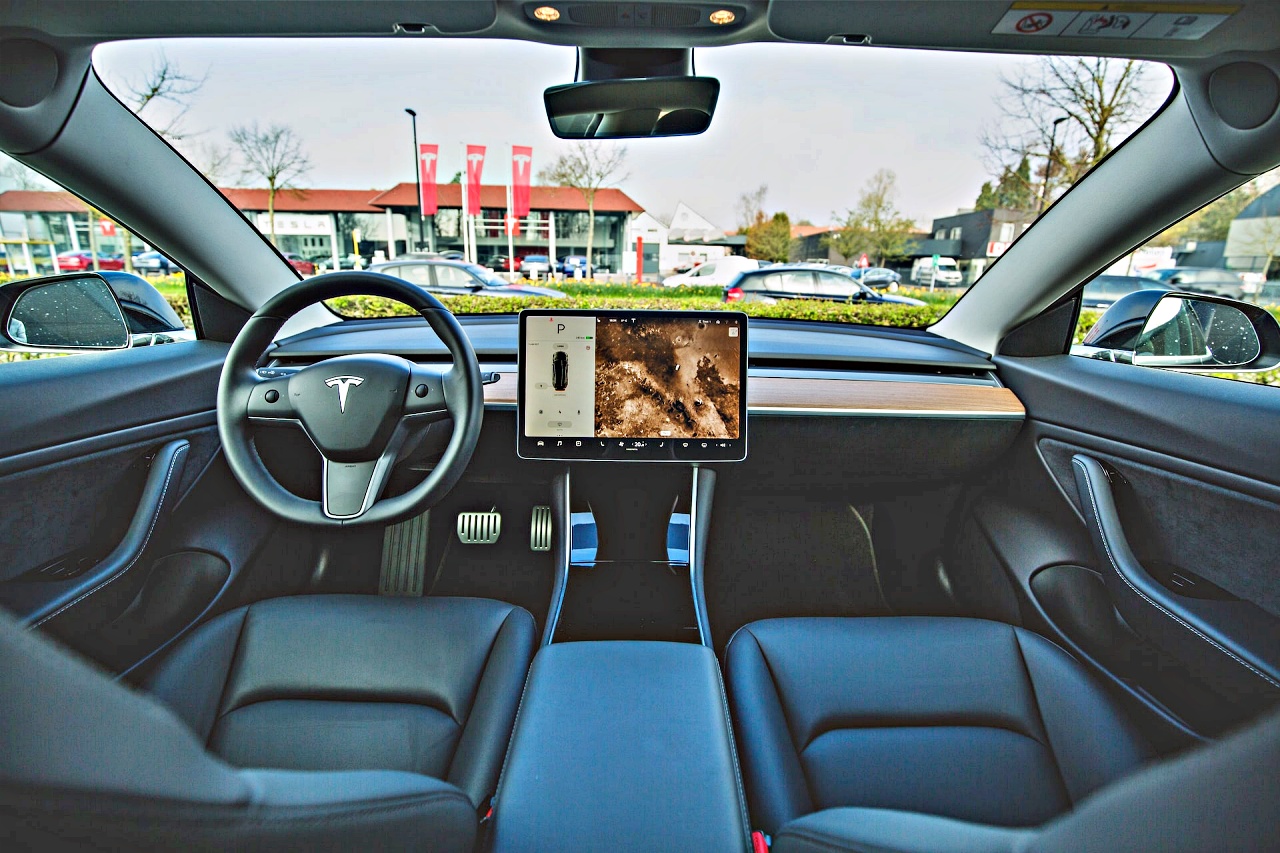
Tesla automotive firm has been fined in South Korea for allegedly posting false advertising that has misled buyers. The country’s Fair Trade Commission (FTC) imposed a KRW2.85 billion or around $2.2 million penalty, which was announced on Tuesday, Jan. 3.
The South Korean anti-trust regulator said Tesla exaggerated the driving range of its electric vehicles and categorized this as an erroneous advertisement. The FTC said that the EV maker did not inform car owners about the sharp drop in mileage when the EVs are driven at sub-zero temperatures. It also said that the company exaggerated the car’s charging speed.
The FTC said that with the misinformation in their ads, both Tesla and Tesla Korea are deceiving the buyers in the country. The penalty that was handed down by the commission was assessed based on the company’s advertising materials, including those on its official website.
The ads were released on August 2019 and included battery performance details which stated that Tesla electric vehicles could drive more than their driving range on a single charge. The FTC said this claim is not true because the numbers posted are inaccurate. Moreover, the driving range of Tesla EVs always drops in cold weather by up to 50.5%, and this is not what it has advertised online.
“The EV maker advertised the car can drive ‘more than’ 446 kilometers once fully charged, however, the battery performed much lower than the company promoted in most conditions,” The Korea Herald quoted the FTC as saying, citing the carmaker’s long-range Model 3 unit.
The agency said that, in reality, the Tesla car is only able to run up to 220.7 kilometers on a single charge while in cold temperatures. The actual number is not even half of the posted information on the ads.
The local anti-trust regulator also pointed out that Tesla used the terms “more than” and “kilometers” instead of “up to” and “miles” in referring to the distance that can be covered by the battery on a single charge.
Finally, the Korean watchdog said Tesla EVs could not be charged within just 15 to 50 minutes to run for “hundreds of kilometers.” The FTC said this claim might be true for some of the company’s Superchargers, but these were not yet available in the country at the time when the ads were released on August 2019, as per The Korea Economic Daily.
Photo by: Bram Van Oost/Unsplash







