


 Asian Markets Surge as Japan Election, Fed Rate Cut Bets, and Tech Rally Lift Global Sentiment
  Oracle Plans $45–$50 Billion Funding Push in 2026 to Expand Cloud and AI Infrastructure
  SpaceX Prioritizes Moon Mission Before Mars as Starship Development Accelerates
  SoftBank and Intel Partner to Develop Next-Generation Memory Chips for AI Data Centers
  Jensen Huang Urges Taiwan Suppliers to Boost AI Chip Production Amid Surging Demand
  Uber Ordered to Pay $8.5 Million in Bellwether Sexual Assault Lawsuit
  Amazon Stock Rebounds After Earnings as $200B Capex Plan Sparks AI Spending Debate
  Alphabet’s Massive AI Spending Surge Signals Confidence in Google’s Growth Engine
  U.S. Stock Futures Rise as Markets Brace for Jobs and Inflation Data
  Dow Hits 50,000 as U.S. Stocks Stage Strong Rebound Amid AI Volatility
  Japanese Pharmaceutical Stocks Slide as TrumpRx.gov Launch Sparks Market Concerns
  Trump Backs Nexstar–Tegna Merger Amid Shifting U.S. Media Landscape
  Washington Post Publisher Will Lewis Steps Down After Layoffs
  Indian Refiners Scale Back Russian Oil Imports as U.S.-India Trade Deal Advances
  Baidu Approves $5 Billion Share Buyback and Plans First-Ever Dividend in 2026
  Nvidia Confirms Major OpenAI Investment Amid AI Funding Race
  U.S. Stock Futures Slide as Tech Rout Deepens on Amazon Capex Shock


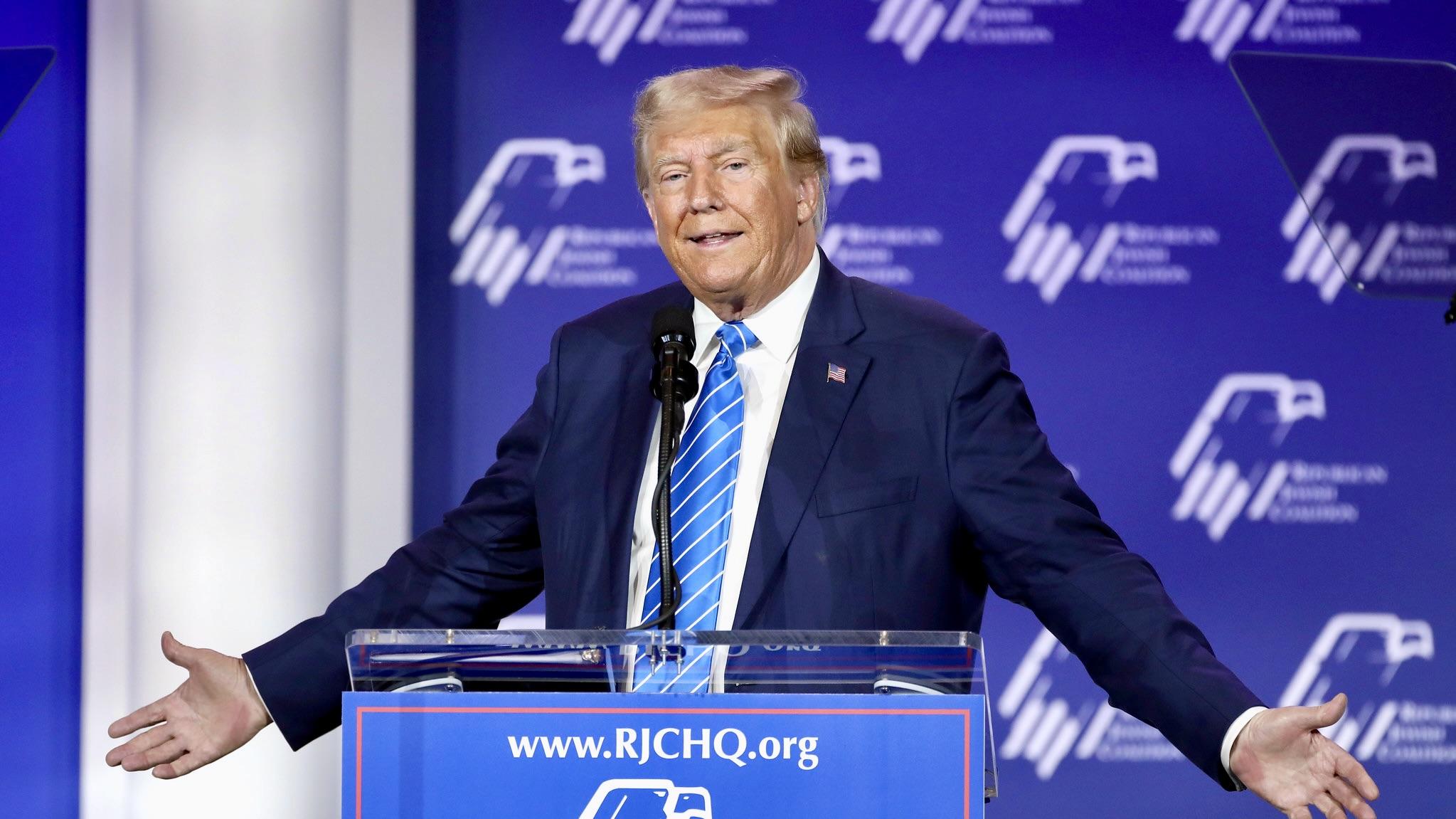
In a bold policy shift, President-elect Donald Trump's administration plans to dismantle Biden-era regulations promoting electric vehicles (EVs) and stringent fuel-efficiency standards, sources reveal—threatening to stall the U.S. transition to cleaner energy.
Trump’s EV Rollback Plans Take Shape
Two individuals close to Trump's transition team have revealed that the new Trump administration intends to repeal federal restrictions that President Joe Biden had pushed for, with the goal of making cars more fuel efficient and encouraging a transition to electric vehicles.
Trump had pledged throughout his campaign to "end the EV mandate," and this would be his second attempt to implement this policy, the first being the repeal of vehicle efficiency regulations enacted by the Obama administration.
There may not be a formal "EV mandate" in place just yet, but rules proposed by the Biden administration would effectively force automakers to switch to EVs at a rate of 35% of total production by 2032 just to fulfill laws, and they would also promote a slow but steady elimination of manufacturing of fossil fuel-powered vehicles.
Biden’s EV Targets Under Threat
U.S. regulations governing fuel efficiency and exhaust emissions were approved earlier this year, but the new administration intends to roll them back.
Government agencies cited in the sources include the EPA and the National Highway Traffic Safety Administration. Those agencies are expected to be explicitly directed by Trump to examine the Biden regulations, according to one of the people.
There was a delay in a response from the Trump transition team.
Bloomberg was the first to report on the decision to roll down Biden's emissions standards for vehicles.
EV Tax Credit Elimination Looms
Another measure that would undoubtedly slow down the already stalled U.S. EV transition would be to eliminate the $7,500 consumer tax credit for electric-vehicle purchases, according to Reuters' exclusive report from last week.
Reversing comparable Obama-era restrictions took roughly three years during the first Trump administration. Trump requested a rule review in early 2017, and in 2018, the National Highway Traffic Safety Administration and the Environmental Protection Agency formally started revising the standards. The less rigorous regulations were not finalized by any agency until March 2020.
Automakers Push Back Against Biden Rules
Automakers have argued that Biden's rules are too burdensome, according to one source, so this is an effort to placate them, Investing.com reports.
Requests for comment were not responded to by General Motors, Ford, Stellantis, or Tesla. Neither did the Alliance for Automotive Innovation, a trade association that represents the majority of major automakers with the exception of Tesla.
The decision to focus on vehicle efficiency standards may hurt Tesla's bottom line. The company has made a killing in previous years by selling credits to other car companies that fail to meet federal vehicle standards or other international emissions laws.
Tesla Faces New Challenges
Since it solely deals in electric automobiles, Tesla is able to sell off the credits it earns from overcompliance with regulations. The value of the credits decreases as a result of the loosened standards.
Among Trump's most ardent supporters, Tesla CEO Elon Musk has emerged as a powerful advisor following the president's victory.
While Joe Biden was in office, Tesla advocated for more stringent rules on vehicle emissions than the EPA finally approved.













