Chinese tech company “Xiaomi” recently unveiled its “Mi Drone,” a quadcopter that is meant to be the cheapest, high-end unmanned aerial vehicle (UAV) in the market. NDTV provides a comprehensive summary of the drone’s features, from the 27-minutes flight time to its automatic recall once the battery runs low. However, there has been no mention of when the “Mi Drone” will be available to U.S. consumers. If it goes the way of the “Mi 5,” the answer might be never.
The “Mi 5” was the affordable smartphone that the Chinese company promised U.S. customers, which could offer similar features as the “Samsung Galaxy S7.” Unfortunately, while the device was quite popular in China, it’s virtually nonexistent stateside.
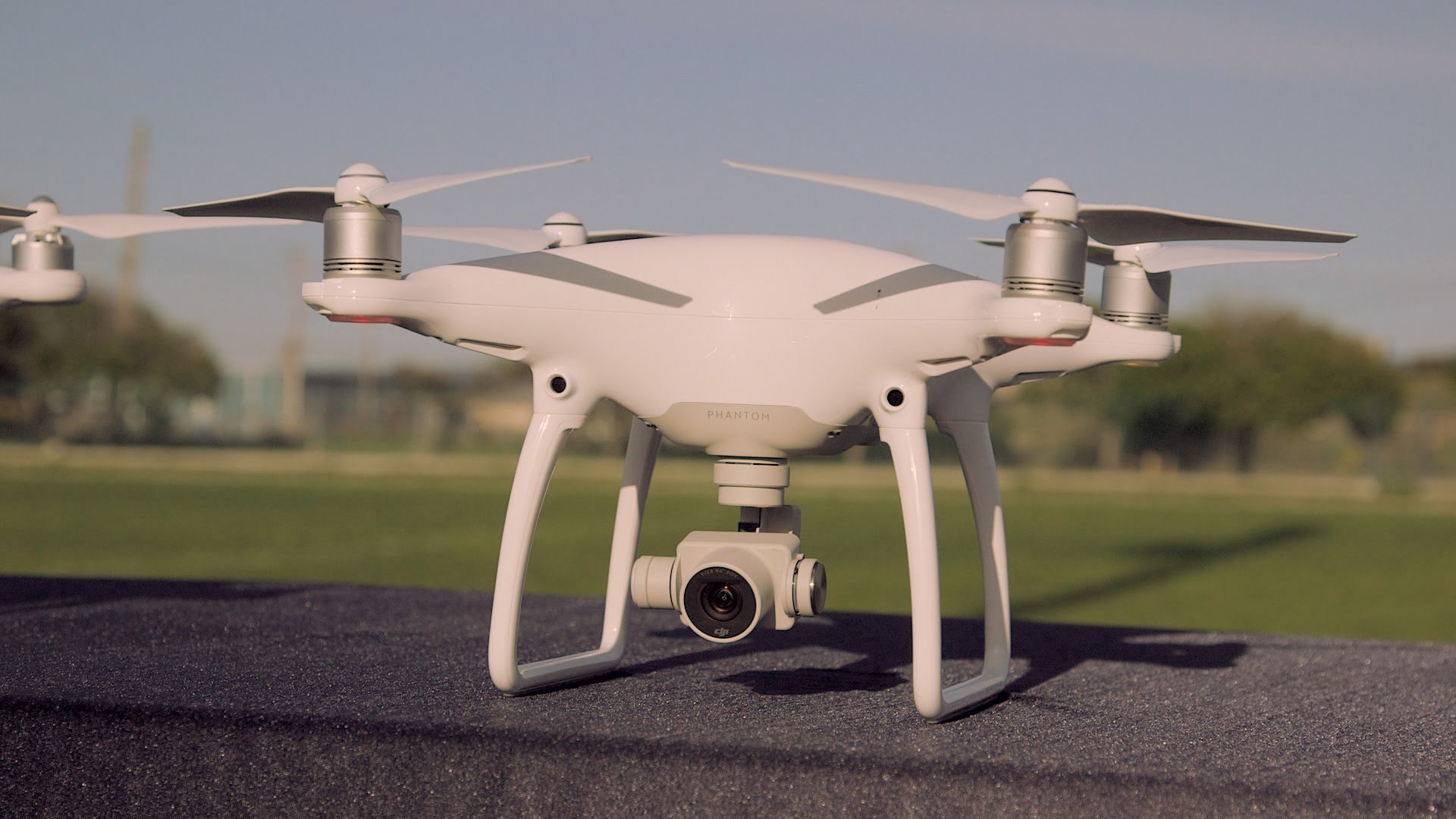
A Mashable article expressed skepticism regarding the possibility of the “Mi Drone” becoming available to the larger American consumer base. This is largely because of the company’s supposed track record of not fulfilling its promises to do so with its previous products. Perhaps exacerbating the issue is the drone’s reportedly excellent features, including a 4K resolution camera and its $457 price tag. In comparison, the “DJI Phantom 4” will cost buyers $1,399.
“DJI” is the dominant force in the drone market at the moment, which is a significant position considering that a Research and Market report estimates industry growth to reach $27 billion by 2021. Its “Phantom” line of drones is quite popular among affluent enthusiasts, largely due to the crisp resolution of the videos they take, as well as neat features like object detection and avoidance.
However, the much cheaper “Mi Drone,” which also offers 4K resolution might just make the difference and place “Xiaomi” at the top. To do this though, it will need to tap the U.S. market, which “DJI” has already done quite successfully. If it can do so, it can also give the budding American drone enthusiast community a boost thanks to its more accessible high-end drone.