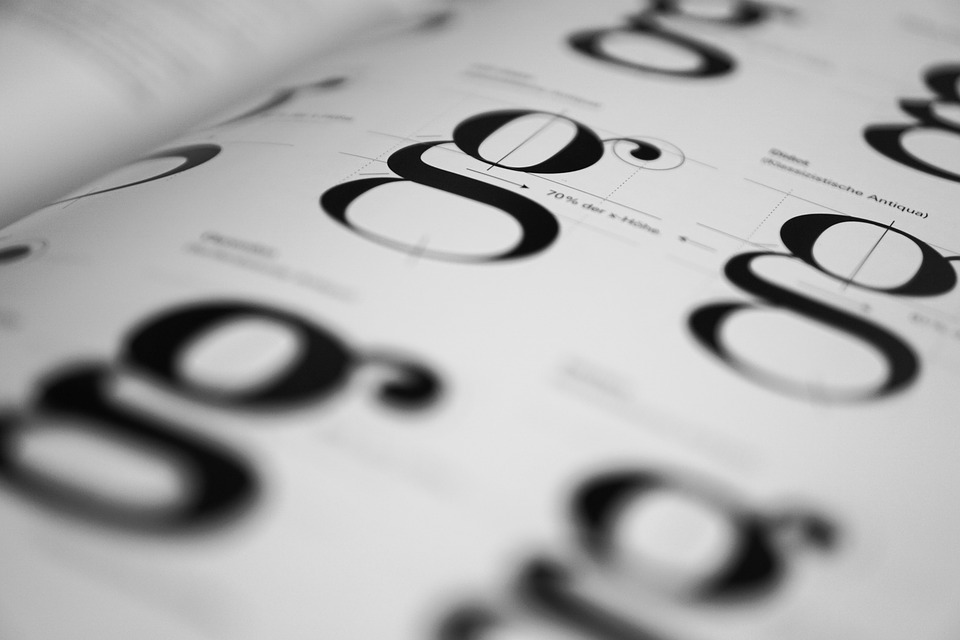
Google just unveiled an ambitious plan to provide just one font that will suit the needs of 800 languages called Noto. These include accounting for the differences in symbolism and syntaxes that often lead to the need for different fonts. It’s one of the least sexy but still essential parts of computing that finally gets its time in the sun.
Noto is just one part of the multi-tier plan by Google to encompass the world with its ever increasing repertoire of services, Tech Crunch reports. It’s bigger, juicier components include artificial intelligence, messaging, maps, and of course, search. However, by providing the world with just one font to use for hundreds of languages and even local dialects, the tech company could be looking at a total game changer that beats under the surface.
The project has been a five-year effort between Google and Monotype, which formed a partnership in order to get the initiative off the ground. Now, the fruit of their labor has come to the market in Open Font License form.
Now, the significance of this achievement is best explained by Google’s head of Internationalization department, Bob Jung. As Wired reports, Jung hates what has come to be known as “tofu,” which is basically the boxes that appear when the computer does not recognize or have the particular glyph or letter that is meant to appear.
Jung’s obsession with “tofu” started back in the 80s when American computers didn’t have the huge database of signs, numbers, and letters that it has now. At the time, seeing the error boxes was quite common when writing anything that’s not composed of the English alphabet.
With Noto, Google hopes to solve one of the biggest barriers to complete computer immersion for the rest of the world. Unfortunately, not many people even know that this problem exists, which is why its significance and impact will most likely be overlooked by the masses.