


 Asian Stocks Plunge as AI Chip Selloff Hits South Korea and Japan
  Apple Intelligence Set for China Launch in December With iOS 27.3
  ASML Raises 2026 Sales Forecast as AI Chip Demand Surges
  US Inflation Surges in September, Raising Fed Rate Hike Bets
  Nvidia’s China AI Chip Market Share Falls to 34% as Huawei Gains Ground
  AI Crypto Payments Surge to 138 Million Transactions on Base
  Gold Prices Mixed Ahead of US Inflation Data and Fed Rate Outlook
  Trump Defends Russian Diesel Deal Amid US Sanctions Backlash
  Anduril Valuation Hits $90 Billion in Employee Share Sale
  Nvidia CEO Jensen Huang Open to Cutting Chip Supply Over Unsafe AI
  AT&T Sells Mexico Wireless Business to Televisa for $2 Billion
  Wall Street Closes Lower as Bank Earnings and AI Concerns Weigh
  MNX Crypto Exchange Launches Futures for OpenAI, Anthropic Valuations
  Moonshot AI Executives Seek Settlement Ahead of Hong Kong IPO
  Oil Prices Surge Above $106 After Deadly Saudi Airport Attack
  Wall Street Falls as Hot US Inflation Fuels Fed Rate Hike Bets
  TSMC Profit Set to Surge 65% as AI Chip Demand Drives Record Earnings


 Add as a preferred source on Google
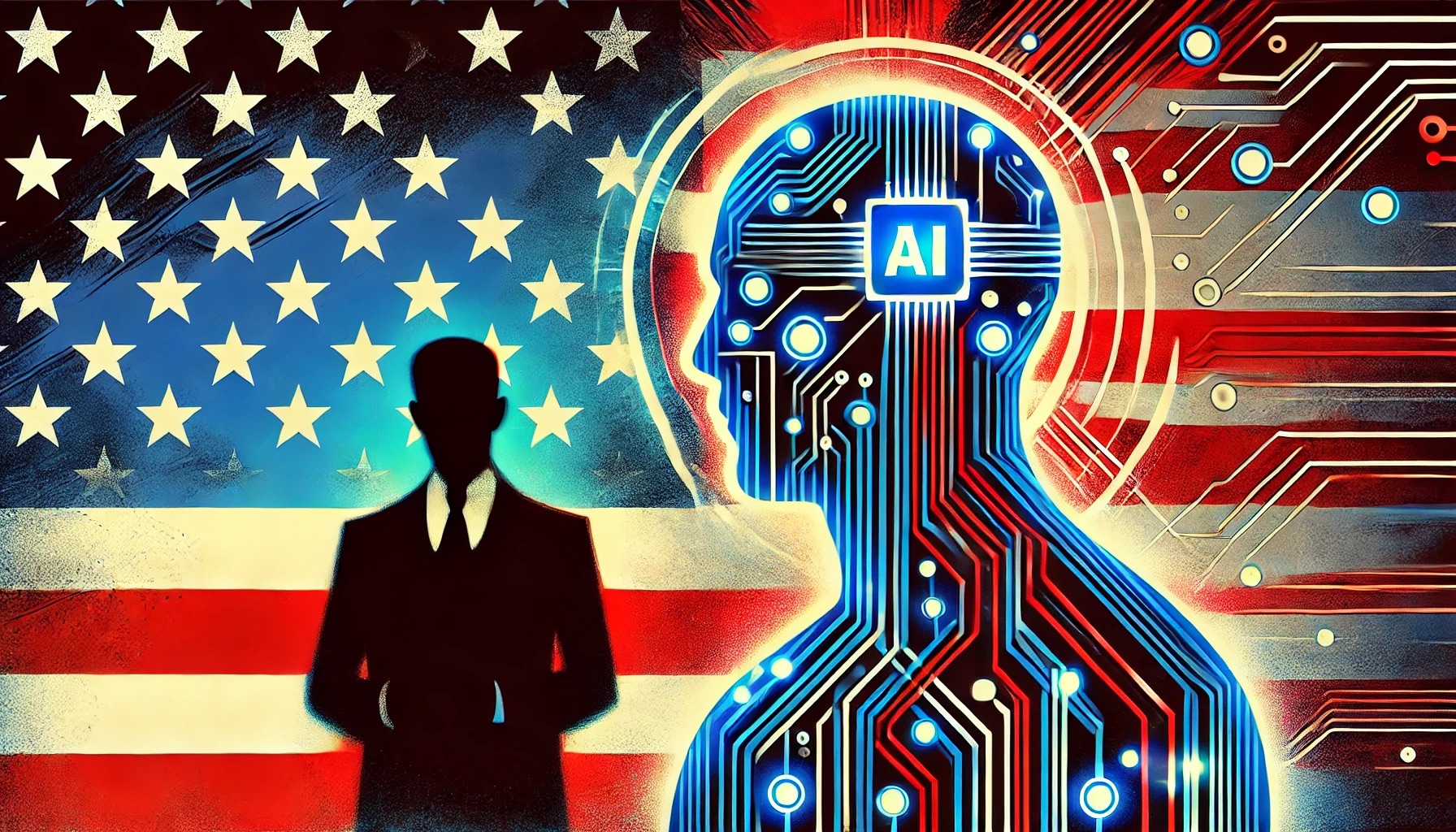
Policymakers are facing tough decisions on AI safety as rapidly evolving technology creates cybersecurity risks and oversight gaps. A US official emphasized the need for industry collaboration to address synthetic content manipulation and other challenges.
AI Safeguards Hindered by Evolving Science
Reuters reports that a huge obstacle stands in the way of policymakers who want to propose AI protections: a field that is still developing.
Elizabeth Kelly, head of the U.S. Artificial Intelligence Safety Institute, stated on Tuesday that developers of AI systems are themselves struggling with the question of how to avoid the exploitation of such technologies, and that there is no simple solution that government authorities can adopt.
Kelly raised the issue of cybersecurity while speaking at the New York City Reuters NEXT conference. According to her, "jailbreaks," or methods to get over the security and other restrictions put in place by AI research facilities, are not hard to implement.
"It is difficult for policymakers to say these are best practices we recommend in terms of safeguards, when we don't actually know which ones work and which ones don't," said Kelly.
Experts in the field of technology are currently arguing about the best way to evaluate and safeguard AI in all its forms.
Cybersecurity Challenges Amplify AI Safety Concerns
The use of synthetic materials is another topic. She expressed her concern that authorities are finding it too easy to manipulate digital watermarks, which show customers when photos are created using artificial intelligence, in order to set industry standards.
Kelly noted that the U.S. AI Safety Institute, which was established during the Biden administration, is working to address these concerns through coalitions of academia, businesses, and nonprofits, which in turn drive the institute's assessments of AI technology.
Per Investing.com, concerning the fate of the organization following Donald Trump's inauguration in January, she stated that AI safety is a "fundamentally bipartisan issue."
Global Cooperation on Interoperable AI Safety Testing
Earlier this month, in San Francisco, Kelly, the institute's first director, presided over the first-ever meeting of AI safety institutions from all over the globe.
With the assistance of more technical, hoodie-wearing specialists than in a normal diplomatic meeting, Kelly stated that the ten member countries were striving toward interoperability safety testing when questioned about the results of these gatherings.
"It was very much getting the nerds in the room," according to her.







