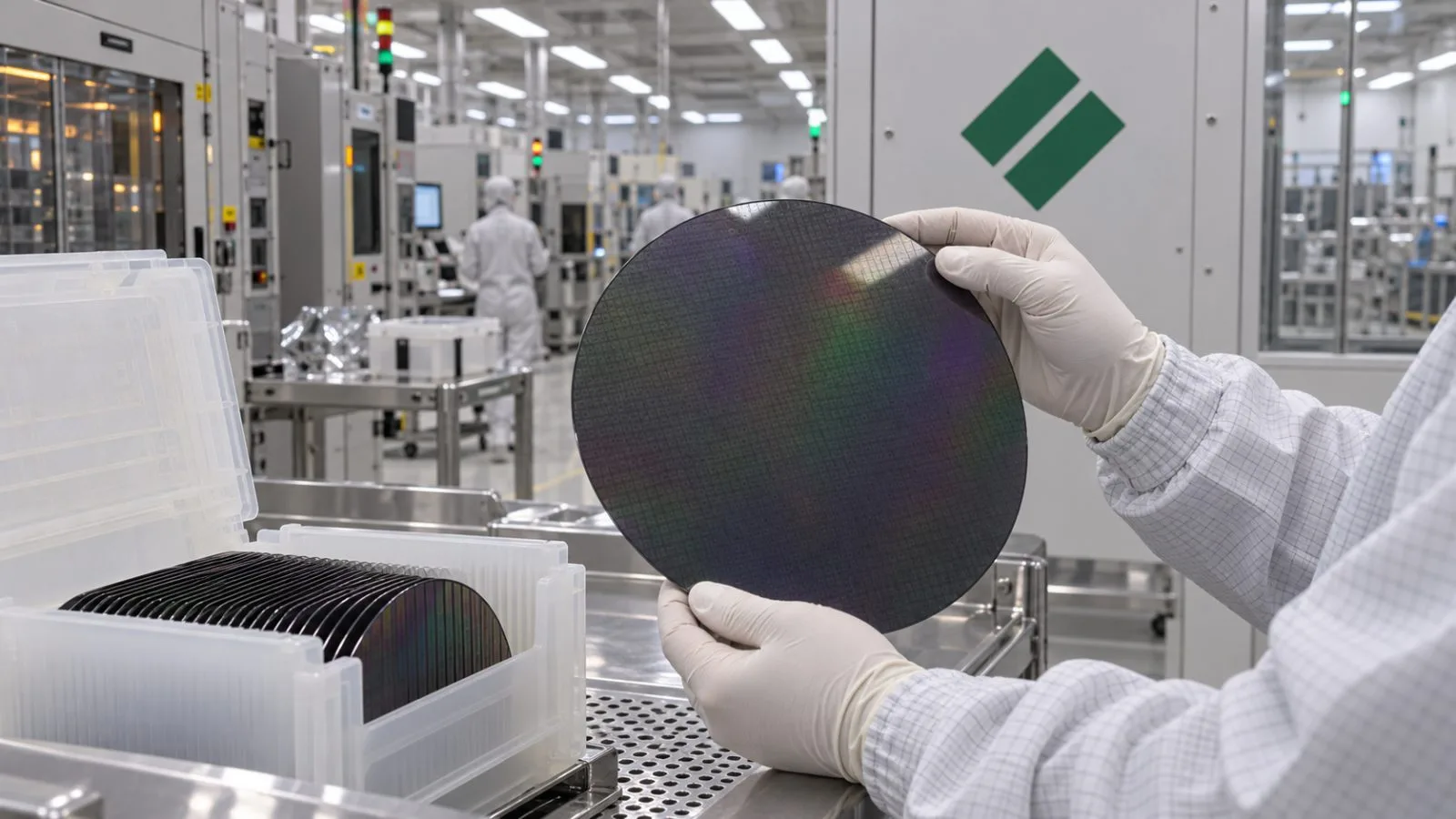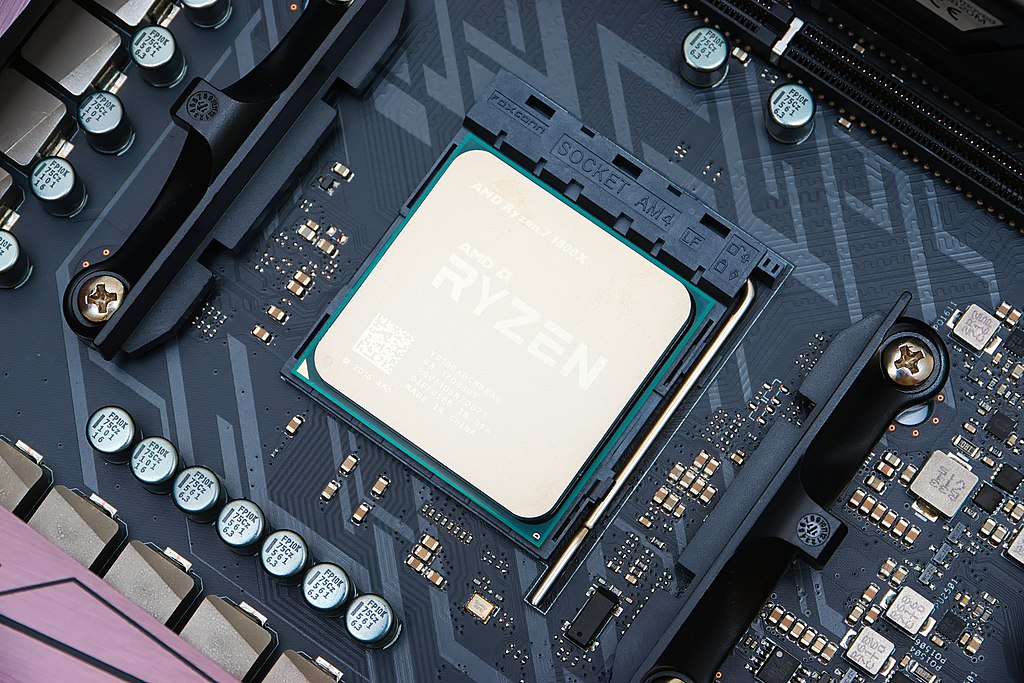
Advanced Micro Devices (NASDAQ:AMD) CEO Lisa Su confirmed on Tuesday that the company is prepared to begin chip production at its Arizona facility. Speaking at National Taiwan University in Taipei, Su emphasized AMD's commitment to scaling up U.S.-based manufacturing, particularly for AI servers, as demand in the artificial intelligence sector continues to surge.
This move comes as geopolitical and economic factors reshape the global semiconductor landscape. Su's statement aligns with the broader trend of tech giants localizing production to mitigate supply chain risks and meet growing domestic requirements.
AMD, a major supplier of PC processors and data center chips, currently relies heavily on Taiwan Semiconductor Manufacturing Company (TSMC) for its chip production. TSMC, the world’s leading contract chip manufacturer, remains a critical partner for AMD, although the Arizona expansion signals a strategic shift toward U.S. self-sufficiency.
The timing coincides with U.S. President Donald Trump’s recent announcement that a new tariff rate on imported semiconductors will be revealed this week. Trump hinted at potential flexibility for certain companies, possibly in response to industry concerns about increased costs and supply chain disruptions.
AMD’s Arizona plant is expected to play a vital role in securing its position in the competitive AI hardware market. As AI adoption accelerates across industries, domestic production of high-performance chips has become a national priority.
The U.S. government has been encouraging semiconductor companies to invest in domestic fabrication through initiatives like the CHIPS Act, offering incentives and grants to reduce dependency on foreign manufacturing.
With its Arizona facility set to go live, AMD is positioning itself to meet both technological and geopolitical demands, bolstering its capabilities in AI chip production while navigating upcoming trade policies.