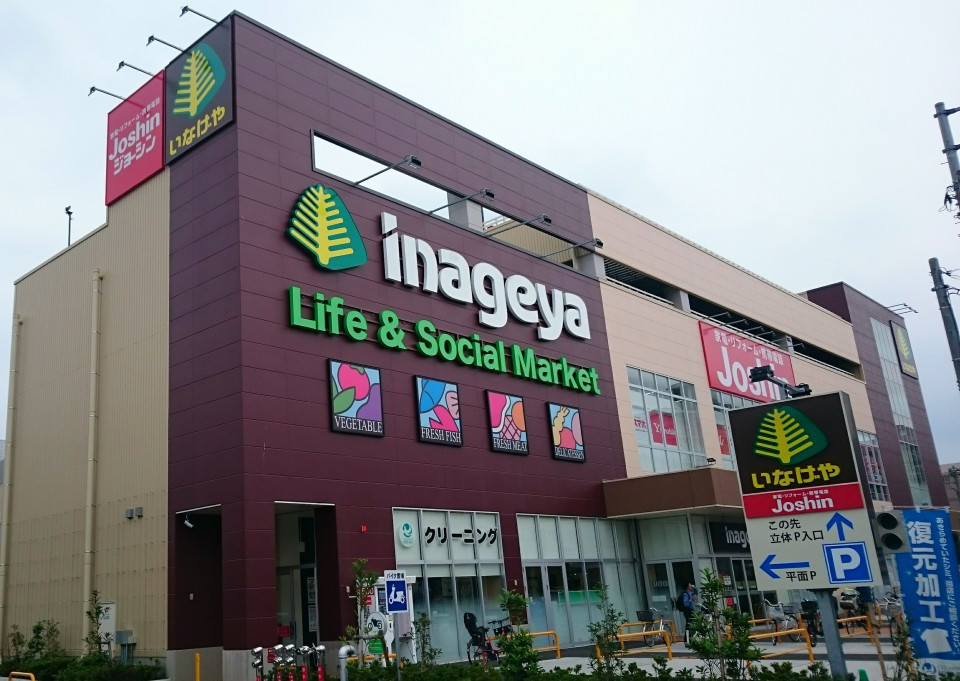
Retail giant Aeon will raise its stakeholding in Japanese supermarket chain Inageya from 17 percent to over 50 percent, making Inageya its subsidiary.
The merger would strengthen Aeon’s presence in the Tokyo metropolitan area, where Inageya has about 270 stores.
The Japanese group aims to make digital-related investments and procurement of goods more cost-effective through the stake increase.
The value of the acquisition has yet to be disclosed.
Upon the transaction’s completion next year, Inageya is expected to be delisted.
Aeon will make additional investments in a few years to make Inageya a subsidiary of United Super Markets Holdings, which owns Kasumi Co., Maruetsu Inc, and MaxValu Kanto Co.
Inageya was founded as a fresh fish merchant in Tokyo in 1900 before becoming the city’s major supermarket chain.


Singapore Budget 2026 Set for Fiscal Prudence as Growth Remains Resilient
Uber Ordered to Pay $8.5 Million in Bellwether Sexual Assault Lawsuit
India–U.S. Interim Trade Pact Cuts Auto Tariffs but Leaves Tesla Out
SpaceX Pushes for Early Stock Index Inclusion Ahead of Potential Record-Breaking IPO
OpenAI Expands Enterprise AI Strategy With Major Hiring Push Ahead of New Business Offering
Prudential Financial Reports Higher Q4 Profit on Strong Underwriting and Investment Gains
South Korea’s Weak Won Struggles as Retail Investors Pour Money Into U.S. Stocks
Global PC Makers Eye Chinese Memory Chip Suppliers Amid Ongoing Supply Crunch
Canada’s local food system faces major roadblocks without urgent policy changes
Why have so few atrocities ever been recognised as genocide?
The American mass exodus to Canada amid Trump 2.0 has yet to materialize
Trump Endorses Japan’s Sanae Takaichi Ahead of Crucial Election Amid Market and China Tensions
Missouri Judge Dismisses Lawsuit Challenging Starbucks’ Diversity and Inclusion Policies
TrumpRx Website Launches to Offer Discounted Prescription Drugs for Cash-Paying Americans
Stuck in a creativity slump at work? Here are some surprising ways to get your spark back
Glastonbury is as popular than ever, but complaints about the lineup reveal its generational challenge 


