


 MI5 Warns of Rising Iran, Russia Threats and AI Bioweapon Risks
  North Korea Fires Ballistic Missiles Amid Rising Tensions With South Korea
  Pakistan Declares Emergency in Khyber Pakhtunkhwa, Suspends Imran Khan’s PTI Government
  US Authorities Raid Ilhan Omar’s Home Amid Immigration Fraud Probe
  Trump Announces Russia-Ukraine Energy Ceasefire as Zelenskiy Awaits Details
  Most Americans Oppose Election Betting on Prediction Markets, Poll Finds
  Greenland Lawmakers Back Trump Security Deal Despite Economic Concerns
  Flavio Bolsonaro Backs Brazil’s 40-Hour Workweek Reform Ahead of Runoff
  Elon Musk Donates $366 Million to 2026 US Midterms
  Zelenskiy Seeks New US Talks to Revive Ukraine-Russia Peace Negotiations
  NATO Commander Warns Russia of Devastating Response to Attack
  India Voter List Protests Reach Supreme Court as Opposition Demands Election Chief's Resignation
  Mahmoud Abbas Postpones Palestinian Elections to September 2027
  Trump Defends Russian Diesel Deal Amid US Sanctions Backlash
  Djibouti Migrant Boat Capsizes, Killing 139 and Leaving 84 Missing
  Trump Sanctions International Criminal Court, Sparking EU Backlash
  European Auto Stocks Rise as EU-China Trade Deal Targets Hybrid Imports


 Add as a preferred source on Google
Most of the international community has yet to decide how to approach Afghanistan’s new government. The war-torn nation is facing a major economic and humanitarian crisis. As a result, Pakistan’s government has announced that it will provide $28 million in humanitarian assistance to Afghanistan.
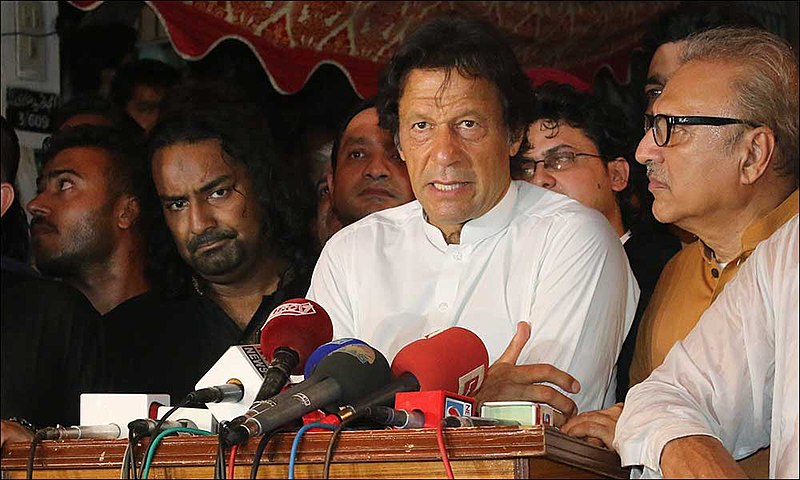
Pakistani Prime Minister Imran Khan announced that $28 million of medical, food, and other humanitarian aid would be brought to Afghanistan. Khan has also announced that he has authorized the transport of food aid from India through Pakistan and to Afghanistan. The announcement followed a meeting by Khan with his army chief along with other high-level officials in Islamabad Monday.
“Ordered an immediate shipment of in-kind humanitarian assistance worth 5 billion Pakistani rupees which will comprise food commodities including 50,000 of wheat, emergency medical supplies, winter shelters, and other supplies,” said a statement from the meeting.
The statement also said that the Pakistani government would lower tariffs and sales tax on certain Afghan imports to Pakistan. India has also provided 50,000 metric tons of wheat as its humanitarian aid to Afghanistan, which will be allowed to pass through Pakistan as soon as arrangements are finalized between both countries. The aid from India was already offered early this month, but India’s foreign minister said that there were some challenges regarding access to Afghanistan.
Pakistan also said that it would facilitate Afghans who are seeking medical treatment in India and have been stranded since the Taliban’s takeover following the withdrawal of the US military and other forces from the country. An Afghan health official delegation is set to visit Islamabad for discussions with their Pakistani counterparts on humanitarian assistance.
The announcement of Pakistan’s pledge of sending humanitarian aid also comes as the United Nations has warned that Afghanistan’s financial system is on the verge of collapsing, according to Reuters. A UN Development Program document obtained by the outlet revealed that Afghanistan’s banks are in dire need of assistance, noting that the negative effects on the Afghans would be severe if no assistance is provided by the international community.
Foreign financial assets were frozen since the Taliban’s takeover of Afghanistan out of concern that the funds would be accessed by the insurgent group.







