


 MI5 Warns of Rising Iran, Russia Threats and AI Bioweapon Risks
  Kim Jong Un Showcases ICBM Ahead of Possible Trump Meeting
  US Condemns China Sanctions on Taiwan Allies Belize and Paraguay
  Trump Denies China, Russia Are Helping Iran in War
  North Korea Fires Ballistic Missiles as Tensions With South Korea Escalate
  European Auto Stocks Rise as EU-China Trade Deal Targets Hybrid Imports
  Trump Sanctions International Criminal Court, Sparking EU Backlash
  Trump Plans White House Shake-Up of Key AI Safety Agency
  Trump Denies Russia and China Are Helping Iran in U.S. Conflict
  NATO Commander Warns Russia of Devastating Response to Attack
  US Authorities Raid Ilhan Omar’s Home Amid Immigration Fraud Probe
  Zelenskiy Says Ukraine Received No Warning Before Russian Missile Attack
  Trump Defends Russian Diesel Deal Amid US Sanctions Backlash
  US Senate Midterms 2026: Key Races That Could Flip Control
  Elon Musk Donates $366 Million to 2026 US Midterms
  Most Americans Oppose Election Betting on Prediction Markets, Poll Finds


 Add as a preferred source on Google
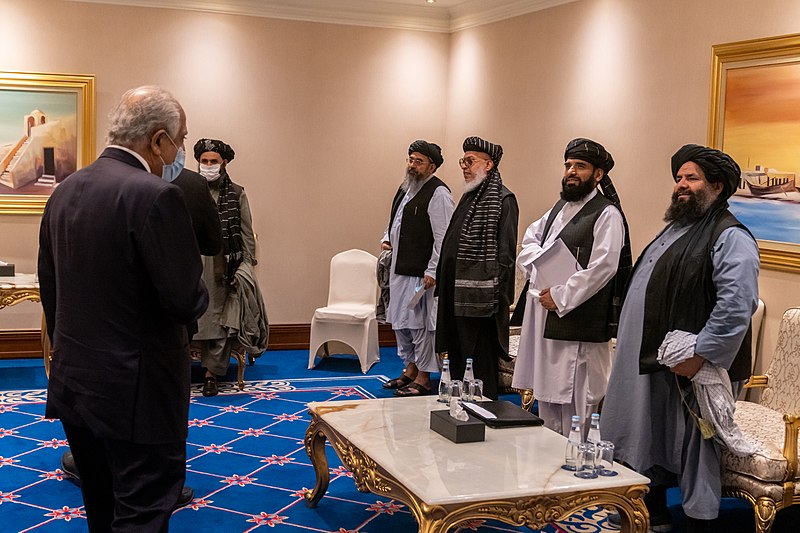
One of the concerns the international community has with the new Taliban-backed Afghan government is its treatment of women and girls. It appears that the insurgent group has no signs of changing in that aspect as it recently ordered local tv channels to stop airing shows featuring female artists.
Over the weekend, the Taliban’s Ministry for the Promotion of Virtue and Prevention of Vice ordered Afghanistan’s television channels to stop airing soap operas or shows that featured women and said that female journalists must wear hijabs in accordance with the group’s interpretation of Sharia Islamic law. This is part of the group’s new set of guidelines in another sign that the Taliban is further restricting women’s rights.
The guidelines also said that films and dramas shown in Afghanistan should not show female artists. The new policy also prevents Afghan television stations from showing men deemed to be indecently exposed or not covered from chest to knees. The ministry explained that the guidelines were to prevent the propagation of “immorality” and airing videos that do not align with Sharia and Afghan principles, asking representatives of tv networks in Kabul to adhere to the guidelines during broadcast hours.
The policy will also prohibit airing satirical shows that “insult” or undermine the dignity of individuals.
Since taking over Afghanistan again in August, the Taliban have pledged to govern in a more moderate manner, unlike the hardline conservative approach they took during their regime from 1996 to 2001. The insurgent group pledged to protect women’s rights but in accordance with Sharia Islamic law. Afghan girls are still banned in most provinces from returning to secondary school.
In the past few months that the insurgent group has been in power, Afghanistan is now on the verge of an economic and humanitarian crisis due to international banks freezing the country’s financial reserves and food shortages. The United Nations Monday pushed to take immediate action regarding Afghanistan’s banks, according to Reuters.
The organization warned that a spike in Afghans that are unable to pay off their loans, lower deposits, and a cash liquidity problem could lead to Afghanistan’s financial system collapsing within a span of months.







