Despite seeking international recognition, the Taliban have instead come under scrutiny over its policies on women and girls since retaking control of Afghanistan. A Taliban official said the group was working to create a safer environment to allow women and girls to work and get an education.
Speaking with Al Jazeera, Sadeq Akif Muhajir of Afghanistan’s Ministry of Vice and Virtue, said Islam grants women and girls the right to go to school and to work. Muhajir also reiterated that the Taliban is working to create a safer environment for women and girls to exercise their rights.
“I must say that Islam has given women the right to education, Islam has given women the right to work. Islam has given women the right to entrepreneurship,” said Muhajir. “If Islam has allowed it, who am I to ban it.”
Muhajir’s comments follow a year since the Taliban took over Afghanistan on the heels of the US and NATO’s military withdrawal from the country along with the collapse of the Western-backed Afghan government.
The insurgent group has since introduced restrictive policies on women and girls, including banning girls from obtaining secondary education.
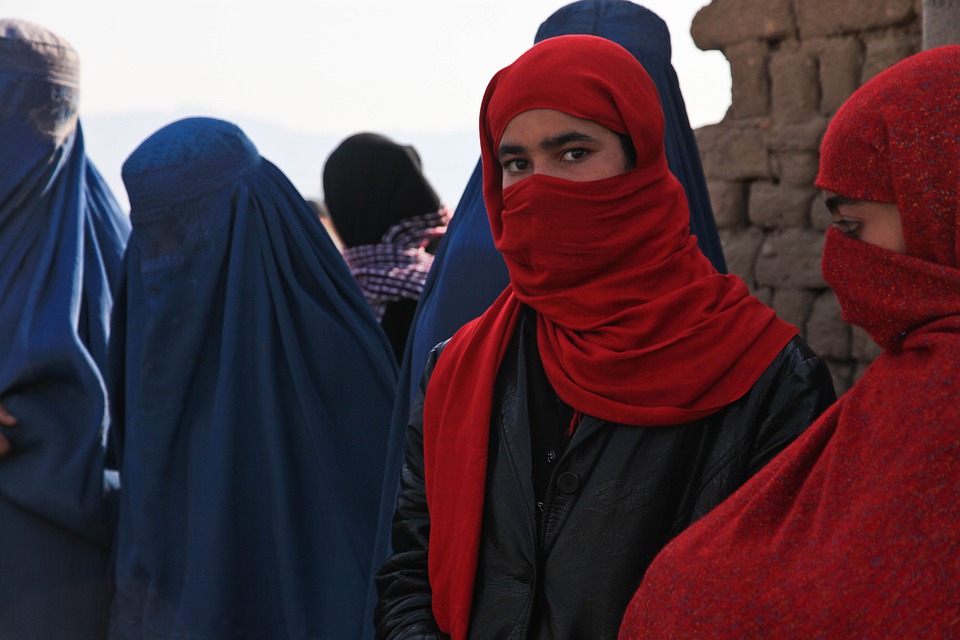
The Taliban has also shut down secondary schools for girls across the country, ordered women to wear hijabs in the workplace and cover their faces in public, and even banned women from travelling long distances without a close male relative.
The policies were a step back from the group’s pledge to uphold women’s rights and freedoms. The Taliban also defended its policies, saying that it was done to preserve “national interest” and women’s “honor.”
Meanwhile, a US official said the Biden administration is temporarily halting the relocation of Afghans to the United States, and instead prioritizing reuniting immediate family members with pathways to permanent residency.
The decision follows criticism from lawmakers, refugee organizations, and veterans groups over the lack of planning for the evacuation of Afghans during the military withdrawal last year.
The official told reporters during a news briefing that the administration remains committed to its Afghan allies, noting that there is no deadline to the commitment.
The revised policy, named Enduring Welcome, is set to take effect on October 1.