Among the concerns that military and intelligence officials have about the Taliban controlling Afghanistan is the possibility of other extremist groups setting up a base in the country. This comes as a US report detailing that the extremist groups are much more focused on shoring up support from within Afghanistan.
Assessments by the US intelligence community and the Pentagon found that for the time being, extremist groups such as Islamic State and al-Qaeda are not ready to use Afghanistan as a base to make attacks against the West. The findings are part of the Pentagon’s Inspector General’s report looking into possible threats that would come from Afghanistan since the insurgent group’s takeover in August 2021.
While the new reports say that there is still the intention among the extremist groups, its leaders are more focused on shoring up support from within Afghanistan rather than using the country as a launchpad.
This finding especially applies to Islamic State Khorasan or IS-K, who have been focused on attacks within Afghanistan. The report cited the group’s attacks at Taliban checkpoints and one particular attack at a military hospital in Kabul that killed at least 25 people and injured more than 50.
“ISIS-K’s targeted attacks on critical infrastructure highlighted the Taliban regime’s inability to provide basic security and worked to delegitimize the Taliban with the local population,” said the report.
The report noted that IS-K likely “exploited anti-Taliban sentiment and governance shortfalls to boost its recruitment, especially among marginalized populations.” The group also reportedly maintains its connections to fighters from other countries, making them a threat to US interests in those countries in Central and South Asia.
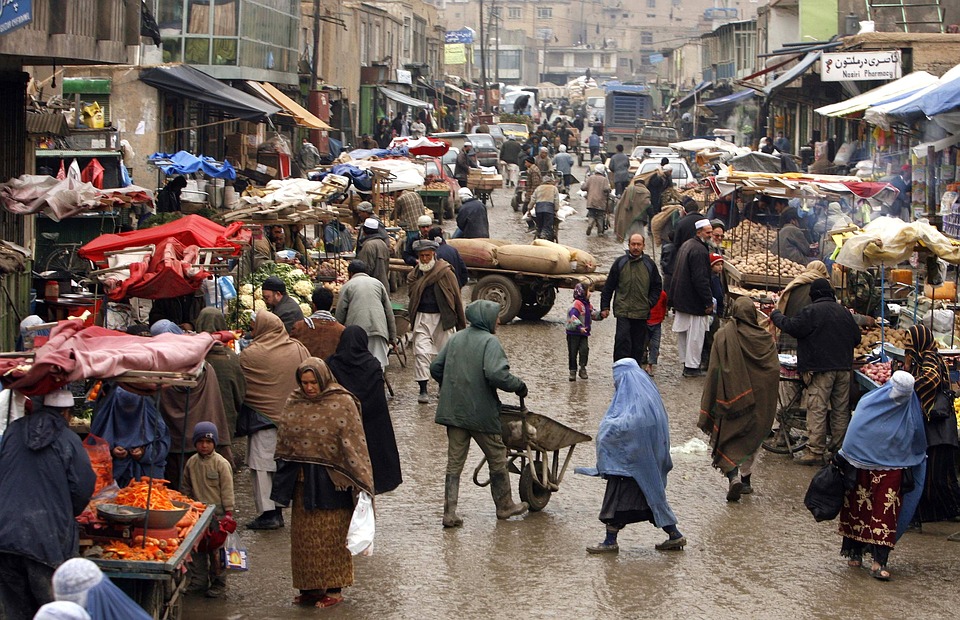
The issue posed by the extremist groups only adds to the humanitarian crisis that Afghanistan is facing. Countries are keen to send humanitarian assistance but are trying to find ways to get the needed aid to the Afghan people without having the funds go through the insurgent group.
Afghanistan’s Foreign Affairs Ministry announced that European representatives have pledged to send $11 million to the country’s educational sector.
This follows the talks between acting foreign minister Amir Khan Muttaqi and the Taliban delegation and representatives of the European Union in Doha Tuesday.