


 Brazil Warns EU of Retaliation Over Animal Products Ban
  ECB Rate Hike in Focus as Oil Tops $100
  Japan, U.S. Discuss $19 Billion GlobalFoundries Chip Plant
  Iran Economic Crisis Forces Afghan Families to Return Home
  US Allies Fear Trump Could Soften Taiwan Stance in Xi Talks
  US Officials Meet Houthis in Oman Amid Yemen Offensive
  Trump Eyes End to Iran War, Plans Gulf Leaders Meeting
  France Urges Faster AI Push Despite Safety Risks
  Google Changes EU Spam Policy Amid Antitrust Scrutiny
  DOJ Will Investigate AI-Related Crimes, Attorney General Blanche Says
  Texas Republicans Turn Against AI Data Centers as Election Backlash Grows
  Yen Extends Gains as BOJ Rate Hike Bets Rise
  Mexico Pushes for US Trade Deal Before Midterms
  US Immigration Arrests Surge as Deportations Lag Behind
  Russian Attack on Balakliia Kills Two, Injures Two
  Najib Razak Granted House Arrest Until 2028


 Add as a preferred source on Google
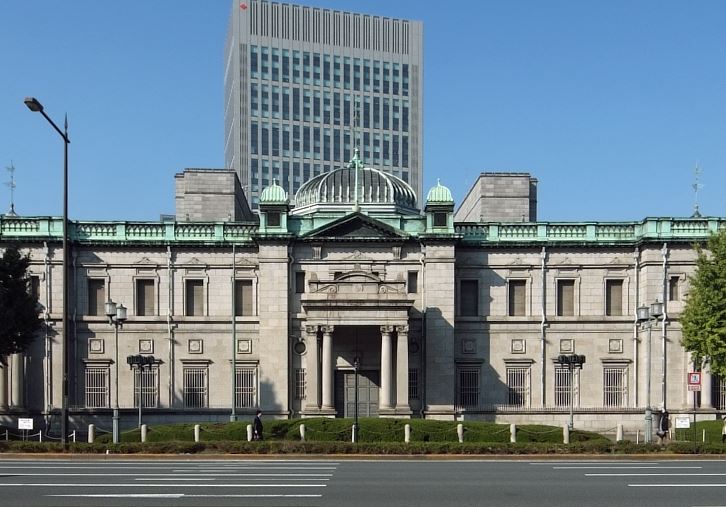
Bank of Japan Governor Kazuo Ueda has warned that rising U.S. tariffs could force the central bank to reconsider its interest rate path, possibly pausing rate hikes if Japan's economy suffers. In an interview with Sankei, Ueda noted that recent developments in U.S. trade policy—particularly under President Donald Trump—are increasingly aligning with the BOJ's worst-case scenario, already dampening business and consumer sentiment.
Ueda stated the BOJ remains committed to raising rates "at an appropriate pace" if inflation and economic trends follow projections. However, he emphasized the need to “scrutinize without pre-conception” how tariffs may impact Japan’s economy, adding that a policy shift could be necessary depending on future developments.
The BOJ will hold its next policy meeting from April 30 to May 1 and is expected to keep rates unchanged. At the same time, it will release updated quarterly forecasts on growth and inflation, incorporating both economic data and business sentiment surveys.
Japan's export-driven economy faces risks as U.S. tariffs threaten trade flows and consumer confidence. Ueda highlighted that while domestic food inflation is expected to ease and real wages may turn positive mid-year, uncertainties remain. He noted both upside and downside risks to inflation, pointing out that supply chain disruptions could push prices higher, but rising living costs might also dampen consumption.
Since ending its ultra-loose monetary policy last year, the BOJ raised interest rates to 0.5% in January—its first hike in over a decade. While many analysts still expect a gradual tightening cycle, growing global uncertainties, especially from U.S. trade policy, may delay further rate increases.
Ueda concluded that the BOJ will carefully monitor market movements and economic indicators before making any further policy decisions.







