


 Australia Tightens Student Visa Rules, Targets Migration Cut by 2028
  Venezuela Nears Deal to Move $4 Billion in Gold to New York Fed
  Saudi Arabia Shuts East-West Oil Pipeline After Drone Attack
  Trump Bans CNN, MS NOW and Politico From White House
  Appeals Court Rejects Trump Third-Country Deportation Policy
  Paris Talks Focus on Lebanon Army Needs as UNIFIL Exit Looms
  South Korea’s Lee Rules Out Military Role in Middle East War
  France Targets Shein, Temu With Fast-Fashion Fees
  Pentagon Restarts Testosterone Testing for US Troops
  Bessent Presses Japan on Fiscal Policy as Yen Struggles
  Trump Administration Removes Confederate Memorial Criticism From Arlington Website
  UN Allows Mahmoud Abbas Video Address After US Visa Denial
  NATO Commander Joins US Review of Troop Deployments in Europe
  North Korea Vows to Expand Nuclear Arsenal Amid U.S.-Led Military Buildup
  FDA Names Permanent Drug and Biologics Center Chiefs
  US Allies Fear Trump Could Soften Taiwan Stance in Xi Talks
  Judge Blocks Trump Rule Limiting Foreign Student Visas


 Add as a preferred source on Google
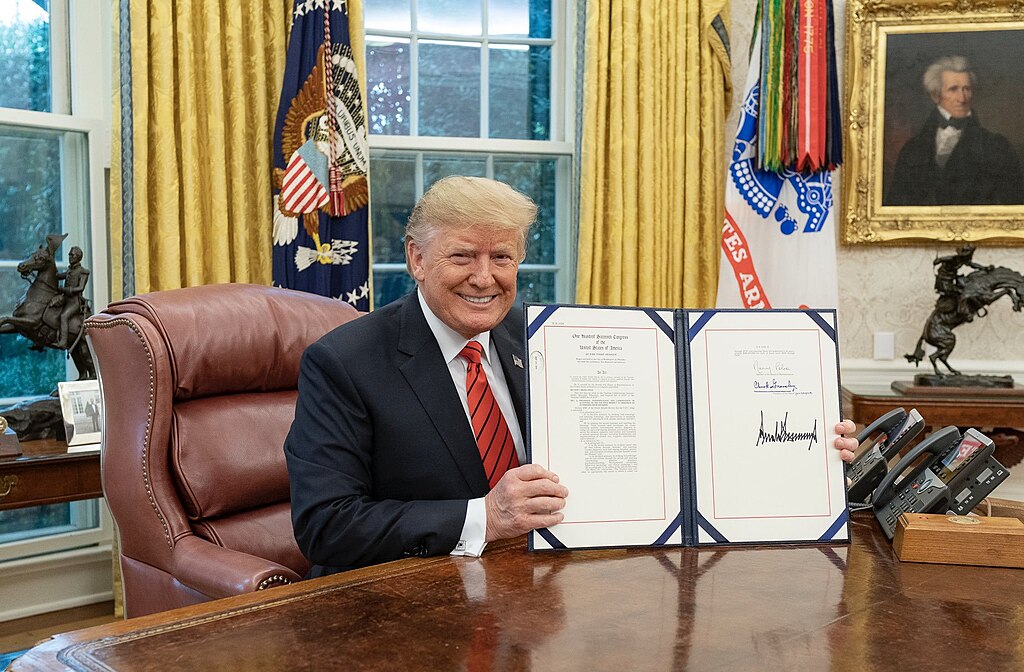
President Donald Trump signed an executive order on Tuesday requiring federal agencies to prioritize the use of commercially available products and services over custom-built, non-commercial solutions. The White House stated that this move is aimed at increasing government efficiency, reducing costs, and streamlining procurement processes.
Under the new directive, agency contracting officers must conduct a review of all pending contracts that include non-commercial products or services. Within 60 days, they are expected to submit detailed waivers justifying the continued use of such specialized solutions if deemed necessary. This review process is designed to ensure that taxpayer money is spent more effectively by leveraging widely available, market-tested solutions.
The White House emphasized that the order supports a broader effort to modernize federal procurement practices. By focusing on commercial solutions, the administration hopes to encourage innovation and reduce delays often associated with customized government contracts. The move is also expected to enhance vendor competition and increase access for private sector companies, particularly small and mid-sized businesses, to participate in federal contracting.
The executive order builds on Trump’s ongoing push to reform how the federal government operates, including measures to cut bureaucratic red tape and eliminate wasteful spending. It aligns with past efforts to make government more accountable and responsive to the American people.
This policy shift could have a significant impact across federal agencies, especially those involved in technology and defense contracting, where custom-built solutions have been common. The administration believes embracing commercial products will ultimately lead to faster, more cost-effective delivery of essential services.







