Global airlines scrambled to address an unexpected Airbus A320 software glitch that triggered a partial recall and forced hundreds of flight cancellations across Asia and Europe, with potential ripple effects in the U.S. during one of the busiest travel weekends of the year. Regulators required airlines to apply an urgent software rollback before flights could resume, prompting carriers worldwide to work overnight to avoid widespread disruptions.
Major operators including American Airlines, Delta Air Lines, Air India, and Wizz Air reported rapid progress, with many stating that operations remained largely unaffected. U.S. Transportation Secretary Sean Duffy reassured travelers that no major delays were expected as affected carriers aimed to meet the Sunday midnight deadline.
The recall followed a JetBlue incident on October 30, where an unexpected loss of altitude linked to possible solar flare interference injured 10 passengers. AirbusCEO Guillaume Faury issued a public apology, acknowledging the impact on both airlines and passengers. The recall affects over 6,000 A320-family jets, more than half of the global fleet.
Despite the scale, analysts noted the timing helped minimize chaos. Many Asian and European carriers were winding down operations when the alert hit, offering them time to complete the two- to three-hour fix required for each aircraft. Some older planes may also require hardware replacement, though Airbus later clarified that fewer than initially estimated would need this more complex repair.
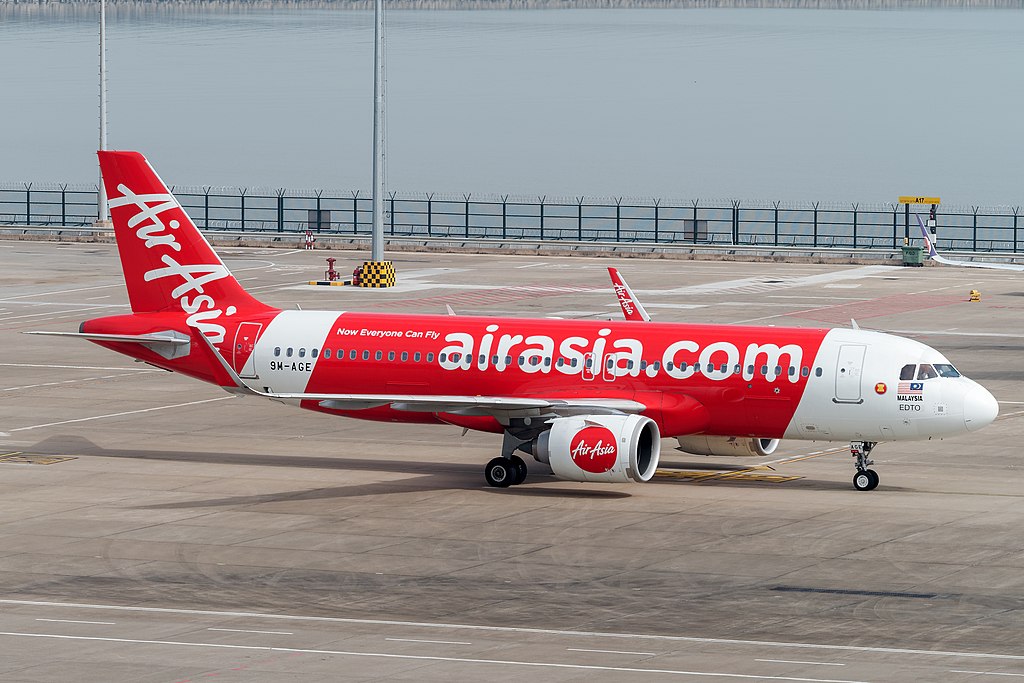
Airlines across Asia—including IndiGo, ANA Holdings, and AirAsia—worked intensely to complete updates, while carriers like Flyadeal credited fortunate timing for avoiding larger disruptions. In Europe, Wizz Air successfully updated all impacted aircraft overnight.
Although the situation created short-term operational challenges amid global labor and parts shortages, early action helped limit delays worldwide. Industry experts say the financial impact will be relatively mild, especially in Europe, where the recall falls before the peak holiday and ski seasons.