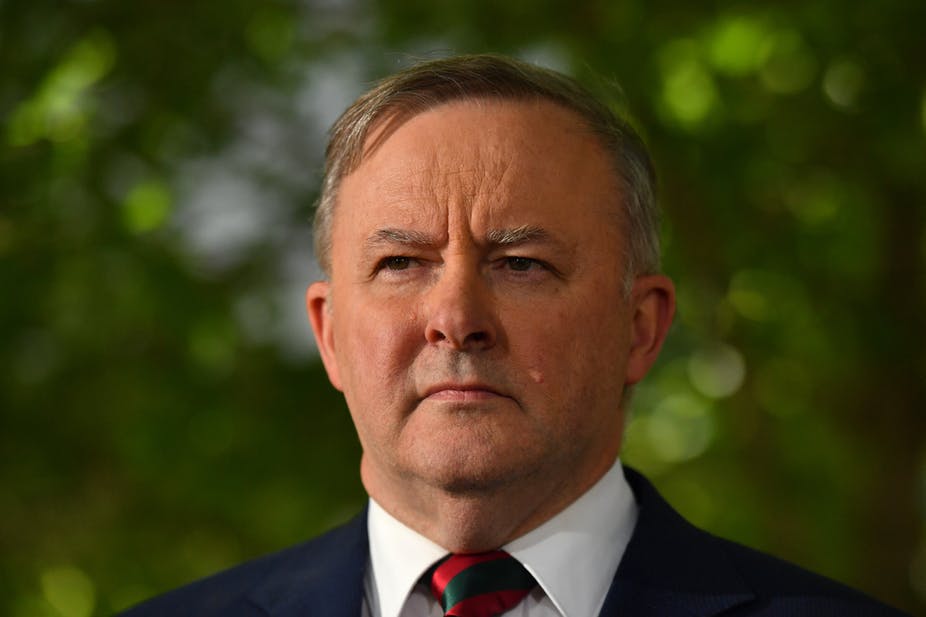
Australian Prime Minister Anthony Albanese emphasized the need for joint action with China to tackle global steel overcapacity during a high-level meeting with business leaders in Shanghai. Speaking on Monday, Albanese underscored the importance of a sustainable and market-driven steel industry amid growing international concerns over China's surging steel exports.
“As both countries cooperate to advance decarbonisation, we also need to work together to address global excess steel capacity,” Albanese stated at the event. “It is in both countries’ interest to ensure a sustainable and market-driven global steel sector.”
His remarks come as China’s steel exports remain robust, helping offset weak domestic demand but raising alarm in countries facing an influx of low-cost Chinese steel. This overcapacity has sparked global complaints from governments and manufacturers struggling to compete with cheap imports.
Albanese’s visit marks a significant diplomatic engagement aimed at strengthening Australia-China economic ties while addressing key trade and security issues. The trip includes stops in three major Chinese cities. Following his Shanghai engagements, Albanese will travel to Beijing for an annual leaders’ dialogue with Chinese Premier Li Qiang and participate in a roundtable with major companies. His final stop will be in Chengdu, located in China’s southwest.
The visit reflects a broader effort by Australia to balance economic cooperation with strategic concerns in the Indo-Pacific. Albanese’s push for joint solutions on steel capacity signals Canberra’s intent to play a constructive role in global industrial reform while supporting fair competition.
The visit is closely watched by international markets, as decisions around steel exports and trade policies between the two nations could have far-reaching impacts on global supply chains, manufacturing competitiveness, and decarbonisation efforts.