


 US Justice Department Drops Prosecution of Ex-CIA Analyst Sue Mi Terry
  CNN, Politico and MS NOW Seek Court Order Blocking Trump White House Ban
  Supreme Court Takes Up Exxon, Suncor Climate Case
  Maduro, Wife May Face New US Torture Charges
  Lincoln University Students Sue Missouri Over Decades of Underfunding
  ICC Rules Duterte Fit to Stand Trial in Drug War Case
  US Charges Maduro and Wife With Torture Conspiracy
  Florida Seeks Tougher Meta Rules to Protect Young Users
  US Authorities Raid Ilhan Omar’s Home Amid Immigration Fraud Probe
  Kalshi Seeks Sixth Circuit Review of Sports Betting Ruling
  Arm Shares Fall Over 3% After Qualcomm Wins License Dispute
  Colombia Extradites FARC Dissident Leader ‘Spider’ to US
  JD Vance Questions Pentagon Plan to Livestream Fort Hood Shooter’s Execution
  Trump Sanctions International Criminal Court, Sparking EU Backlash
  CVS Pharmacy Agrees to $315 Million Opioid Settlement


 Add as a preferred source on Google
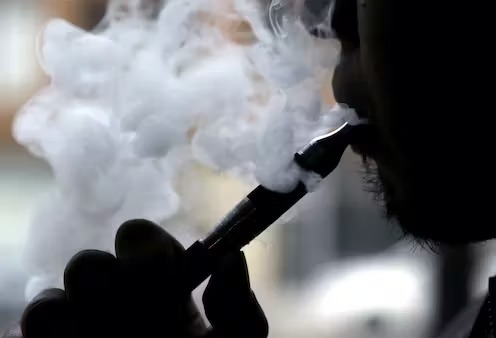
The federal government is declaring war on vaping, announcing measures to stamp out its recreational use – especially among the young – including by stronger legislation and enforcement action.
In a tough message to be delivered on Tuesday, Health Minister Mark Butler declares: “Vaping has become the number one behavioural issue in high schools. And it’s becoming widespread in primary schools.”
The government will work with the states and territories to clamp down on the increasing black market in vaping, including to stop the illegal import of non-prescription vapes.
The minimum quality standards for prescription vapes will be increased, with restrictions on flavours and colours.
Prescription vapes will have to come in “pharmacy-like packaging” (following the example of plain packaging for cigarettes). The permissible nicotine concentrations and volumes will be reduced, and single-use, disposable vapes will be banned.
The governments will work with other jurisdictions to shut down the sale of vapes, ending sales at convenience stores and other retailers. But it will also make it easier for people to get a prescription for legitimate therapeutic use.
Next week’s budget will provide $234 million to address smoking and vaping.
In an extract released ahead of delivery of his National Press Club speech, Butler warns the gains made in the fight against smoking “could be undone by a new threat to public health”.
“Vaping was sold to governments and communities around the world as a therapeutic product to help long-term smokers quit,” Butler says.
“It was not sold as a recreational product - especially not one for our kids. But that is what it has become: the biggest loophole in Australian history.
"One in six teenagers aged 14-17 has vaped. One in four people aged 18-24 has vaped.
"By contrast, only one in 70 people my age has vaped.
"And when more than a thousand teenagers aged 15 to 17 were asked where they could get vapes, four out of five of them said they found it easy or somewhat easy to buy them in retail stores.
"This is a product targeted at our kids, sold alongside lollies and chocolate bars,” Butler says.
“Over the past 12 months, Victoria’s poisons hotline has taken 50 calls about children under four becoming sick from ingesting or using a vape.”
Butler says that just as with smoking, “Big Tobacco has taken another addictive product, wrapped it in shiny packaging and added flavours to create a new generation of nicotine addicts.
"Vapers are three times as likely to take up smoking, which explains why under 25s are the only cohort in the community currently recording an increase in smoking rates.
"This must end,” Butler says.
The budget money includes $63 million for a public health campaign to discourage people taking up smoking and vaping and encourage quitting. Some $30 million will be put into support programs to help people quit, and into education and training for health professionals.
Another $140 million will go to the Tackling Indigenous Smoking program, including widening it to tackle vaping.







