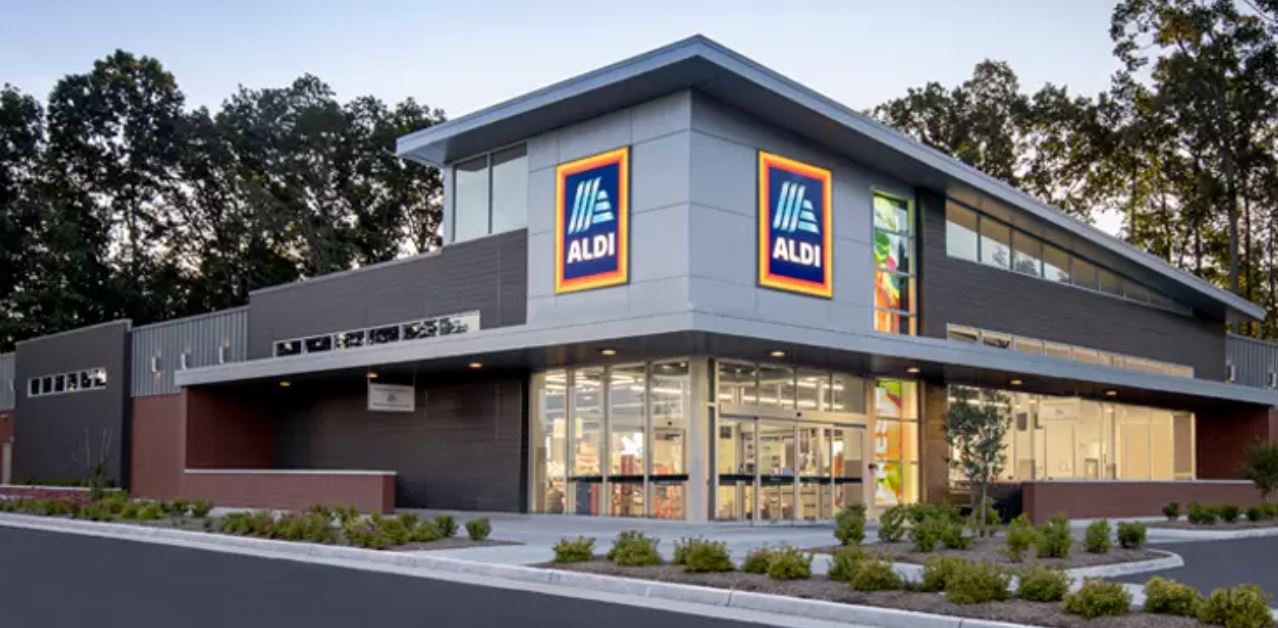
Aldi U.S., the American arm of the German-origin discount supermarket, has made a significant appeal to its suppliers. During its first U.S. supplier summit on Monday, the company set forth a series of directives aimed at cutting costs, boosting production, especially of in-demand items like cheese, and moving operations closer to store locations.
MSN noted that this push is not just about streamlining operations but also strongly emphasizes sustainability, a key consumer priority in today's market.
Focus on Efficiency and Expansion
Aldi's initiative seeks to ensure the on-time delivery of complete product orders, a critical aspect of customer satisfaction and store efficiency. Suppliers are encouraged to upscale their production capabilities in the North and Southeast regions, which are currently the theater of Aldi's significant expansion efforts.
In a bold reciprocal move, Aldi has vowed to support its suppliers through the facilitation of more production lines, securing longer-term supply contracts, and collaborative business development, signaling a deep investment in mutual growth and success.
Competitive Landscape and Private Label Dominance
With over 90% of its products being private-label, Aldi operates in a fiercely competitive environment, particularly against rivals who are also expanding their own private-label offerings. The shift of American consumers towards more affordable private-label products amid inflation pressures underscores the critical timing of Aldi's strategy.
This comes as competitors like Walmart and Target introduce and expand their private-label food lines, positioning themselves aggressively in pricing and variety.
Commitment to Suppliers and Future Plans
Aldi's leadership, including Joan Kavanaugh and Scott Patton, articulated a clear message of partnership and ambition to their suppliers, highlighting the paramount importance of reducing costs to stay competitive. Aldi's aggressive expansion strategy includes adding 800 stores by the end of 2028, primarily in the Northern and Southeastern U.S., leveraging its recent acquisition of Southeastern Grocers.
According to Reuters, this expansion is key to increasing its market penetration, which already showcases impressive figures compared to rivals, according to Numerator's data for the first quarter of 2024.
The Road Ahead
In conclusion, Aldi's strategic push towards operational efficiency, sustainability, and expansion, supported by a strong partnership with its suppliers, sets the stage for its next growth phase in the U.S. market.
The company's emphasis on affordability, quality, and sustainability aims to sharpen its competitive edge, catering to a consumer base that increasingly values these attributes.
Photo: Aldi Website