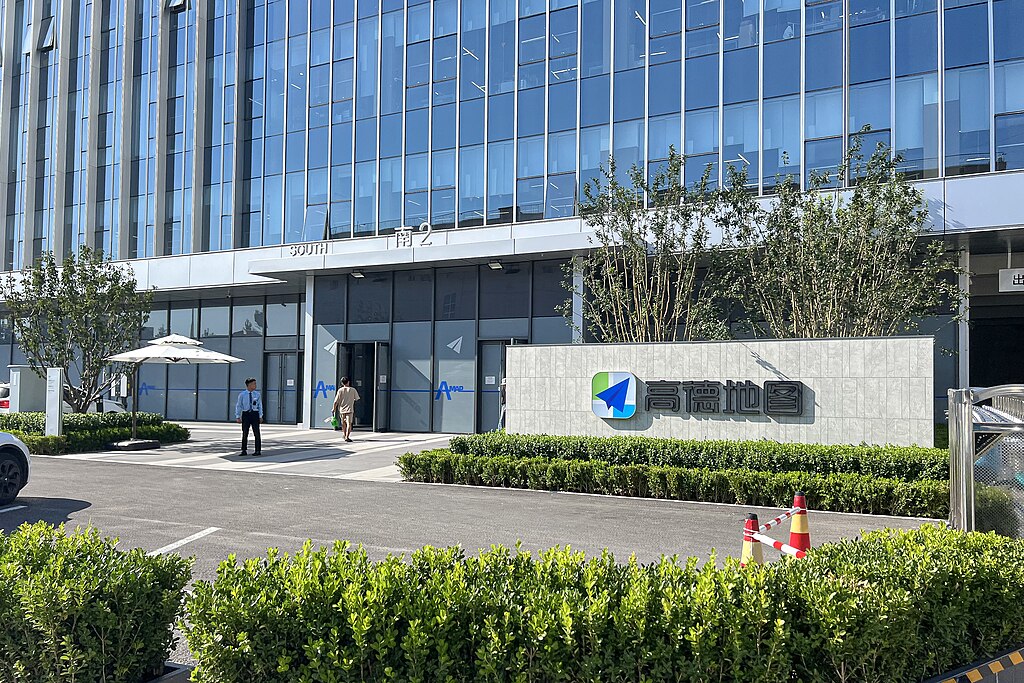
Alibaba’s mapping app Amap is expanding beyond traditional navigation to compete directly with Meituan in China’s local lifestyle services. The company has launched a new feature called Street Stars, an AI-driven ranking system for restaurants, hotels, and tourist destinations. With 170 million daily active users, Amap aims to transform into a comprehensive consumption platform and lifestyle gateway.
To boost adoption, Alibaba is offering 1 billion yuan ($140 million) in subsidies, giving users coupons for ride-hailing and in-store services. The rollout will initially span 300 cities and cover 1.6 million local business listings, intensifying competition in China’s already fierce instant retail market.
Meituan’s Dazhong Dianping has long dominated local recommendations and bookings, but Alibaba is betting on AI to attract consumers seeking convenience and deals. On a recent earnings call, Alibaba CEO Eddie Wu highlighted the platform’s AI transformation, positioning Amap as a key driver of future lifestyle services.
This aggressive push comes as Alibaba and Meituan battle for market share in one-hour delivery and lifestyle services, offering heavy discounts and subsidies to win over consumers. However, the strategy has raised concerns among regulators, who are wary of unsustainable price wars that could harm China’s fragile economy. Weak property prices, job instability, and sluggish consumer sentiment have already pressured companies to compete on cost, prompting authorities to warn against a “race to the bottom.”
With its AI-powered Street Stars rankings and vast subsidies, Amap is positioning itself as a powerful rival to Meituan. Yet, the success of this bold expansion may depend not only on consumer adoption but also on how Chinese regulators respond to escalating competition in the lifestyle services sector.