


 SK Biopharmaceuticals Secures Global Rights to Biohaven Epilepsy Drug Opakalim
  Novartis Shares Plunge After Muscle Drug Fails Phase III Trial
  UK Warned Over Growing Reliance on US Cloud Providers
  Venezuela Earthquake Health Risks Rise as Disease Monitoring Intensifies
  Robinhood Launches AI Agents for Automated Trading
  AstraZeneca, Bristol Myers Squibb Explore Mega Merger Worth Nearly $400 Billion
  U.S. Issues Cuba Health Alert as Illnesses Rise
  DeepSeek, Huawei Partner on Ascend AI Chip Programming Tools
  Zcash Prepares for NU7 Upgrade as Zebra Gets Key Security Fixes
  AI Agents Could Disrupt Financial Services, Bernstein Says
  US-Backed Pediatric HIV Treatment Drops After Foreign Aid Changes, Study Finds
  Moderna Short Sellers Hit With $4.8 Billion Loss as Stock Soars
  GLP-1 Weight-Loss Drug Use Surges Among U.S. Children
  Nvidia-Backed Reflection AI Launches Beam Open-Weight Model
  Anthropic Targets $2 Trillion Valuation in Planned IPO
  Moderna Wins FDA Approval for mFLUSIVA mRNA Flu Vaccine for Adults 50+


 Add as a preferred source on Google
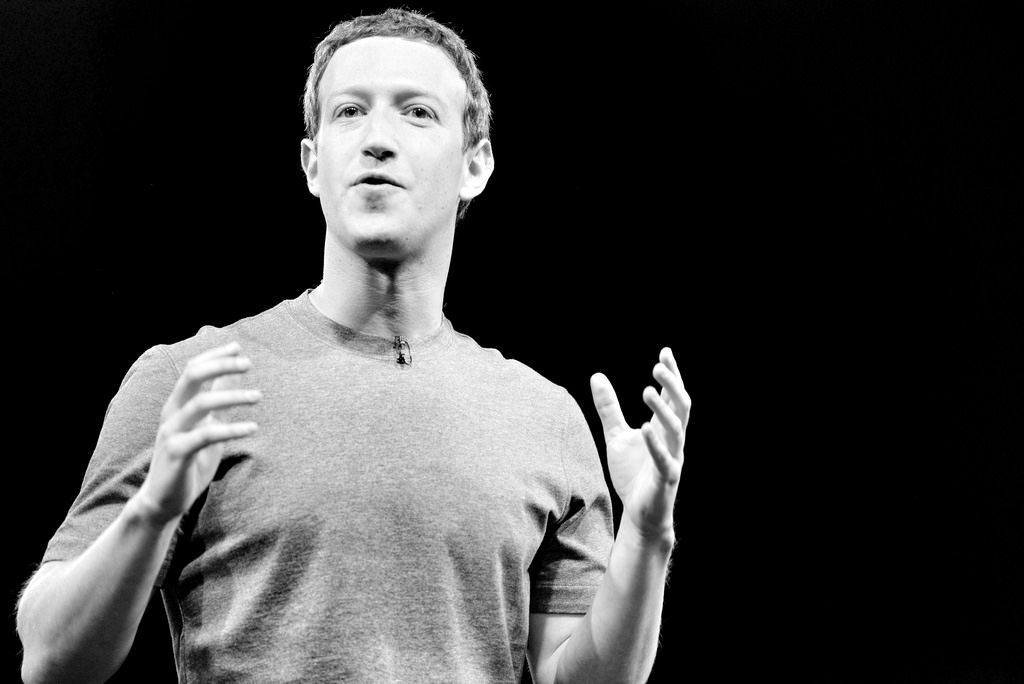
Mark Zuckerberg and wife Dr. Priscilla Chan recently announced a $3 billion initiative geared towards curing most of the world’s diseases called the Biohub. Through the Chan Zuckerberg Initiative, the couple managed to draw support from other billionaires and ordinary people alike in terms of funding and cooperation. Recently, the Facebook founder released a post detailing how a meeting with top scientists gave him hope that most, if not all of the world’s diseases will be gone by 2115.
The scientists in question are at the top of their fields with regards to dealing with illnesses and they come from multiple origins, including Stanford University and UC Berkeley. Heading the team is Dr. Cori Bargmann, who is a Rockefeller neuroscientist, Futurism reports.
Even with excellent brains behind the operation, the goal of eradicating even just a majority of the known diseases plaguing the world is a monumental undertaking. Much of the challenges has to do with research, which is a costly and time-consuming affair. The Biohub will take on a lot of the weight of the problems that usually prevent scientists from making swift progress, but even then, many would consider the 100-year timeline to be overly ambitious.
Zuckerberg and the team of scientists don’t seem to think so, however, and they point to the advancements that humanity has achieved in the last few decades in extending human lifespan. Global Futurist also notes how the initiative has already addressed one of the hurdles of getting to the point that they are aiming for; coordination.
There’s also the matter of the most recent innovations in medical and bioresearch to consider, which gives the lofty goals of a disease-free world a boost. There’s the new gene-editing tool called CRISPR, which is basically a starter kit for playing God. Then there’s the project called Cell Atlas, which aims to map all of the human body’s cells to address diseases that begin at the cellular level.







