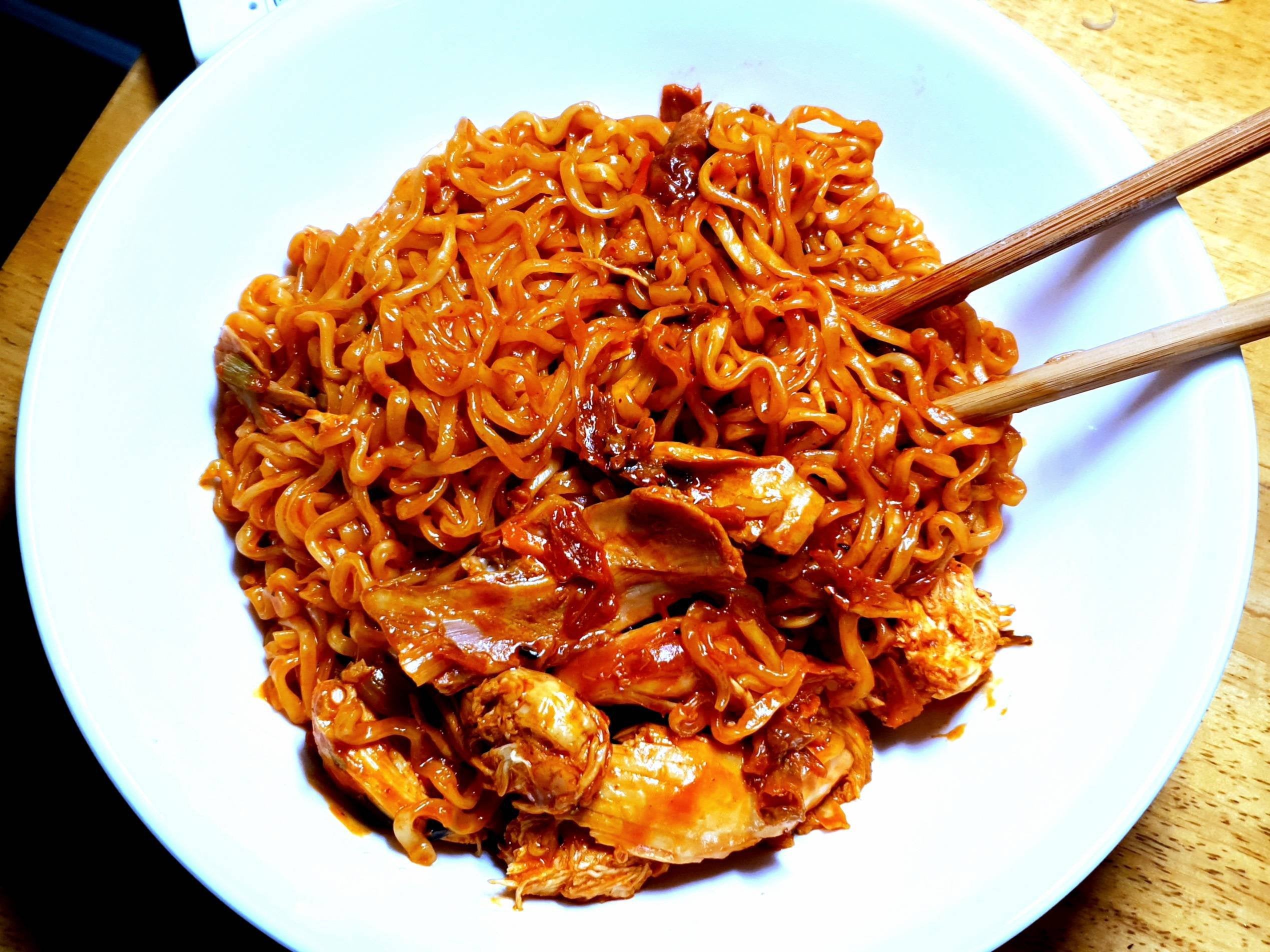
Japan’s young generation is increasingly preferring the authentic ‘Korean’ taste to lead the demand for Korean food in the country.
Despite Japan’s overall distaste for spicy flavors, the country’s MZ generation, born between the 1980s and early 2000s, prefers the spicy ‘Korean’ taste,
According to the Korea Agro-Fisheries and Food Trade Corp., Japan’s MZ generation is leading the higher demand for “Buldak Bokkeummyeon,” a popular hot chicken-flavor type of instant noodles, bibimmyeon, and other kinds of spicy noodles.
As of October, South Korea’s noodle exports to Japan amounted to US$75 million, up by 35 percent from last year. Demand for Korean sauces from |Japan also jumped 31 percent from last year to reach $26 million as of October.


Time to buy local: war fuel price shocks reveal the folly of a long food supply chain
Bessent: Global Oil Market Well Supplied as U.S. Eyes Hormuz Navigation Control
South Korea's $17.3 Billion Emergency Budget Targets Oil Price Surge
Nomura Upgrades PDD Holdings to Buy, Calls Stock Too Cheap to Ignore
Why financial hardship is more likely if you’re disabled or sick
U.S. Stock Futures Surge After WSJ Report on Trump's Iran War Exit Strategy
South Korea's Exports Hit Record High in March on AI-Driven Chip Demand
Bank of Korea Nominee Shin Hyun-song Calls for Flexible Monetary Policy Amid Iran War Risks
SMIC Allegedly Supplies Chipmaking Tools to Iran's Military, U.S. Officials Warn
Japan Business Sentiment Rises as Iran War Fuels Inflation Fears, BOJ Rate Hike Looms
Unilever and Magnum Face Defamation Lawsuit Over Ben & Jerry's Board Chair Dismissal
Microsoft Eyes $7B Texas Energy Deal to Power AI Data Centers
Russell 1000 Companies Hit $2.2T Cash Record While Aggressively Reinvesting in Growth
AI is driving down the price of knowledge – universities have to rethink what they offer 


