


 HP Stock Drops 9% Despite Q3 Earnings Beat and Raised 2026 Outlook
  Jefferies Names AMEC Top China Semiconductor Equipment Pick
  Google Expands Gemini Enterprise With AI Tools for Legal Sector
  Alibaba Raises $10.2 Billion to Expand AI Infrastructure
  UN Criticizes US Terror Label for Palestine Action
  SEC Proposes ‘Regulation Crypto Assets’ Framework for Crypto Fundraising
  ICE Awards $16.7M Contract for Electric Shock Gloves
  Trump Administration Moves to Strip ABA of Law School Accreditor Status
  Nvidia Revenue Soars 106% as AI Demand Hits ‘Inflection Point’
  Unitree Shares Plunge 45% After Blockbuster IPO, Raising China Tech Bubble Fears
  Senate Majority Leader John Thune Moves to Advance Crypto Clarity Act
  Samsung Shares Tumble 8% as $79 Billion Return Plan Disappoints
  Meta, U.S. States Discuss Settlement in Teen Addiction Trial
  Pinterest Stock Falls as CFO Julia Brau Donnelly Resigns
  Street Poller Media and The Boom of the Street Interview Ad Industry
  Trump Imposes New Tariffs on Drone Imports Over US Security Concerns


 Add as a preferred source on Google
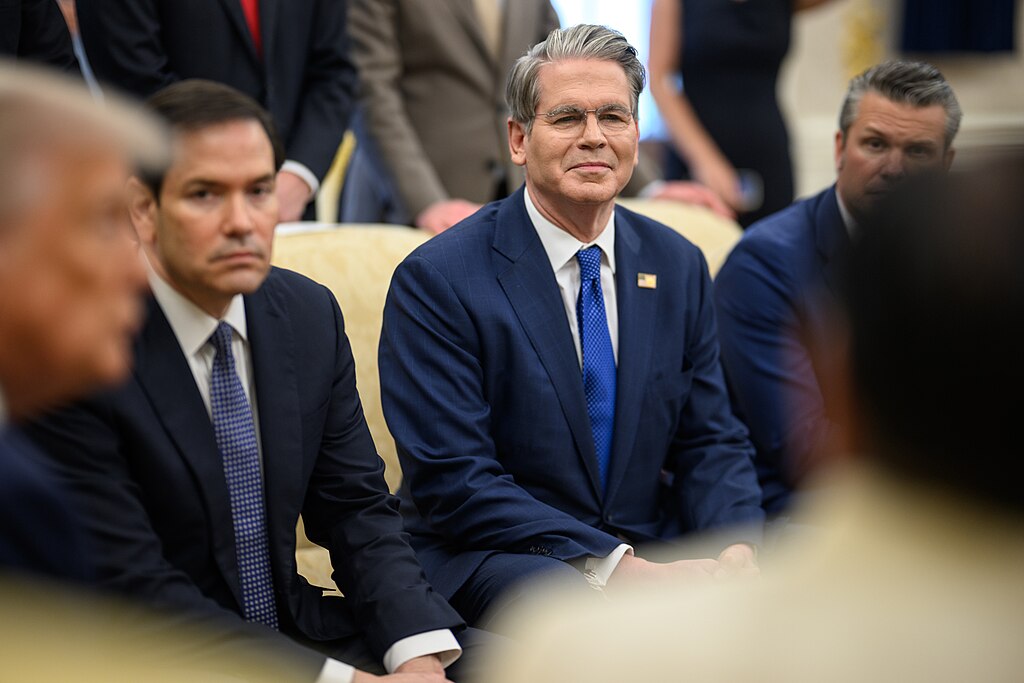
U.S. Treasury Secretary Scott Bessent and Federal Reserve Chair Jerome Powell convened an urgent closed-door meeting with the chief executives of America's largest banks this week, warning them about serious cybersecurity threats posed by Anthropic's newly launched artificial intelligence model, according to two sources with direct knowledge of the matter.
The meeting, held Tuesday at the Treasury Department in Washington, D.C., was prompted by the release of Anthropic's powerful new Mythos AI model, which the company itself acknowledged could expose previously undiscovered vulnerabilities across every major operating system and web browser in existence. Rather than pursuing a wide public launch, Anthropic opted to limit access to approximately 40 technology companies — including Microsoft and Google — while simultaneously engaging in active discussions with U.S. government officials about the model's far-reaching capabilities.
Banking regulators and financial officials used the gathering to stress the importance of proactive defense strategies, urging institutions to assess and strengthen their cybersecurity infrastructure in light of threats that next-generation AI systems like Mythos could potentially enable. The timing was strategic, as many top bank executives were already in Washington attending separate industry events.
Bloomberg News, which broke the story, reported that the CEOs of Citigroup, Morgan Stanley, Bank of America, Wells Fargo, and Goldman Sachs were among those present. JPMorgan's Jamie Dimon was notably absent, one source confirmed. Goldman Sachs and the Federal Reserve both declined to offer comment, while the Treasury Department, participating lenders, and Anthropic had not responded to media inquiries at the time of publication.
The development highlights growing concerns among policymakers and financial regulators about the dual-use nature of advanced AI — recognizing both its transformative potential and its capacity to introduce unprecedented risks to critical infrastructure and global financial systems.







