


 DogecoinVM Makes DOGE Transactions 300x Faster
  RBI Raises Repo Rate to 5.50% in Hawkish Shift on Inflation Risks
  Anthropic Expands Claude Access for Cyber Defense Teams
  AstraZeneca, Bristol Myers Squibb Explore Mega Merger Worth Nearly $400 Billion
  US-Backed Pediatric HIV Treatment Drops After Foreign Aid Changes, Study Finds
  World Bank Raises South Asia Growth Forecast to 6.9%
  Nvidia-Backed Reflection AI Launches Beam Open-Weight Model
  U.S. Issues Cuba Health Alert as Illnesses Rise
  Gold Prices Slip as Strong Dollar and High Treasury Yields Weigh
  JPMorgan CEO Jamie Dimon Warns Mythos AI Raises Cyber Risk Tenfold
  Asian Stocks Rise as Nasdaq Record Offsets Bond Yield Pressure
  FDA Investigates New Cyclospora Outbreak as U.S. Cases Continue to Rise
  LG Electronics Shares Slide as Q3 Profit Misses Estimates
  Kalshi Withdraws PEPE Perpetual Futures Filing
  GSK Unveils $2.52 Billion Cost-Cutting Plan to Accelerate Drug Pipeline
  Samsung, SK Hynix Shares Fall Ahead of Q3 Earnings


 Add as a preferred source on Google
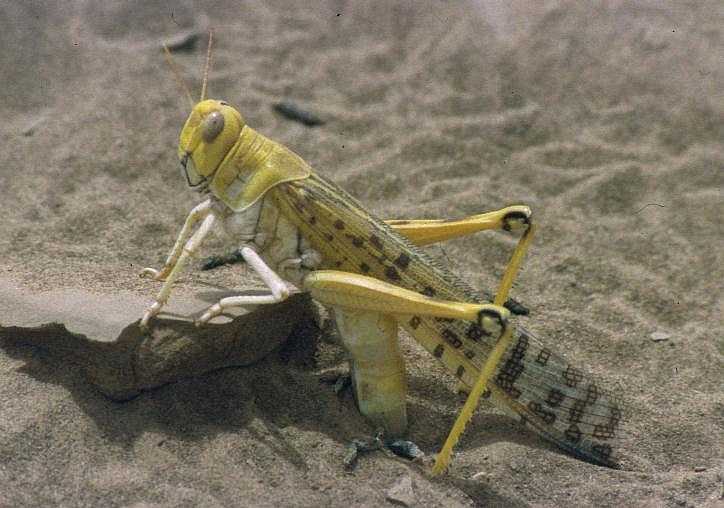
A research team at Osaka University’s Institute of Laser Engineering has created a blue laser diode gun that could target and lock on to insects’ weak spots before firing a precision beam.
Led by Professors Hiroshi Fuji and Kazuhisa Yamamoto, the team first determined the spots of the insects such as the moth, desert locusts, and tobacco cutworm is most vulnerable to a laser blast.
This laser gun could become a game-changer as the tobacco cutworm is notoriously resistant to pesticides.
Using this technology, the concern of insects becoming resistant to pesticides would no longer exist, and the damage such chemicals cause to other wildlife and the environment would also be eliminated.
Also, with the efficient termination of pests near agricultural areas worldwide, an estimated US$200 billion in agricultural products could be saved, preventing food shortages.







